
Japan’s currency and interest-rate debate is heating up again after a former foreign-exchange (FX) chief warned that rate hikes may be necessary to keep markets stable. His comments come at a time when the Japanese yen remains under pressure and global investors are closely watching the Bank of Japan’s next move. According to reports, he believes that relying only on foreign-exchange intervention creates short-term relief but doesn’t solve deeper structural problems in the market.
The former currency diplomat explained that intervention works like a temporary shock to markets — it can slow down sharp moves in the yen, but without stronger monetary policy support the impact fades quickly. Investors ultimately respond to interest-rate differences and long-term economic signals rather than sudden government actions. Because Japan’s rates remain relatively low compared with other major economies, global capital often flows elsewhere, weakening the yen and increasing volatility.
A major concern behind these comments is the wide interest-rate gap between Japan and countries such as the United States. While many central banks aggressively tightened policy to fight inflation, Japan moved slowly and maintained a cautious approach. This gap has encouraged carry trades, where investors borrow cheaply in yen and invest in higher-yielding assets abroad. Over time, this trend pushes the currency lower and makes market movements more unstable. Supporters of tighter policy argue that moderate rate hikes could narrow this gap and reduce pressure on the yen.
The Bank of Japan faces a complex dilemma. Inflation has stayed above its long-term target, and wage growth is gradually improving, which could justify higher interest rates. However, policymakers remain cautious because Japan’s economy has struggled with slow growth and deflation risks for decades. Moving too quickly could harm businesses and consumers who are used to very low borrowing costs. That’s why officials continue to emphasize gradual adjustments instead of aggressive tightening, even as market voices call for stronger action.
Supporters of rate hikes believe that clearer policy direction would strengthen investor confidence. Higher rates could attract capital back into Japanese markets, helping stabilize the currency and reduce extreme fluctuations. Some analysts also argue that aligning Japan’s policy more closely with global trends would make financial markets more predictable, limiting the need for repeated government interventions. The former FX chief’s comments reflect a broader debate about whether Japan should rely less on direct currency actions and more on structural monetary changes.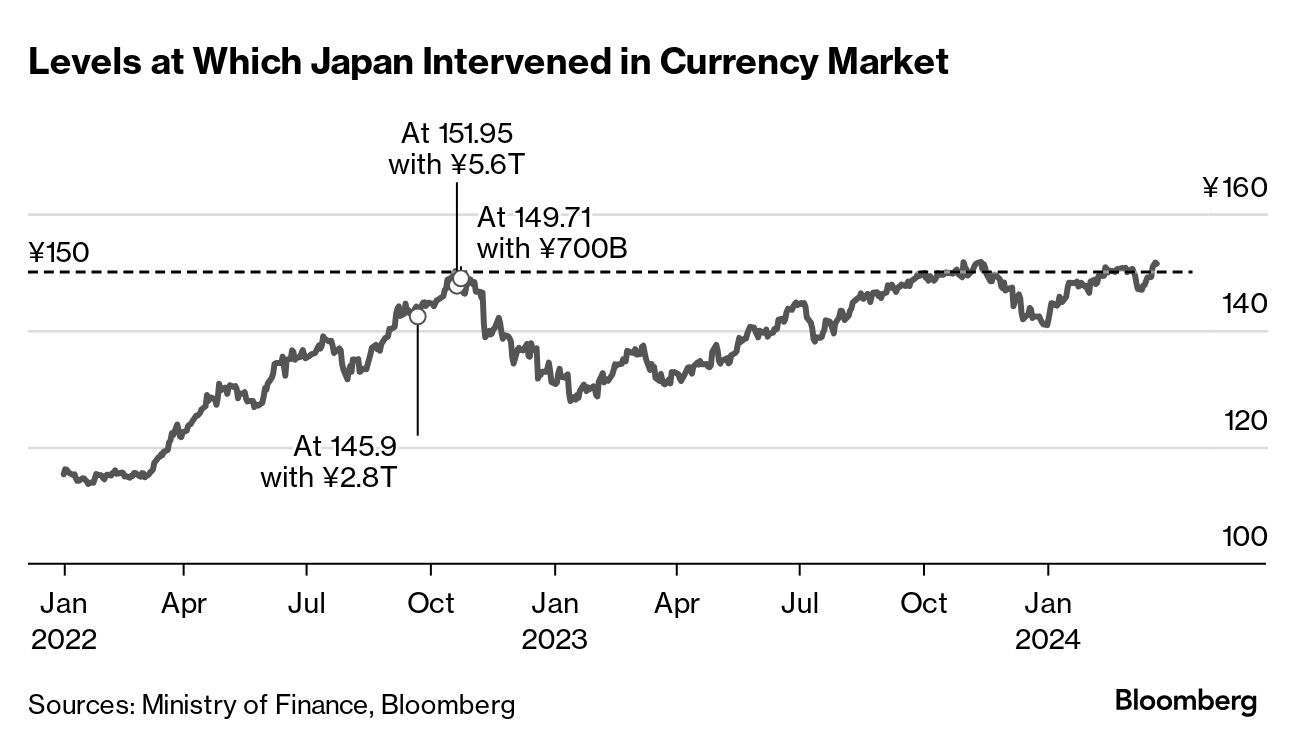
Global investors are paying close attention because Japan plays a major role in international finance. Japanese funds are heavily invested in foreign bonds and equities, and even small changes in domestic interest rates can ripple across global markets. If Japan moves toward steady rate hikes, the yen could strengthen, bond yields might shift, and risk assets worldwide could experience new volatility as long-standing trading strategies adjust.
For now, markets expect gradual rather than aggressive tightening. Policymakers have signaled that future decisions will depend heavily on wage growth and whether inflation remains stable. Still, the former FX chief’s warning highlights growing pressure on the Bank of Japan to move beyond short-term fixes and adopt policies that provide lasting market stability. As the debate continues, Japan’s next monetary steps could influence not only its own economy but also the direction of global currency and financial markets.