
The idea of creative tokenomics first made sense to me during a quiet evening conversation with a friend.We were sitting in a café, laptops open, scrolling through different blockchain projects. The crypto world had always been full of innovation, but many token systems still followed the same patterns buy, trade, pay fees, repeat.
“Most token models feel predictable now,” I said.
My friend smiled and replied, “That’s exactly why the Midnight Network is interesting.”
I leaned forward.
“What makes it different?”
When Tokens Become Resources
My friend turned the laptop screen toward me and pointed to a diagram explaining Midnight’s economic design.
“Midnight isn’t just thinking about tokens as currency,” my friend explained. “It’s thinking about them as generators of resources.”
That idea sounded unusual.
In many blockchains, tokens are simply used to pay for transactions or participate in governance. But Midnight’s approach introduces something more creative: tokens that can produce network resources over time.
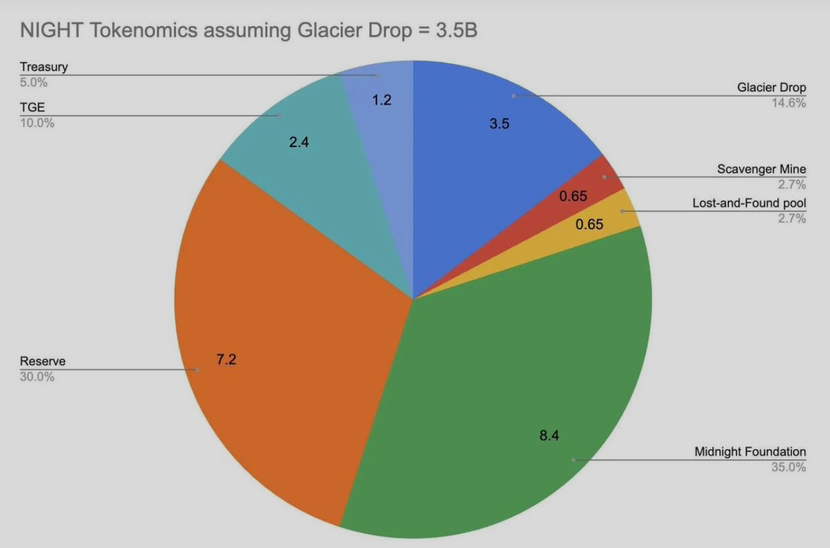
“Imagine owning a generator,” my friend said. “Instead of constantly spending tokens, the system creates resources that power network activity.”
Suddenly the idea of creative tokenomics felt less abstract and more practical.It wasn’t just about trading tokens it was about designing an ecosystem where resources, incentives, and participation work together.
A Different Way to Think About Blockchain Economies
A few days later, I met another friend who had been researching blockchain infrastructure.When I mentioned Midnight’s tokenomics, the conversation immediately became more animated.
“Most token economies focus on supply and demand,” my friend explained. “But Midnight is experimenting with how tokens can power network functionality in smarter ways.”
That’s when the phrase creative tokenomics really clicked for me.
Instead of a simple pay-per-use model, the network explores ways to make participation feel more sustainable and predictable.
It’s not just about holding tokens.
It’s about how those tokens contribute to the ecosystem itself.
Designing Incentives for a New Web3
Later that week, during another discussion with friends interested in blockchain development, the topic came up again.
One friend summarized the idea perfectly.
“Tokenomics isn’t just economics,” my friend said. “It’s behavior design.”
That statement stayed with me.
Because every blockchain ecosystem depends on people developers, validators, users, and builders. The way incentives are designed shapes how these participants behave and how the network grows.
Midnight’s approach seems to focus on building an environment where incentives encourage participation while maintaining long-term sustainability.It’s a reminder that blockchain networks aren’t just technical systems.
They’re economic and social systems built into code.
The Bigger Picture
As I walked home that evening, I kept thinking about those conversations.The idea of creative tokenomics isn’t simply about inventing new tokens.It’s about reimagining how digital economies can function.
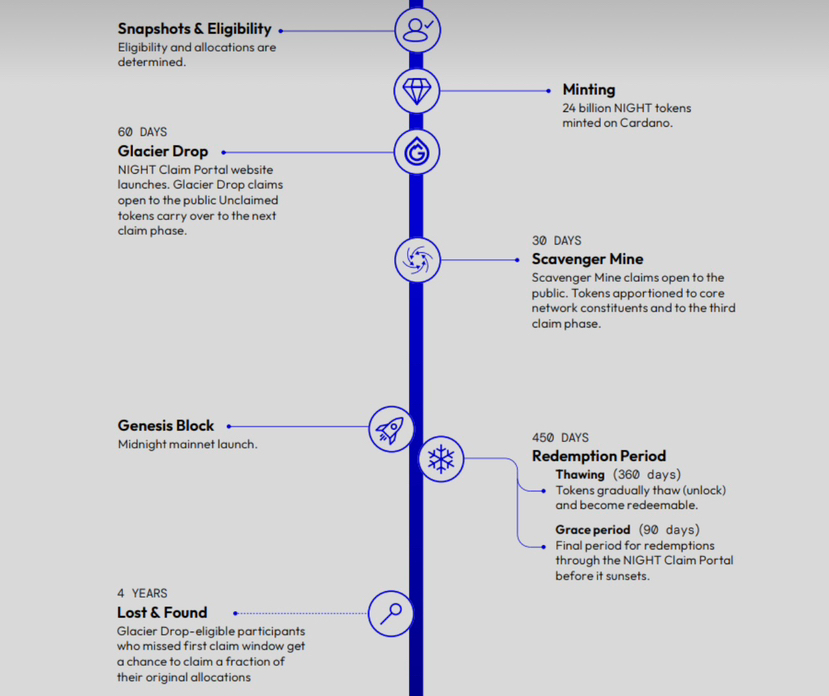
The Midnight Network appears to be experimenting with that idea exploring how tokens, incentives, and resources can combine to create a more balanced blockchain ecosystem.
And maybe that’s the real story here.Innovation in blockchain doesn’t always come from faster speeds or bigger numbers.Sometimes it comes from rethinking the rules of the system itself.And in the case of Midnight, creative tokenomics might just be one of those ideas shaping the next chapter of Web3.
