I have been deep in the robo-crypto space for a while now, watching tokens come and go, but something clicked when I dug into the Fabric Foundation. As someone who’s put skin in the game staking, following the builds, feeling the pulse this feels like one of those quiet breakthroughs that could reshape everything. We’re talking about Fabric versus the traditional robotics giants, and why this open, blockchain-powered alternative might just be the underdog we need in the era of general-purpose AI.
Think about it: the big players let’s say the likes of Tesla with Optimus, Figure AI, Boston Dynamics, or even industrial behemoths like ABB and Fanuc build incredible hardware and embed proprietary AI brains. But it’s all walled gardens. Each robot is a siloed island: its “identity” is a serial number in a corporate database, payments flow through centralized accounts, coordination happens via closed APIs. Want your robot to freelance? Negotiate with the manufacturer. Want to upgrade its skills from community data? 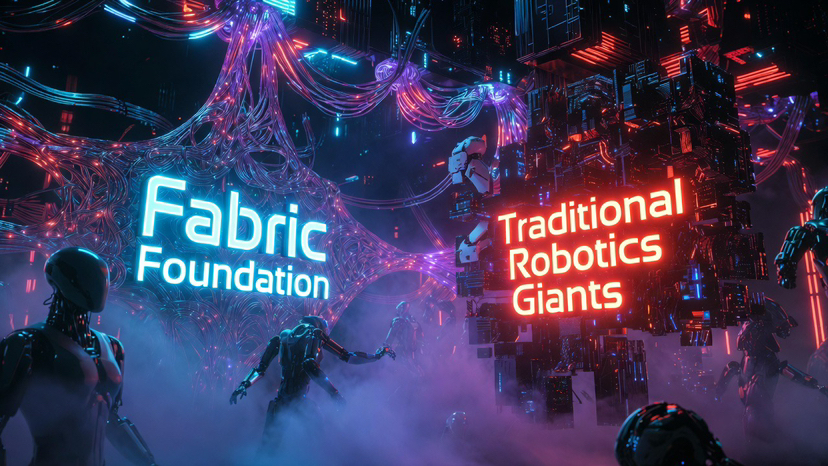
Good luck getting approval.
It’s like the pre smartphone era of feature phones powerful, but locked down.
Now enter Fabric Foundation. They are not trying to build another humanoid from scratch. Instead, they’re constructing the open economic layer the “nervous system” for the entire robot economy. Through their protocol (and the ROBO token), robots get on-chain identities, programmable wallets, and verifiable actions on blockchain. Any robot from UBTech walkers to AgiBot arms to Fourier humanoids can plug into this network via integrations like the OM1 OS. Suddenly, machines aren’t just tools; they are autonomous economic participants. They earn, spend, stake, and govern.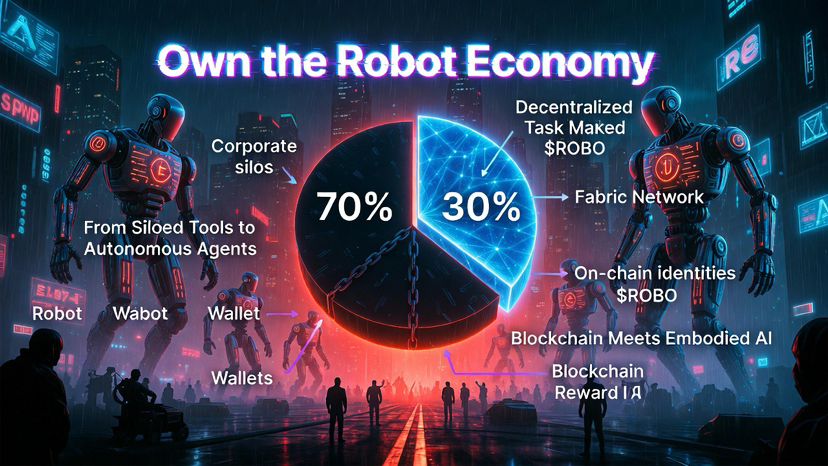
Why does this matter so much right now?
Because we are barreling toward general purpose AI embodied in physical forms. Foundation models are leaping from chat to action vision language action models let robots understand instructions, see the world, and move fluidly. But without open infrastructure, the giants capture it all: data moats, compute control, profit extraction. Fabric flips the script. It’s like Android versus iOS, but for robots. Open source, decentralized, community driven. No single company owns the keys to the robot economy.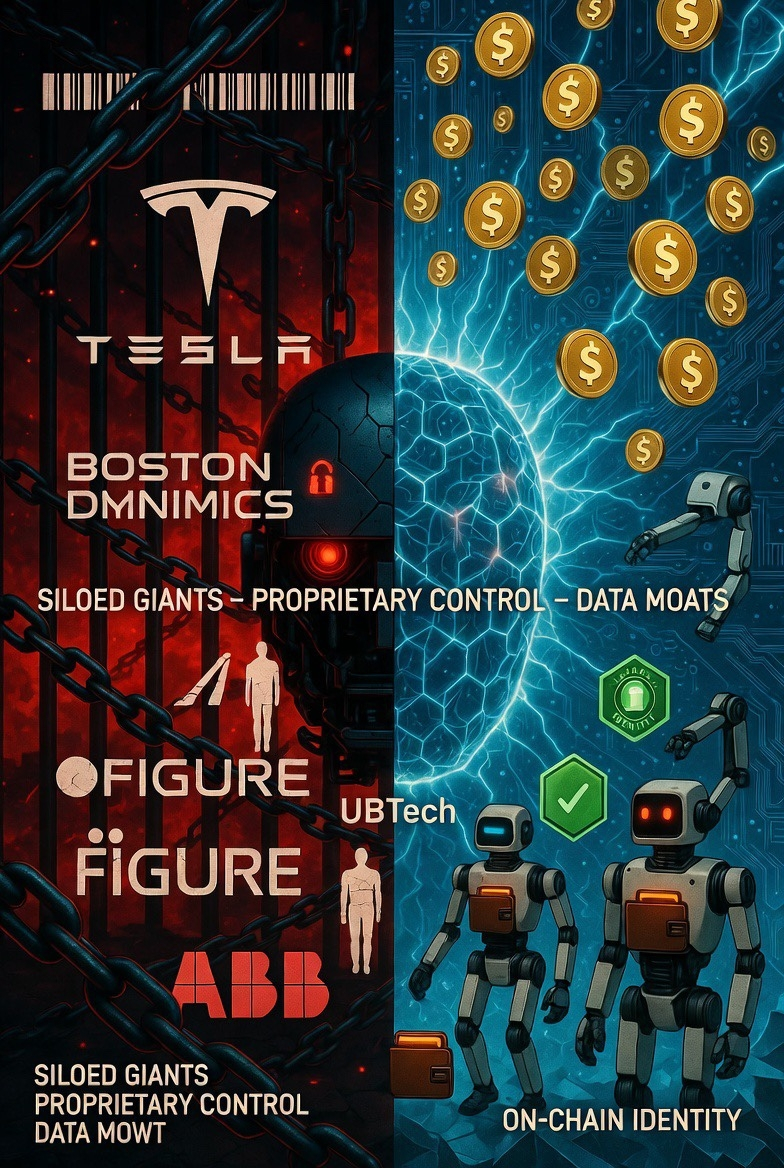
Picture the vivid real world shifts this unlocks:
A small warehouse in Doha (hey, right here in Qatar) deploys a fleet of cheap, general-purpose arms. Instead of one vendor lock-in, they tap the Fabric network: robots bid on tasks via smart contracts, pay for charging stations or edge compute in ROBO, and share learned behaviors on-chain. Efficiency skyrockets; no middleman skims 30%.
Delivery bots in urban streets become true freelancers. Your neighborhood courier bot finishes a drop, spots a high-demand cleaning gig nearby, accepts it autonomously, pays a micro-fee for priority routing data, and pockets the earnings all verifiable, trustless, no human overseer needed.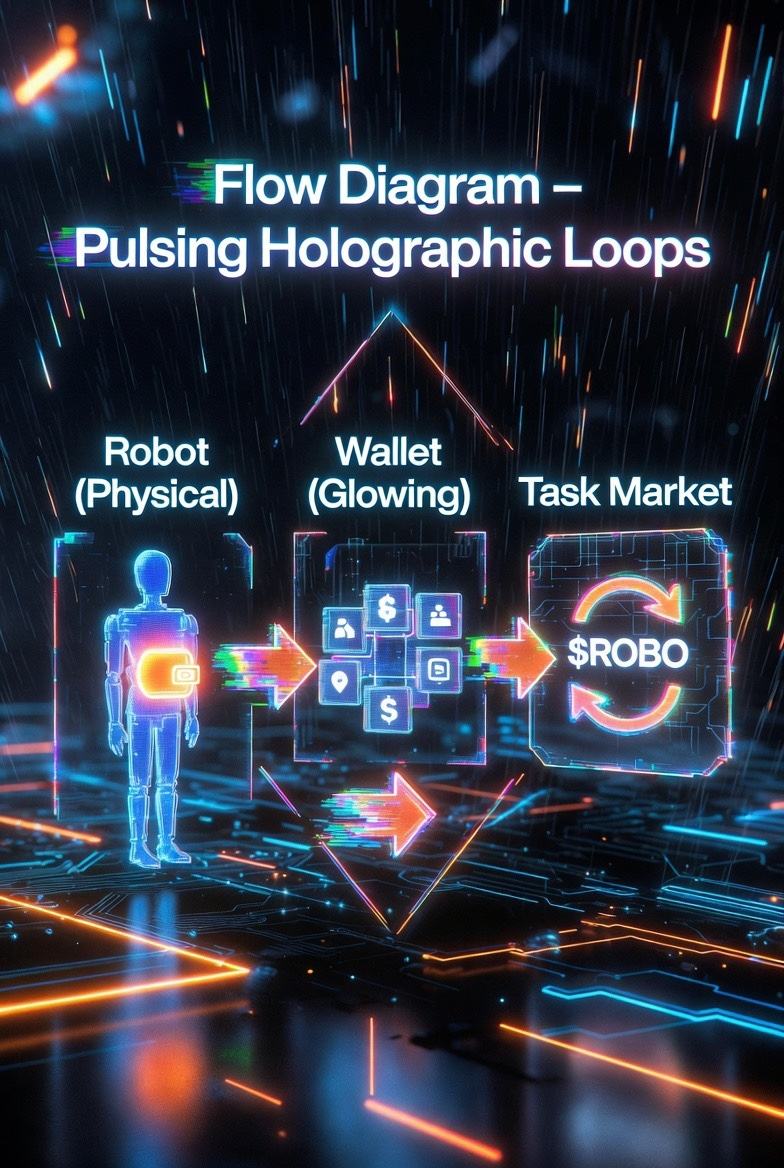
In elder care, a home humanoid from one maker collaborates with sensors from another. They coordinate via Fabric: the robot verifies its identity on-chain, settles payments for shared compute when learning new patient routines, and even stakes ROBO for better task priority during peak hours. Families pay directly to the bot’s wallet; transparency kills hidden fees.
Crowdsourced innovation explodes. A developer in a garage trains a new grasping skill on open data, contributes it to the network, earns ROBO rewards. Robots worldwide upgrade instantly. No waiting for corporate patches.
This isn’t hype it’s the logical next step. Blockchain already gave us decentralized money; now it’s giving machines decentralized agency. In a world where AI agents multiply and physical labor shortages bite harder, an open alternative prevents monopoly chokeholds. The giants will innovate fast, sure but Fabric ensures the pie grows for everyone: builders, operators, even the robots themselves.
I am excited, not blindly bullish. Risks exist adoption hurdles, regulatory gray zones, scaling an L1 for robot txns. But as an observer (and modest investor) in this intersection, I see Fabric as the thoughtful counterweight we need. The robot economy is coming. The question isn’t if machines will participate it’s who owns the rules. 
Fabric is betting on open, verifiable, and shared.
And honestly?
That feels right.