The reason Fabric caught my attention is not because it says “AI” or “robots.” Everyone says that now. What makes it different is that it’s thinking about something most people are ignoring: if machines are going to work in the real world, how do they actually exist inside the economy?
Right now, robots and AI systems are powerful, but they’re still just tools owned by companies. A delivery robot can move packages. An AI system can analyze data. But neither of them can own anything, earn money directly, build a track record, or prove what work they did without a central company managing everything behind the scenes.
That model works today. But what happens when millions of autonomous systems are operating globally?
Fabric is trying to build the base layer for that future.
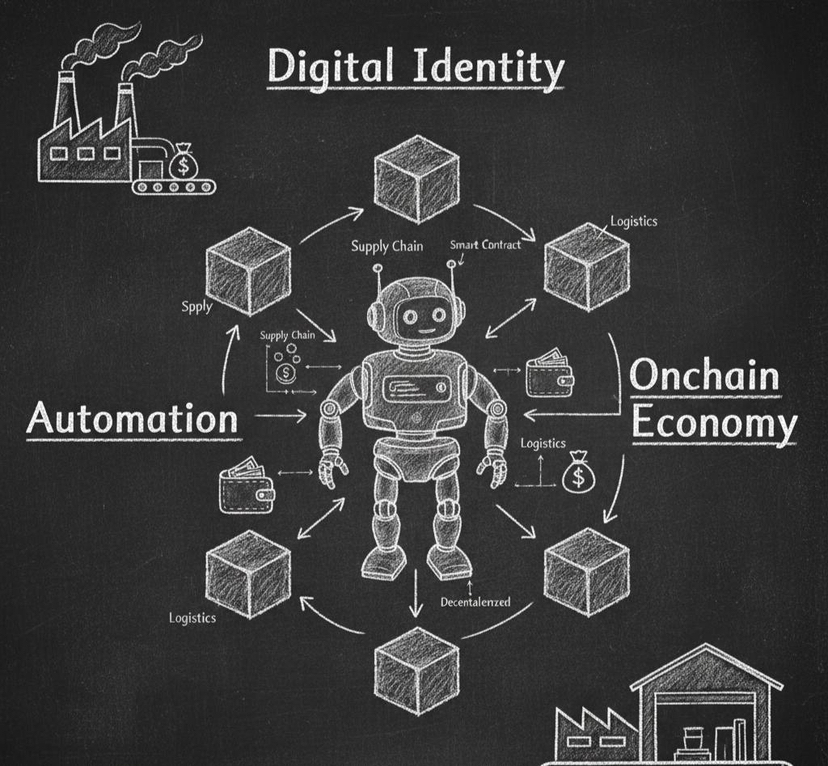
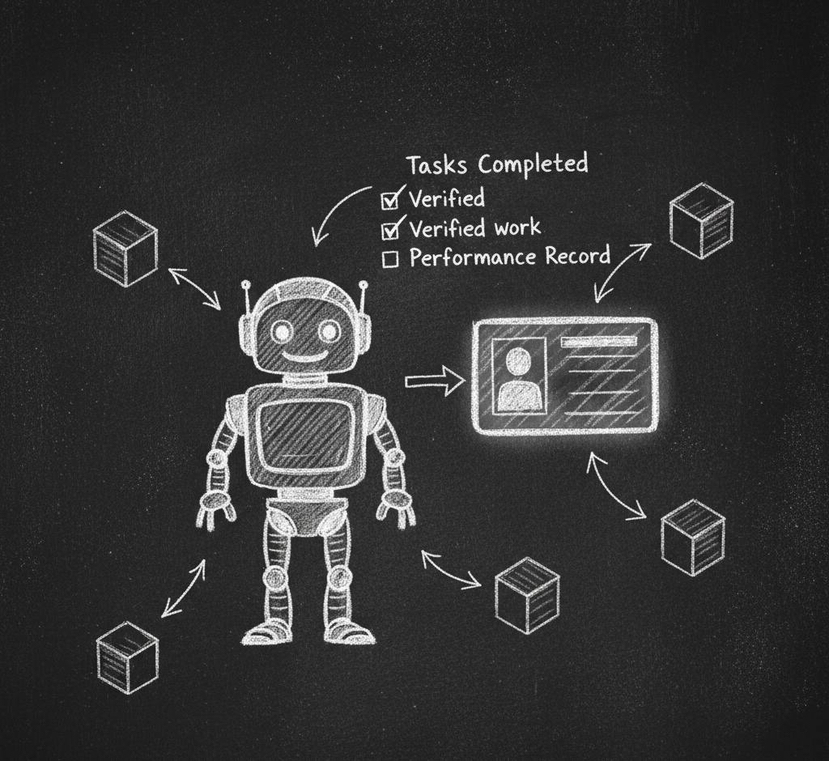
The core idea is simple: give machines a digital identity onchain. That identity can track what tasks they complete, what data they produce, and how well they perform. Once you can verify work, you can automate payment. Once you can automate payment, you create an economy.
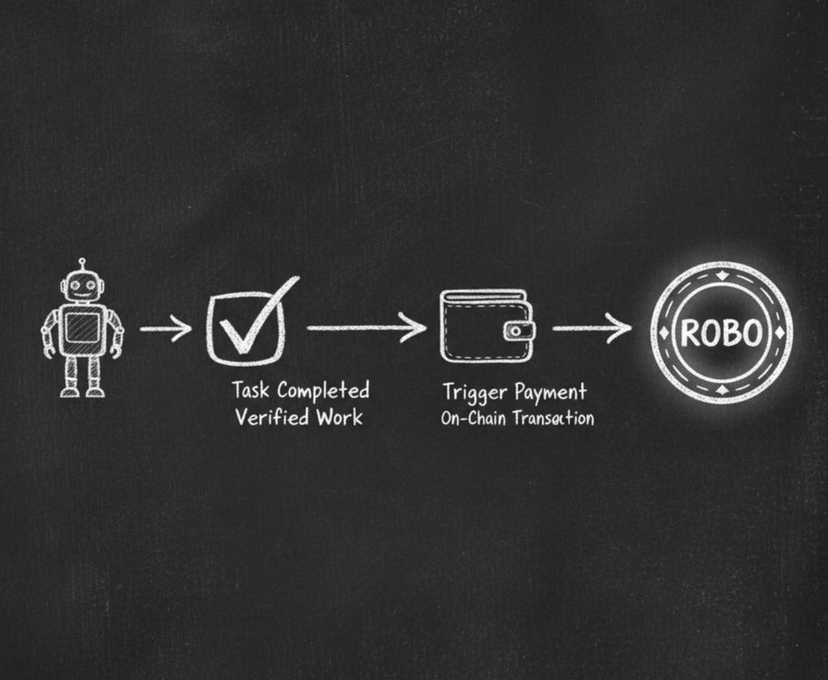
Think about it like this. Instead of a robot being just hardware sitting in a warehouse owned by one company, it becomes a participant in a shared network. It completes tasks. The results are verified. Payment is triggered automatically. Everything is recorded transparently.
Humans still build, maintain, and supervise these systems. But coordination no longer depends entirely on one centralized operator.
That’s where $ROBO fits in.
ROBO isn’t just meant for speculation. Inside the network, it works as fuel. It’s used to pay for transactions, secure participation, coordinate activity, and govern the protocol. If someone builds tools for robot identity, they earn ROBO. If validators verify machine activity, they earn ROBO. If developers expand the ecosystem, they stake and use ROBO.
It’s designed as the economic glue holding the system together.
What makes this interesting to me is timing. AI is slowly moving from pure software into physical automation. Warehouses, logistics, security systems, industrial robots — these aren’t future concepts anymore. They’re active. But there is no open financial layer designed specifically for machines.
Banks weren’t built for robots. Payment networks weren’t built for autonomous agents. Labor systems weren’t designed for non-human actors.
Fabric is trying to build infrastructure before this becomes chaotic.
Now, I’m realistic. Big vision doesn’t equal success. Execution matters. Governance matters. Adoption matters. Plenty of ambitious crypto projects have failed because they couldn’t move from theory to real usage.
But the difference here is that the problem they’re targeting feels inevitable. Automation is not slowing down. If machines start generating economic value directly, someone needs to design how that value moves, how trust is established, and how oversight works.
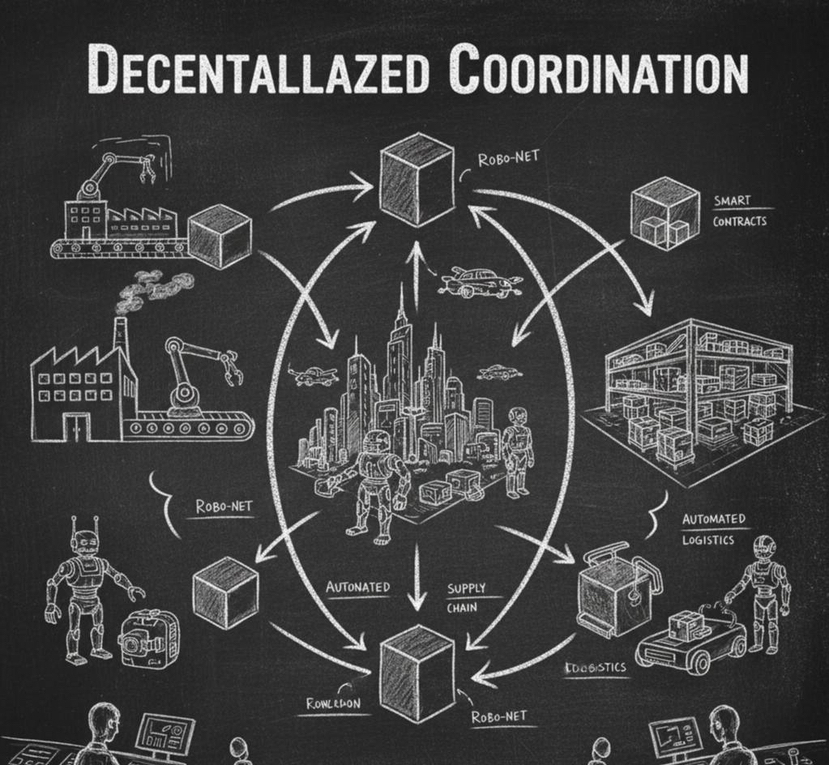 Fabric is betting that future will exist and they want to lay the rails early.
If they pull it off, this isn’t just another AI token story. It becomes foundational infrastructure for a machine-powered economy.
And that’s a much bigger conversation than most people realize.