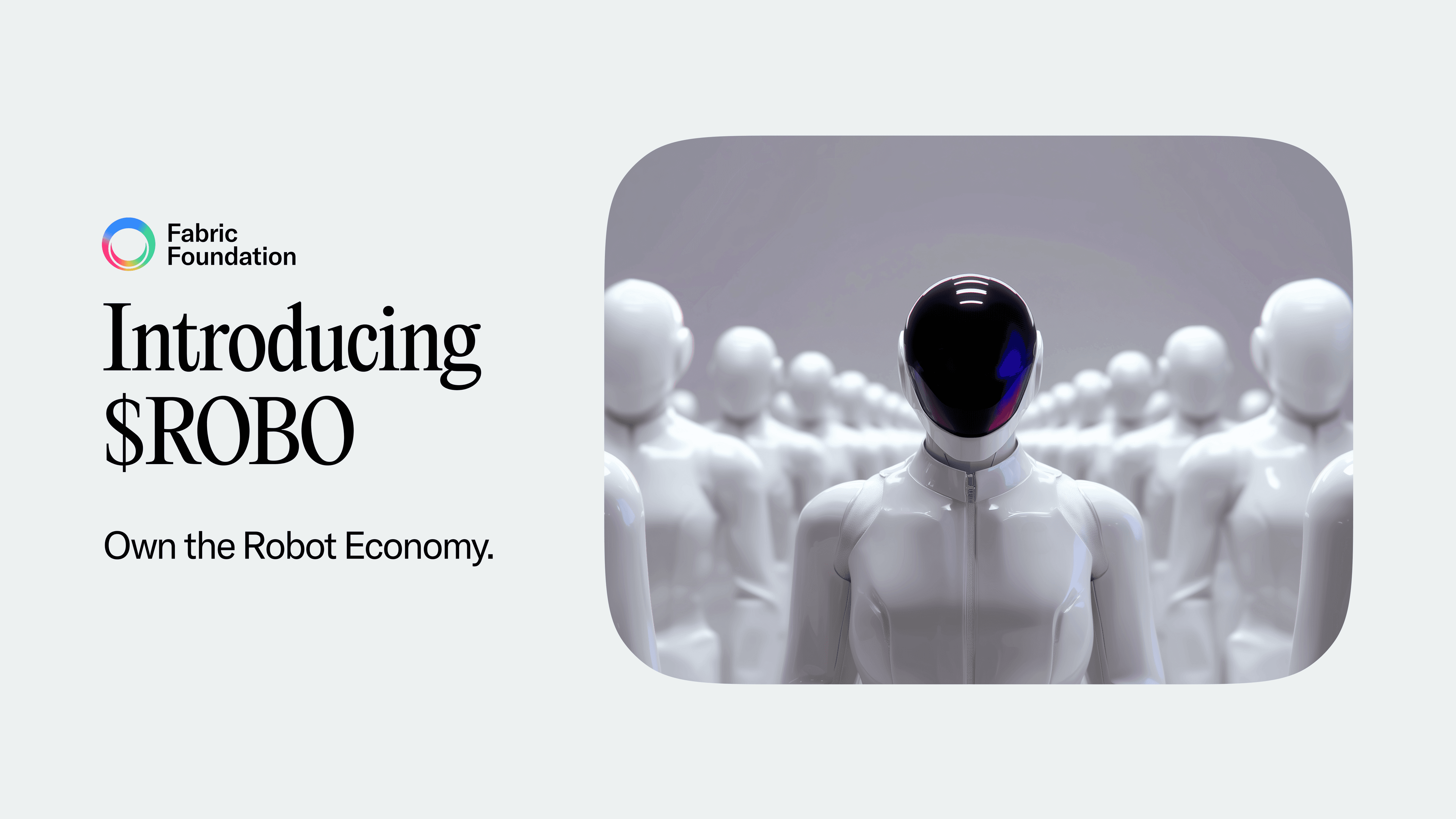
Features of Robo Token
🔹 Native Utility Token
@Fabric Foundation ROBO is the core utility and governance token of the Fabric Protocol, a decentralized blockchain designed to coordinate autonomous robots and machine services. It’s the “fuel” that makes the network run.
🔹 Staking & Access
Participants must stake $ROBO to access certain network coordination features (like registering hardware or running services).
🔹 Governance & Voting
Token holders can vote on protocol upgrades, fee structures, emissions rules, and ecosystem decisions, making it community-driven.
Bitrue
🔹 Proof-of-Contribution System
Instead of passive rewards, $ROBO tokens are earned by participants who contribute verified work (e.g., completing tasks, data validation).
🔹 Ecosystem Growth & Incentives
A significant portion of ROBO is dedicated to ecosystem development, community incentives, and Proof of Robotic Work rewards.
How Robo Token Works
1. Blockchain Backbone for Robots
The Fabric Protocol envisions a world where robots and autonomous systems can coordinate, transact, and earn value onchain rather than inside closed systems. #ROBO is the economic layer that makes this possible.
2. Transaction Fees
Whenever a machine or participant uses the network (for identity registration, data exchange, or automation tasks), they pay fees in ROBO tokens.
3. Staking and Work Bonds
Users who want to operate services or hardware on the network stake $ROBO as a security bond — similar to how staking works in many proof-of-stake blockchains. This bond helps ensure honest activity and access to work queues.
4. Governance Participation
ROBO holders lock their tokens to participate in governance, influencing key decisions like emissions rates, network upgrades, and fee policies.
5. Proof of Contribution Rewards
Instead of earning rewards simply for holding tokens, contributors earn ROBO based on activity — such as verified robotic tasks, compute resources supplied, or data contributions.