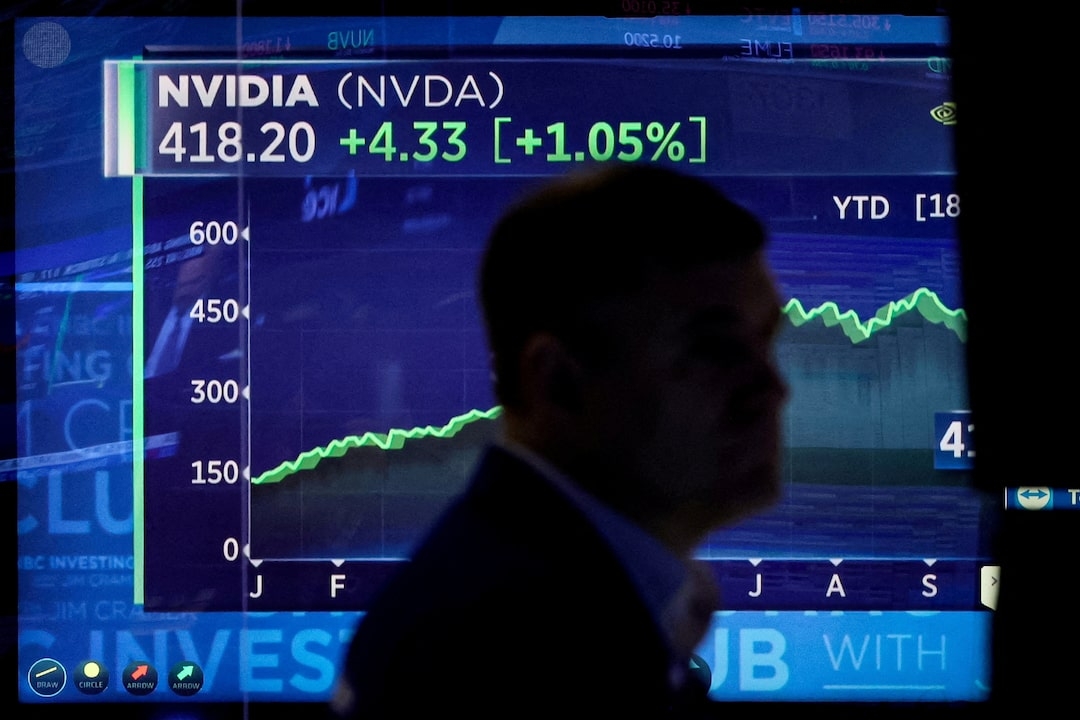
The stock market is a fickle beast, and Thursday, February 26, 2026, proved it. Even a king can bleed. Nvidia, the undisputed sovereign of the AI era, delivered a fourth-quarter report that most companies would sell their souls for. It beat revenue. It beat earnings. Yet, the market didn't cheer. It blinked.
Nvidia shares tumbled more than 5%, dragging the S&P 500 down 0.54% and the Nasdaq Composite a painful 1.18%. It was a cold shower for a market drunk on artificial intelligence optimism. When the bellwether stumbles, everyone feels the chill.
The Price of Perfection
Success is a double-edged sword. Nvidia is currently dealing with the "curse of high expectations." When you’ve spent years performing miracles, a standard "win" feels like a loss. Investors are no longer just looking for growth; they are looking for a "prove it" moment that justifies sky-high valuations.
Tom Graff, Facet’s chief investment officer, summed it up perfectly: the market is in skeptical mode. There’s a growing shadow over Nvidia’s massive deal with OpenAI. Concerns about capital expenditure and the actual return on investment for these AI giants are finally surfacing. The "AI honeymoon" might not be over, but the reality of the mortgage is setting in.
The Retail Rush and the Software Struggle
Interestingly, while the big institutions were trimming their sails, the "mom-and-pop" traders were diving in. Retail investors recorded their highest levels of net buying in Nvidia since 2012 during the first hour of trading. It was a classic "buy the dip" frenzy, even as the pros headed for the exits.
Meanwhile, Salesforce became the poster child for software anxiety. Despite solid earnings, a disappointing fiscal 2027 revenue forecast sent shares reeling. The fear? AI might not just help software companies—it might replace them. It’s a "software sentiment wreck," and even a $50 billion share buyback couldn’t stop the bleeding.
The Silver Linings
It wasn't all gloom. The Dow Jones managed to squeeze out a tiny gain of 0.03%. While tech shivered, other sectors like financials, energy, and real estate actually moved higher.
Penn Entertainment jumped 13% after a surprise revenue beat.
Paramount Skydance popped nearly 10% on better-than-expected guidance.
These "midday movers" remind us that there is life outside the Silicon Valley bubble.
The Hard Lesson: Diversify or Die
The biggest takeaway from Thursday’s carnage? Index math is a haunting reality. The "Magnificent Seven" companies accounted for 26% of the S&P 500's net income last year. When these seven giants sneeze, the entire index catches pneumonia.
Don't write off the tech titans just yet—they are still the profit engines of the global economy. But Thursday was a visceral reminder that no stock is a safe haven if it's priced for a perfection it can't maintain.
The Lesson: Never let your portfolio become a one-trick pony. Emotional investing in "the next big thing" can lead to a very rocky morning when the hype meets the ledger. Balance is your only shield against a market that decides, overnight, to stop believing in magic.
#JaneStreet10AMDump #MarketRebound #NVIDIA #S&P500 #Nvidia's $SOL $KITE $ZEC