
Strategy, Risk Management and Psychology
🧭 Complete beginner’s guide — Understand before you invest
✨ Introduction — Why learn trading today?
Trading fascinates people. On the internet, we see impressive gains, rising charts, and promises of financial freedom. But behind this attractive image lies a much more complex reality.
Trading is not a game. It is not a quick way to get rich either. It is a demanding discipline that requires knowledge, rigor, and strong self-control.
This guide was created for you — whether you’re a friend, a family member, or simply someone who wants to understand before getting started. The goal is simple: help you build solid foundations to avoid the most common mistakes.
👉 Here, you won’t find unrealistic promises.
👉 You will find fundamental principles to start intelligently.
🧩 Chapter 1 — What is trading?

Trading consists of buying and selling financial assets with the goal of making a profit.
These assets can be:
💱 Currencies (Forex)
🪙 Cryptocurrencies
📊 Stocks
🛢️ Commodities
Understanding the Pulse of Global Markets
Have you ever wondered why the price of a Tesla share jumps overnight or why the Euro fluctuates against the Dollar? Welcome to the world of Trading 🕯️📊. It is much more than just clicking "Buy" or "Sell"; it is the art of analyzing the world’s heartbeat ❤️🌍 to predict price movements.
1️⃣ What exactly is Trading? 🧐
At its core, trading is the exchange of financial assets with one goal: Profit 💰📈.
In the digital age, trading happens in milliseconds ⚡. The principle is simple:
🕯️📈 Going Long (Buying): You buy an asset because you believe its value will rise.
Example: Buying Bitcoin at $50,000 hoping to sell it at $60,000 🚀💸
🕯️📉 Going Short (Selling): This is the "magic" of trading. You can actually profit when prices drop by "borrowing" an asset to sell it high and buying it back cheaper later.
2️⃣ The Trader’s Playground: What can you trade? 🌍🛒
The global market is divided into different "supermarkets" called Asset Classes:
💱 Forex (Foreign Exchange): The largest market in the world 🌎. You trade currencies in pairs, like EUR/USD. If the European economy is strong, the Euro rises against the Dollar 📈
🍎 Stocks (Actions): Owning a piece of a company. When Apple releases a new iPhone that everyone loves 📱, the stock price usually climbs 📊
🪙 Cryptocurrencies: The "new frontier" 🚀. High speed ⚡, high technology 🤖, and high volatility 📉📈
🛢️ Commodities (Matières Premières): Physical goods. Gold is seen as a "safe haven" 🛡️ during wars, while Oil prices fluctuate based on global transportation needs 🚚
3️⃣ Why is it so complex? The "Invisible Hands" 👋
If trading were easy, everyone would be a millionaire 💵😄! The markets are a reflection of human behavior and global stability. They are influenced by:
🏦 The Global Economy: When the Central Banks (like the Federal Reserve in the US) raise interest rates 📊, it changes how everyone spends money
🧠 Human Psychology: Markets are driven by two main emotions: Fear 😨 and Greed 😈
When people are scared, they sell everything (Panic Selling) 📉
When they are greedy, prices skyrocket (Bubbles) 🎈📈
🌐 Geopolitics: An election in the US or a trade agreement in Asia can send shockwaves through the markets in seconds ⚡
🦢 Black Swan Events: These are unpredictable events, like a pandemic or a sudden natural disaster, that "break" the normal market rules
4️⃣ A Concrete Example: The "Coffee Shop" Scenario ☕
Imagine you trade Coffee (a commodity).
📰 The News: A massive frost hits Brazil (the world's biggest producer) and destroys half the crops ❄️🌱
🧠 The Logic: Supply goes down 📉, but people still want their morning caffeine ☕. Demand is high 📈
🕯️📈 The Trade: You Buy (Long) coffee contracts
💰 The Result: The price per pound jumps from $2 to $3 📊🚀. You sell your contract and pocket the difference
5️⃣ The Golden Rule: Don't Gamble, Educate Yourself! 🎓
Many beginners treat trading like a casino 🎰. That is a mistake ❌. To survive in this world, you need:
📋 A Strategy: A set of rules you follow every time
🛡️ Risk Management: Never "bet the house." Professional traders only risk 1% to 2% of their total capital on a single trade
⏳ Patience: Sometimes, the best trade is no trade at all
💡 "In trading, you are paid for your discipline, not your luck."
📝 Vocabulary for Future Traders
🐂 Bull Market: When prices are charging up 📈 (like a Bull’s horns)
🐻 Bear Market: When prices are crashing down 📉 (like a Bear’s claws)
⚡ Volatility: The speed at which prices change. High volatility = High risk / High reward
🛑 Stop-Loss: An automatic "safety net" 🛡️ that closes your trade if you lose a certain amount
Voici ton chapitre avec des emojis pertinents et quelques touches de bougies de trading 🕯️📈 pour rester cohérent et pro 👇
🕯️📊 Chapter 2: Debunking the Biggest Trading Myths
Before we dive into charts and numbers 📉📈, we need to clear the fog 🌫️. Many people enter the market with the wrong mindset because of what they see on social media 📱. Trading is a profession, not a magic trick 🎩. Let’s look at the Reality vs. The Myth.
❌ Myth 1: Trading is a "Get Rich Quick" Scheme 💸
The Myth: You can quit your job tomorrow, buy a Lamborghini 🏎️, and trade from a beach 🏝️ with just a phone 📱.
The Reality: The majority of beginners actually lose money at the start 📉.
The Lesson: Trading requires a steep learning curve 📚. Think of it like medical school or law school 🎓; you don't become a professional overnight. It takes time ⏳, practice 📝, and many mistakes to become profitable.
❌ Myth 2: You Just Need a "Secret" Strategy 🧩
The Myth: There is a "Holy Grail" indicator or a secret formula that wins 100% of the time 🪄.
The Reality: Without Risk Management 🛡️ and Discipline 🧠, even the best strategy in the world will fail 📉.
The Lesson: A strategy is only 20% of the work 📊. The other 80% is managing your emotions 😨😤 and knowing how much money to risk on each trade 💰. If you don't have a Stop-Loss 🛑, your strategy is just a gamble 🎲.
❌ Myth 3: The More You Trade, The More You Earn 🖱️
The Myth: If I spend 12 hours a day clicking "Buy" and "Sell," I will make more money 💵.
The Reality: Overtrading is one of the leading causes of losses 📉🕯️.
The Lesson: Quality over quantity ⚖️. Sometimes, the most profitable thing you can do is nothing 🧘. Professional traders wait for the perfect setup 🎯. Trading too much leads to exhaustion 😵💫, mistakes ❌, and paying too many fees to your broker 💸.
💡 The Golden Rule to Remember
🕯️📈 "Trading is a marathon, not a sprint."
If you try to run too fast (take too much risk) 🏃♂️, you will burn out 🔥 before you reach the finish line 🏁. The goal is to stay in the game long enough to let your edge play out 🎯.
📝 English Vocabulary for this Chapter
📌 To Debunk: Prouver qu'une idée est fausse (Casser un mythe).
📌 Overtrading: Trader de manière excessive (souvent sous le coup de l'émotion).
📌 Risk Management: Gestion du risque (la règle la plus importante).
📌 Mindset: État d'esprit / Mentalité.
📌 To break even: Ne ni gagner, ni perdre d'argent ⚖️ (une étape importante pour un débutant !).
Voici ton texte enrichi avec des emojis pertinents et des bougies de trading 🕯️📈 tout en gardant un style clair, pédagogique et professionnel 👇
🕯️📊 Chapter 3: The Three Pillars of Trading (The Tripod Rule)
Imagine a stool with three legs 🪑. If you remove one leg, the stool falls. Trading is exactly the same ⚖️. To survive in the market, you must balance these three fundamental pillars:
📊 Strategy (The Method): Your plan of action. It tells you what to do.
🛡️ Risk Management (The Shield): Your protection. It tells you how much to lose safely.
🧠 Psychology (The Mindset): Your discipline. It tells you how to stay calm when things go wrong.
👨🏫 Teacher's Note: Most students focus 100% on Strategy 📉, but professional traders know that Psychology 🧠 and Risk Management 🛡️ are what actually keep you in the business.
📊🕯️ Chapter 4: Mastering Your Trading Strategy
A strategy is not a "guess" ❌. It is a precise business plan 📋 that defines your every move. Without it, you are just gambling 🎲.
1️⃣ What makes a Strategy? 📝
A complete strategy must answer four questions:
🎯 Entry: When exactly do I open a trade?
🏁 Exit: When do I take my profit or accept a small loss?
💰 Risk: How much of my money am I putting on the line?
🌍 Market: Which assets am I trading (Gold 🪙, Crypto 🪙, Forex 💱)?
2️⃣ The Two Main Approaches 🔍
There are two ways to "read" the market:
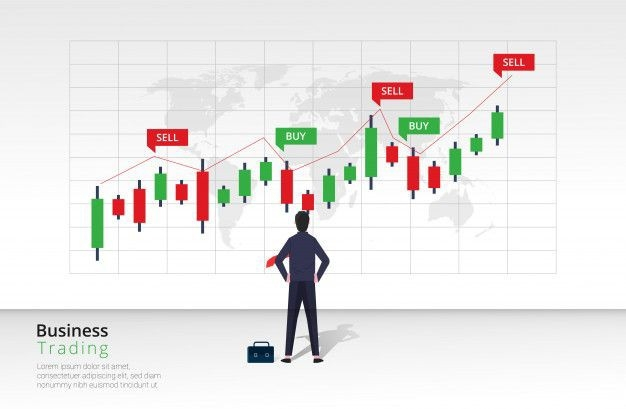
🕯️📈 Technical Analysis: You study price charts and past patterns to predict future moves. It's like reading a map 🗺️.
🌎📰 Fundamental Analysis: You study economic news, interest rates, and company health. It's like reading the weather report ☁️.
3️⃣ Reading the "Language" of the Market: Japanese Candlesticks 🕯️
To trade, you must read charts 📊. Each Candlestick represents a battle between Buyers 🐂 and Sellers 🐻 during a specific time (1 hour, 1 day, etc.).
🟢 The Body (Le Corps):
Green 🟢 → Prices went up (Buyers won) 📈
🔴 Red:
Prices went down (Sellers won) 📉
📏 The Wicks (Les Mèches): These thin lines show the highest and lowest prices reached. A long wick at the top often means the market "rejected" higher prices 🚫📈.
🏠 Support & Resistance (The Floor and The Ceiling):
📉 Support: An invisible "floor" where the price tends to bounce back up 🔄
📈 Resistance: An invisible "ceiling" where the price has trouble moving higher 🚧
📝 Vocabulary for this Session
📌 Pillars: Les piliers (fondations).
🎲 To Gamble: Jouer au hasard / parier.
🕯️ Candlestick: Une bougie (graphique).
📏 Wicks: Les mèches des bougies.
📊 Support / Resistance: Les zones de rebond ou de blocage du prix.
Voici ton chapitre enrichi avec des emojis pertinents 🕯️📉📈 tout en gardant un ton professionnel et pédagogique 👇
🛡️🕯️ Chapter 5: Risk Management (The Key to Survival)
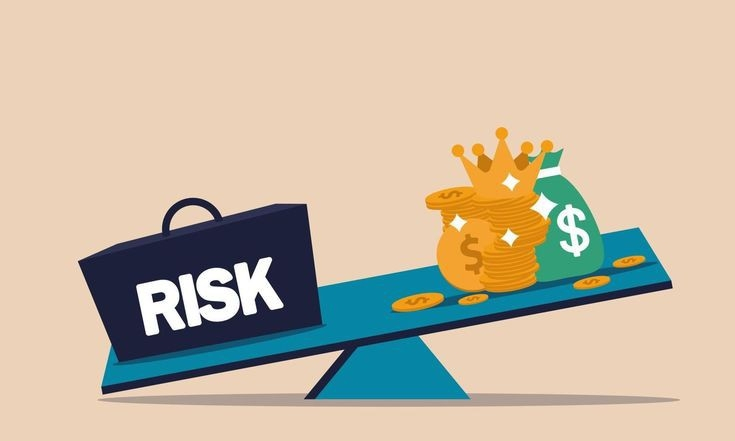
If you remember only one thing from this entire guide, let it be this: Risk management is more important than your strategy 📊.
Even the world’s best traders face losses 📉; the only difference is that they know how to control them 🎯.
1️⃣ The Golden Rule: Never Risk Too Much ⚖️
Professional traders follow a strict rule: they never risk more than 1% to 2% of their total capital on a single trade 💰.
🧠 Why? Because even with a great strategy, you can hit a losing streak 📉📉📉.
If you risk 50% of your account on one trade and lose ❌, you are halfway to being broke.
If you risk only 1%, you can survive 100 losses in a row 🕯️ and still stay in the game.
👉 Survival comes before success.
2️⃣ Your Best Friend: The Stop Loss 🚒
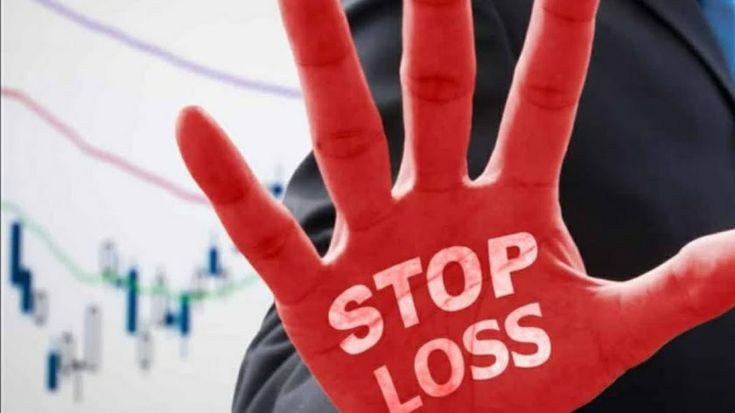
A Stop Loss 🛑 is an automatic order that closes your trade if the price moves against you 📉. It is your "emergency brake" 🚗.
💡 The Analogy: Trading without a Stop Loss is like driving a car at 100 mph without brakes 🚗💨.
It’s not a matter of if you will crash, but when 💥.
🕯️📉 Smart traders always protect the downside first.
3️⃣ The Double-Edged Sword: Leverage (L'effet de levier) 🚀
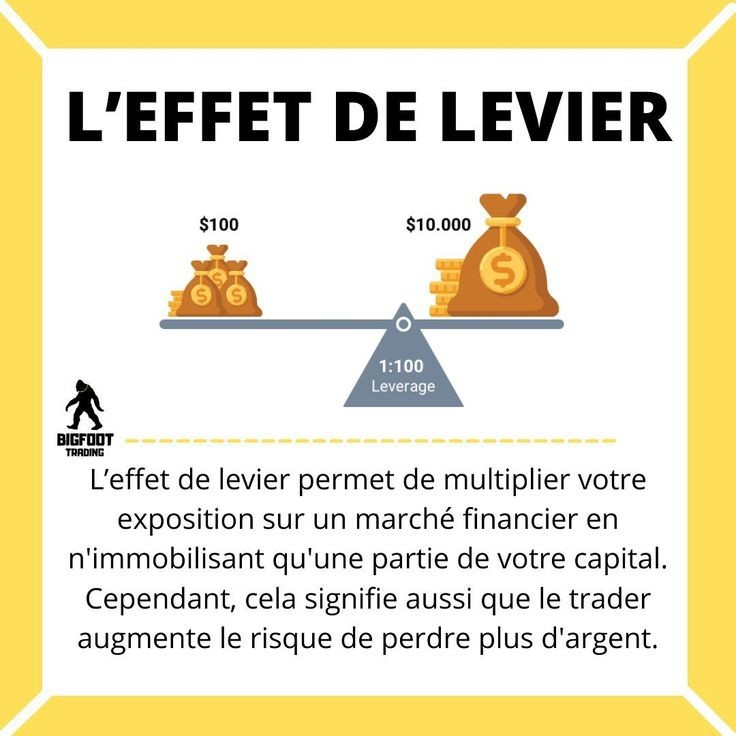
Leverage allows you to trade with more money than you actually have in your account 💵. While it can multiply your profits 📈, it is extremely dangerous ⚠️.
📊 The Danger: If you use 10x leverage, a tiny 1% move in the market becomes a 10% change for your account.
Small move in price 📉 → Big impact on your capital 💥
🧠 The Advice: For a beginner, leverage is often the fastest road to ruin 🚧.
You shouldn't try to run a marathon 🏃 with rocket boosters 🚀 if you don't even know how to walk yet.
👉 Start with 1:1 leverage until you are consistently profitable 📈.
4️⃣ Preserve Your Capital at All Costs 💰
In trading, your capital is your tool 🛠️.
It is like a carpenter's saw or a chef's knife 🔪.
If you lose your tool, you cannot work anymore ❌.
🎯 Priority #1: Protection 🛡️
💸 Priority #2: Profits 📈
🕯️ The Mantra: Without capital, it is impossible to continue.
📝 Teacher's Vocabulary Toolbox
🛡️ Risk Management: Gestion du risque (votre bouclier).
💰 Capital: L'argent total disponible sur votre compte.
🛑 Stop Loss: Ordre automatique de protection contre les pertes.
🚀 Leverage: Effet de levier (emprunter de l'argent au courtier pour miser plus).
📉 Losing Streak: Une série de pertes consécutives.
📊 Consistent: Régulier (le but ultime du trader).
Parfait 👍 voici la version complète en anglais avec des emojis cohérents et des touches trading 🕯️📉 tout en gardant un ton professionnel 👇
🧠🕯️ Chapter 6 — Trader Psychology: Mastering Your Emotions
Psychology is the most underestimated aspect by beginners ⚠️, yet it is the most critical factor for success 📊. Markets are not just streams of prices 📉📈 — they are arenas where human emotions collide 🎭.
🎢 Emotional Traps of the Market
The market constantly plays with four major emotions:
😨 Fear: of losing money 💸 or missing an opportunity (FOMO).
😤 Frustration: after a series of losses 📉📉 or when a scenario doesn’t play out.
⏳ Impatience: wanting immediate results without waiting for clear signals 🕯️.
😎 Overconfidence: after a series of wins 📈, often leading to excessive risk-taking ⚠️.
🧘 The Discipline Imperative
To survive, a trader must learn to stay calm 🧘 and disciplined in all circumstances.
Classic mistakes like:
❌ Trying to “win it back” after a loss
❌ Trading out of boredom 😴
❌ Chasing the excitement of quick profits ⚡
These behaviors turn trading into a casino 🎰.
Trading is not gambling 🎲 — it is a rigorous risk management activity where the most disciplined traders outperform the most intelligent ones 🧠.
⏳🕯️ Chapter 7 — The Importance of Patience: Waiting for Your Moment

Patience is not just a virtue in trading — it is a fundamental technical skill 🎯. In a fast-moving world 🌍, sometimes doing nothing is the most profitable decision 💰.
⚖️ Quality Over Quantity
Markets offer opportunities every day 📊, but that does not mean you must always be in a trade.
A professional trader understands that:
🕯️ The market owes nothing to anyone and moves at its own pace.
🎯 Waiting for the “right setup” (one that strictly follows your plan) is part of the job.
🛡️ Staying on the sidelines when conditions are not optimal helps preserve your capital for moments when probabilities are highest.
📚🕯️ Chapter 8 — Learning and Practice: The Path to Competence
No one becomes a skilled trader overnight ⏳. It is a long process that requires an almost academic structure 🎓 to turn effort into expertise.
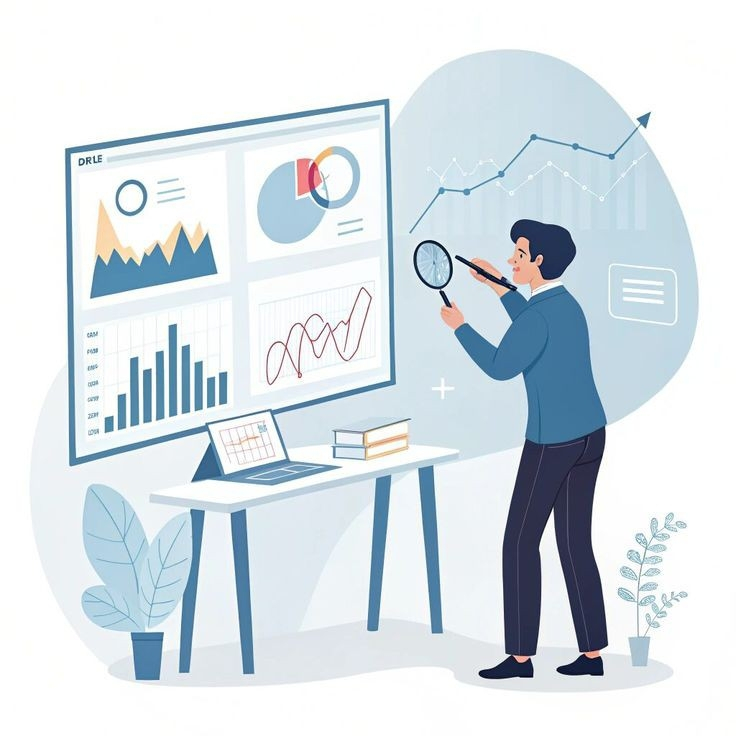
🧱 The Pillars of Progress
To build a solid trading career, four key elements are required:
📖 Study: Continuous learning about market mechanics and strategies.
📓 Trading Journal: The essential tool to record every trade, the emotions felt, and the outcome. It is the only objective mirror of your performance 🪞.
🔍 Error Analysis: Seeing losses not as failures ❌ but as valuable data to improve your system 📊.
⏳ Time: Allowing experience to develop through different market cycles.
🏁 Conclusion
Success in the markets is a tripod 🪑:
Without emotional discipline 🧠 (Chapter 6),
strategic patience ⏳ (Chapter 7),
and learning rigor 📚 (Chapter 8),
even the best technical strategy will fail in the long run 📉.
🕯️📈 Consistency is built through discipline, patience, and continuous improvement.
Voici tes chapitres enrichis avec des emojis cohérents 🕯️📉📈 tout en gardant un ton sérieux, professionnel et “livre” 👇
⚠️🕯️ Chapter 9 — Facing the Harsh Realities: The Perils of the Market
Trading is often marketed as an easy path to freedom 💸, but the statistical reality is stark 📊. To trade professionally, one must first respect the danger ⚠️.
🔻 The Velocity of Capital Loss: Markets do not move linearly 📉; volatility can wipe out an account in minutes if leverage is misused 💥.
🧠 The Psychological Toll: Emotional stress isn't just "feeling bad" — it leads to decision fatigue, where the brain's ability to calculate risk deteriorates after repeated exposure to stress 😵💫.
🎰 The Trap of Addiction: The intermittent reinforcement (occasional wins 📈) of trading can trigger the same neurological pathways as gambling ⚠️.
🛑 The Survival Rule: A professional never risks "scared money." Trading with capital needed for rent or food 🍽️ creates a level of desperation that guarantees poor decision-making.
🧭🕯️ Chapter 10 — Strategic Foundations: Starting with Intelligence
Most traders fail because they "gamble" 🎲 their way into the market. A professional entry requires a systematic build-up 🧱.
🎓 Academic Rigor: Serious training involves understanding market microstructure, order flow, and economic indicators 📊 — not just following "signals".
💰 The "Small Capital" Paradox: Starting small is not about making money; it is about paying a "tuition fee" 🎟️ to the market to learn how you react to real losses without going bankrupt.
📋 Process over Profit: In the first 12 months ⏳, your P&L is irrelevant. Your only metric of success should be:
👉 "Did I follow my plan today?"
⏳🕯️ Chapter 11 — The Infinite Game: Building a Multi-Year Vision
Trading is not a sprint 🏃; it is an endurance race. A long-term vision acts as a buffer against short-term market noise 📉📈.
🔄 The Cycle of Experience: You must see the market in all its phases — bull markets 🐂, bear markets 🐻, and sideways "choppy" markets — before claiming competence.
📈 The Power of Compounding Discipline: Consistency in small habits (like daily pre-market prep 📝) compounds over years into a professional edge.
🧠 Evolutionary Learning: The market changes 🔄. What worked in 2020 may not work in 2026. A long-term trader is a perpetual student 📚 who adapts their strategy to shifting liquidity.
🧠🕯️ Chapter 12 — The Ethical Mindset of the Responsible Trader
The final stage of trading mastery is not a better indicator 📊, but a better philosophy.
✅ Radical Acceptance: A responsible trader views a stop-loss 🛑 not as a failure, but as a "business expense" necessary to see the next trade.
🛡️ Capital Stewardship: Your primary job is not to "make money," but to protect the chips you have on the table 🎯. Without capital, you cannot play.
🙏 Intellectual Humility: The moment a trader thinks they "own" the market, the market humbles them 📉. Remaining humble allows you to exit a losing position quickly without bruising your ego.
🎬 The Realism Filter: Professional trading is often boring 😌. It is a repetitive execution of a statistical edge 📊. If it feels like a movie, you are probably taking too much risk 🎢.
Voici ta conclusion finale traduite en anglais, enrichie avec des emojis pertinents pour donner du style et garder l’attention du lecteur 🕯️📈💡❤️ :
🏁 Conclusion — A Demanding but Rewarding Path
Trading can be an exciting and intellectually stimulating adventure 🧠📊. However, it is not a shortcut to wealth 💸.
It is a school of discipline 🧘, patience ⏳, and emotional management 🎢. If you decide to start, do so with seriousness, curiosity, and caution 🕯️.
🔑 Key Principles to Remember
👉 Learn before you risk 📚
👉 Protect your capital 🛡️💰
👉 Stay disciplined 🧘♂️
And above all, remember:
The best strategy is the one that allows you to stay in the game for the long term 📈🏁
📌 Final Message for Your Loved Ones ❤️
If this guide can help you avoid mistakes ❌ and give you a solid foundation 🏗️, then it has fulfilled its mission.
Trading is not reserved for an elite, but it demands respect and preparation ⚖️.
Take your time ⏳. Learn 📖. Progress 🚀.
Started to trade on Binance $USDC $SOL $BTC
