
I have been watching Bitcoin long enough to see it move from an obscure experiment discussed on forums to a global asset debated by governments, institutions, and everyday investors. Over the years, I’ve spent a lot of time on research trying to understand not just where Bitcoin’s price might go, but who actually holds it. Ownership matters. It shapes liquidity, volatility, and even the long-term philosophy behind Bitcoin itself. And the deeper I went, the clearer it became that Bitcoin ownership tells a story about power slowly shifting hands.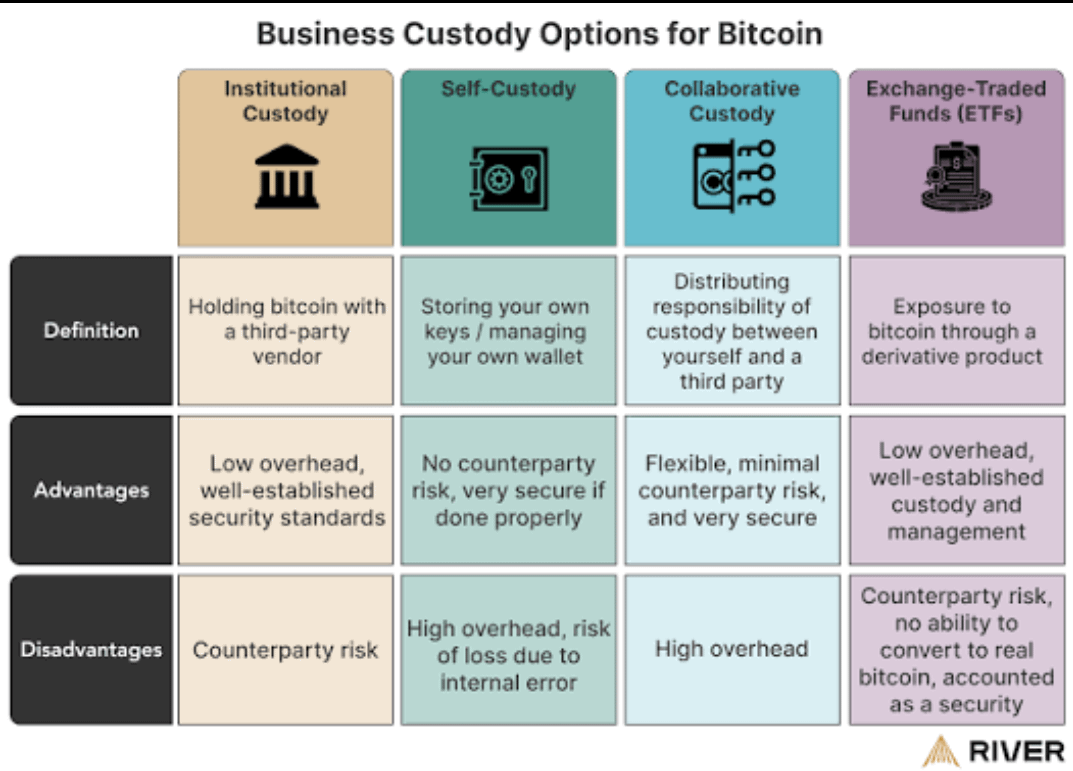
Bitcoin’s supply is permanently capped at 21 million coins. That single design choice makes every bitcoin finite, and it’s why ownership concentration has always been such an important topic. In the early days, Bitcoin was mined by a tiny group of believers who were willing to run software that paid them coins worth almost nothing. Today, those early decisions echo across the entire market.
At the center of every conversation about Bitcoin ownership is Satoshi Nakamoto. After spending years watching blockchain data and reading academic research, I can say with confidence that Satoshi is still believed to be the largest single holder of bitcoin. Estimates suggest around 1.1 million BTC were mined by Satoshi during Bitcoin’s earliest phase, mostly between 2009 and 2010, when block rewards were 50 BTC per block. What fascinates me most is not just the size of this holding, but the silence around it. These coins have never been spent. They sit untouched, spread across thousands of addresses, like a constant reminder that Bitcoin was created to exist beyond its creator.
The estimate itself comes from detailed blockchain analysis, most famously the Patoshi mining pattern, which identifies a unique fingerprint in early block production. While it’s not mathematically proven, it’s widely accepted among researchers. I’ve reviewed multiple independent studies, and they all point in the same direction. If those coins ever moved, it would shake the entire market. The fact that they haven’t may be the most powerful signal of trust Bitcoin has ever received.
Beyond Satoshi, the landscape changes dramatically. I’ve watched a quiet shift over the past few years as institutional ownership has surged, especially after the approval of spot Bitcoin ETFs in the United States. This was one of the biggest turning points in Bitcoin’s history. Instead of individuals managing private keys, massive asset managers began holding bitcoin on behalf of millions of traditional investors. By late 2025, Bitcoin ETFs collectively controlled well over a million BTC. BlackRock’s iShares Bitcoin Trust alone holds hundreds of thousands of coins, making it one of the largest single custodial holders on the planet. Fidelity and Grayscale follow closely, each managing enormous reserves that continue to grow or shrink with market flows.
What struck me while researching ETFs is how quietly this transformation happened. Bitcoin didn’t change, but the type of owner did. Retirement accounts, pension funds, and conservative investors now indirectly own bitcoin through regulated products. That’s a far cry from Bitcoin’s cypherpunk origins, and yet it’s part of its evolution.
Public companies are another group I’ve been closely watching. Strategy, formerly known as MicroStrategy, stands out more than any other. Under Michael Saylor’s leadership, the company has accumulated hundreds of thousands of BTC, turning its balance sheet into a bitcoin-centric strategy rather than a traditional treasury. I’ve followed every major purchase announcement, and what’s clear is that this isn’t short-term speculation. It’s a long-term conviction play. Mining companies like MARA have also built substantial reserves, holding onto mined bitcoin instead of selling it immediately, which further tightens supply.
Outside public markets, private companies quietly control significant amounts of bitcoin. Through my research, names like Block.one and Tether repeatedly surfaced. These firms don’t face the same disclosure requirements, so exact figures are always estimates, but the numbers are still massive. In many cases, bitcoin functions as a strategic reserve asset rather than a speculative trade.
Government ownership was the most surprising part of my research. I used to assume states were mostly on the outside looking in. That’s no longer true. Governments now hold hundreds of thousands of BTC, largely acquired through law enforcement seizures. The United States alone controls a substantial amount, much of it tied to historic cases like Silk Road and major exchange hacks. When I followed the paper trail, it became clear that bitcoin has unintentionally become part of national balance sheets.
China, the United Kingdom, and several other countries also hold large amounts, mostly from criminal investigations. El Salvador remains unique because it chose to buy bitcoin directly, integrating it into national policy. I’ve watched that experiment unfold with mixed reactions globally, but there’s no denying its symbolic impact. Bitcoin is no longer just a private asset. It’s geopolitical.
Then there are the whales. I’ve spent countless hours analyzing wallet distributions, and while most large holders remain anonymous, their presence shapes market behavior. Early adopters, long-term investors, and large custodial entities often hold thousands or tens of thousands of BTC. Some stabilize the market by holding through downturns, while others move liquidity across exchanges. Their identities may be hidden, but their influence is real.
One important thing I’ve learned through all this research is that visible wallets don’t always equal true ownership. Exchanges hold massive balances, but those coins belong to users. ETFs custody bitcoin, but investors own the exposure. Governments may control seized coins, but political decisions can change their status overnight. Bitcoin ownership is fluid, constantly reshaped by regulation, market cycles, and human behavior.
After watching Bitcoin evolve for years, one conclusion stands out. While Satoshi Nakamoto remains the largest individual holder, Bitcoin ownership today is more distributed than ever before. Institutions, companies, governments, and millions of individuals now share control of the network’s monetary base. That distribution may be imperfect, but it’s far broader than in Bitcoin’s early days.
I spent years on research trying to understand where Bitcoin’s power truly lies, and the answer isn’t in a single wallet. It’s in the slow transition from a niche experiment to a global asset that no single entity can fully control. That, more than price or headlines, is what continues to make Bitcoin worth watching.
