
“Could autonomous on-chain agents powered by $ROBO evolve into self-governing economic actors that negotiate, deploy capital, and coordinate machine-to-machine markets without human intervention?”
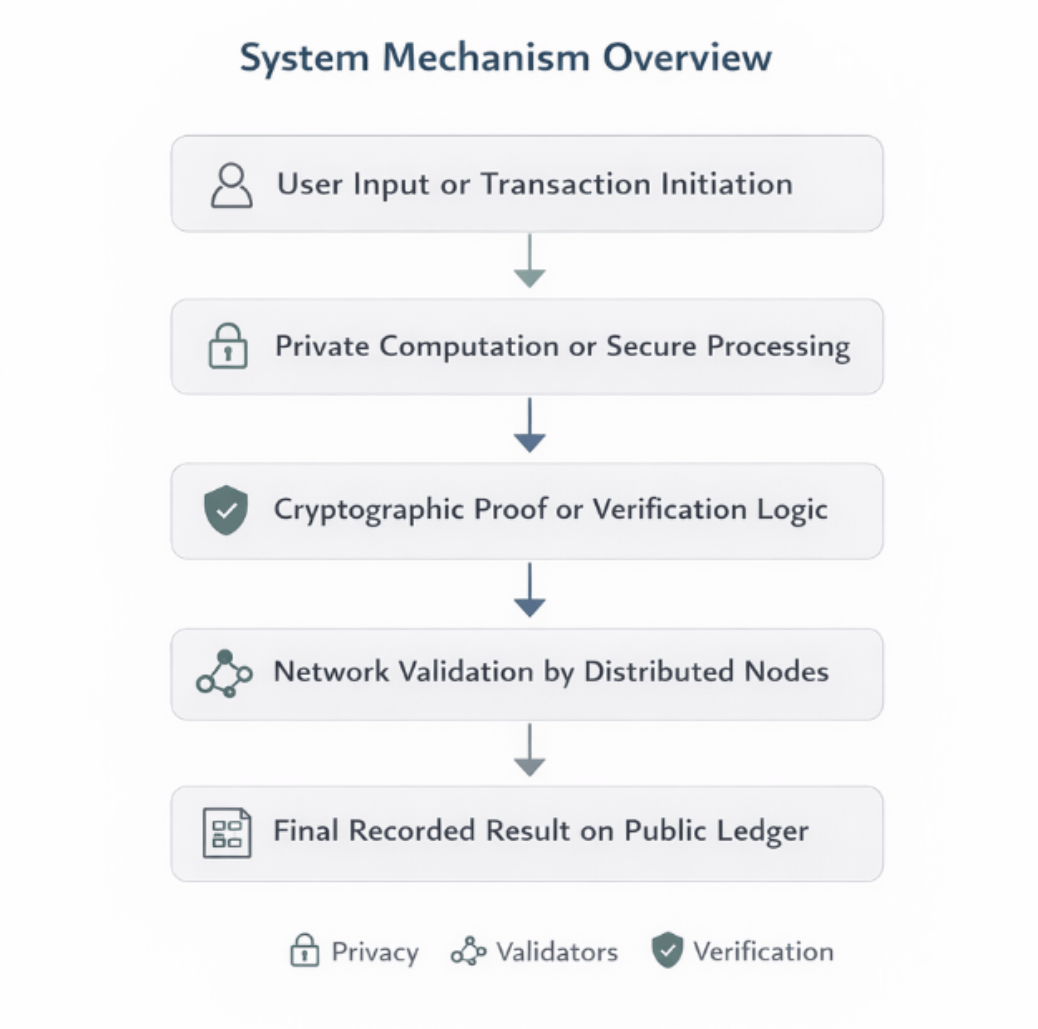
I keep coming back to a strange question while watching the evolution of crypto infrastructure: what happens when software agents stop being tools and start behaving like economic actors?
Not scripts. Not bots executing a simple strategy. Actual autonomous entities that negotiate, allocate capital, and interact with other machines on-chain.
The idea sounds futuristic, but the foundations are quietly forming. Projects like ROBO are exploring what happens when autonomous agents become native participants in blockchain economies.
Think about it like this.
Today’s crypto protocols are cities. Smart contracts are buildings. Users are the citizens making decisions. But imagine if some of those citizens weren’t human at all — they were autonomous digital workers that never sleep, constantly analyzing data, negotiating deals, and allocating capital across networks.
That’s the direction autonomous on-chain agents point toward.
And ROBO sits directly in that emerging lane.
The Rise of Machine Economies
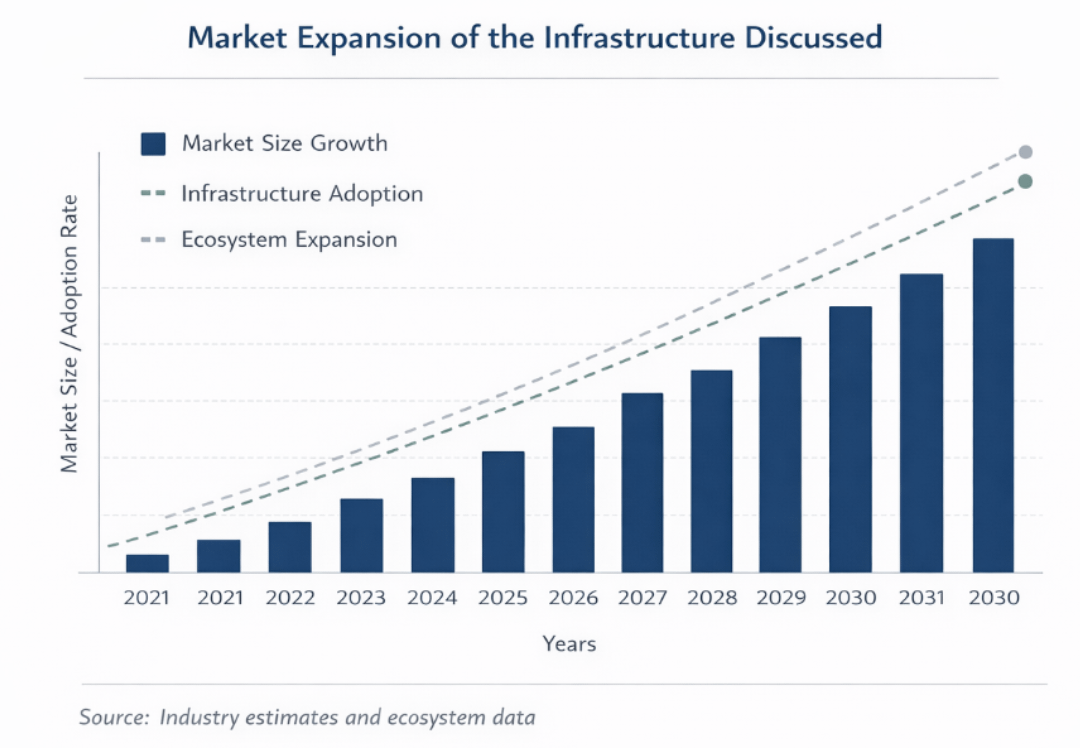
Automation in finance isn’t new. Algorithmic trading already dominates traditional markets. Some estimates suggest more than 70% of equity trades in major markets are executed by algorithms rather than humans.
Crypto is naturally pushing that concept even further.
Because blockchains allow programmable ownership and permissionless interaction, autonomous agents can do more than execute trades. They can hold wallets, sign transactions, deploy smart contracts, and coordinate with other agents.
In other words, they can participate in the economy directly.
But that raises a huge challenge: coordination.
If thousands or millions of autonomous agents operate across decentralized networks, they need infrastructure that allows them to communicate, negotiate, and coordinate actions without human mediation.
That’s where projects like ROBO start to get interesting.
Where ROBO Fits Into the Picture
At its core, ROBO explores the idea of autonomous on-chain agents operating within decentralized systems.
Instead of humans constantly managing transactions, strategies, or market interactions, software agents can perform these tasks automatically. But the real innovation isn’t just automation — it’s autonomy.
A trading bot today follows rigid instructions.
An autonomous agent, by contrast, can analyze conditions, choose between strategies, and interact with other agents or protocols to achieve its objective.
In the context of ROBO, these agents could theoretically:
Deploy liquidity into DeFi markets.
Negotiate services with other agents.
Coordinate resource allocation across decentralized networks.
Operate micro-economies between machines.
Imagine a network of AI-driven agents managing infrastructure for decentralized compute markets, energy trading systems, or autonomous data marketplaces. Instead of humans manually coordinating these markets, agents could discover prices, negotiate resources, and settle transactions entirely on-chain.
ROBO’s role in that ecosystem revolves around enabling those agents to operate economically within blockchain environments — whether through tokenized incentives, agent coordination layers, or programmable interaction mechanisms.
In other words, it’s less about a single application and more about enabling a new type of participant inside the blockchain economy.
Machines Negotiating With Machines
One of the most fascinating implications of autonomous agents is machine-to-machine commerce.
Picture two autonomous systems negotiating in real time.
One agent controls a decentralized data source. Another manages an AI model that needs data. Instead of humans writing contracts or managing subscriptions, the agents negotiate usage, pricing, and payment automatically.
A tiny transaction occurs on-chain.
The model gets its data.
The data provider gets paid.
Now scale that interaction millions of times across networks.
That’s essentially a machine economy.
In that environment, tokens like ROBO become coordination assets — units that agents use to transact, signal intent, or access infrastructure.
The interesting shift here is that economic activity may no longer be exclusively human-driven.
The Risks Nobody Talks About
Of course, autonomous agent economies come with serious questions.
First, governance.
If autonomous agents control capital and interact with protocols, who is responsible when they behave unexpectedly? A poorly designed agent could deploy funds into malicious contracts or trigger cascading financial interactions across DeFi systems.
Second, incentive alignment.
Agents are programmed to optimize objectives. If those objectives conflict with protocol stability or user interests, the system could behave unpredictably.
And finally, there’s the question of scale.
Machine-driven markets could move far faster than human governance systems can respond. When thousands of agents coordinate simultaneously, the speed of economic interaction might outpace traditional oversight models.
Why This Matters
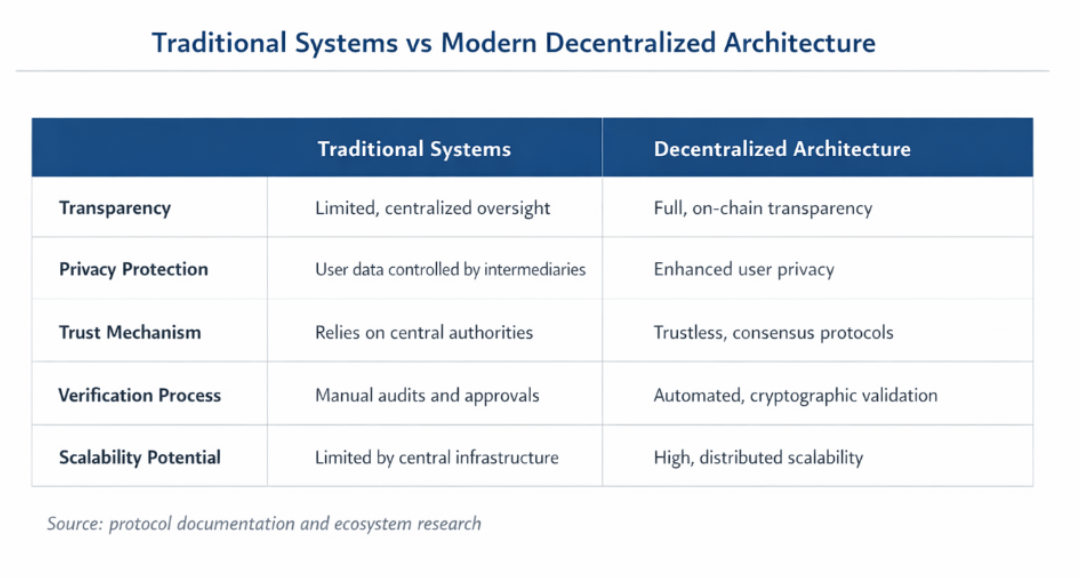
The real significance of ROBO isn’t just the technology itself — it’s the direction it hints at.
Crypto has already introduced programmable money. The next phase might introduce programmable economic actors.
If autonomous agents become common participants in blockchain ecosystems, entire markets could emerge where machines negotiate resources, execute strategies, and coordinate activity without human intervention.
Instead of users interacting with protocols, we may eventually see agents interacting with other agents.
And in that future, tokens like ROBO may serve as the connective tissue between autonomous systems and decentralized markets — the currency machines use to cooperate.
That possibility is still early and highly experimental.
But if machine economies truly emerge on-chain, the question won’t be whether autonomous agents participate in crypto markets.
It will be how much of the economy they eventually run.
