
While you are watching the secret negotiations in Doha, the main players are focused on drones in the Persian Gulf.
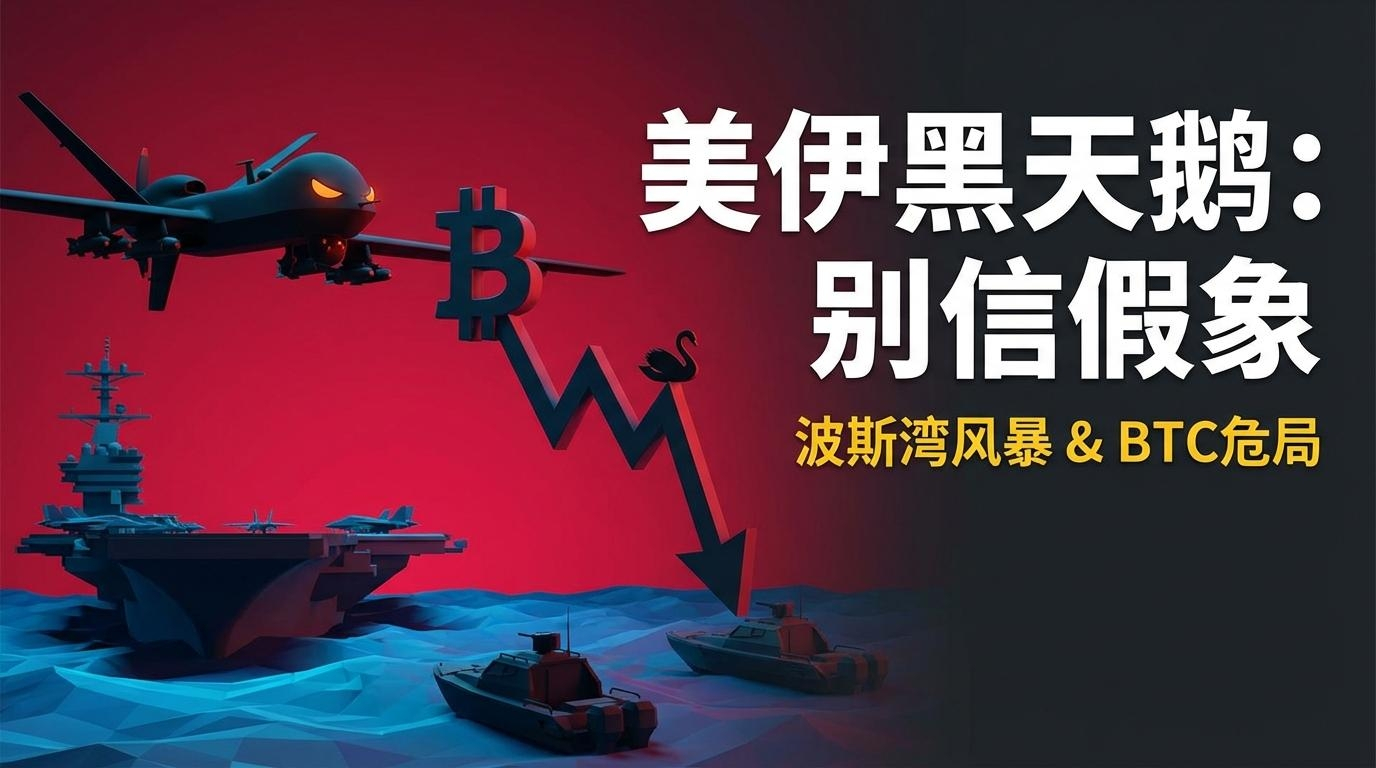
Just yesterday, Iran's Shahed-129 drone attempted to get close to a U.S. aircraft carrier, accompanied by several speedboats harassing oil tankers. Is this a conciliatory attitude? Don't be naive. The so-called 'diplomatic engagement' now is just both sides raising their stakes for the next round at the negotiation table. The White House has restarted 'maximum pressure,' and Tehran is responding with 'probing attacks,' which reflects the true nature of geopolitics.
The market is most sensitive and vulnerable to this kind of 'hit-and-talk' script. The recent pullback is essentially a risk-averse reaction to this uncertainty. Many people feel reassured when they see 'special envoy meetings,' but overlook the protests erupting in Iran due to economic sanctions, which are forcing it to display toughness externally. This situation of internal and external troubles can easily lead to misfires.
My judgment is clear: in the short term, this kind of 'war edge' friction will become normal and may even escalate. For the cryptocurrency market, geopolitical crises have always been a double-edged sword. Panic can create golden pits, but once a real hot war begins, liquidity crises will first kill all risk assets.
The current strategy is simple: keep an eye on the movements in the Persian Gulf, rather than the Ministry of Foreign Affairs' press releases. As long as there is no real firing, every plunge triggered by news, $BTC , is an opportunity for the main force to wash the盘 and pick up bloody chips.
Dare to ask: with the current position, are you betting that they will break off talks, or are you betting that they are just acting?
