
I’ve been keeping an eye on Vanar Chain because it doesn’t feel like another chain racing for headline speed numbers. The focus is different. Vanar is being built for AI-first apps and real usage, not just empty throughput claims.
Most chains bolt AI on after the fact. Data lives off-chain, compute happens somewhere else, and everything’s stitched together with APIs. It works, but it’s clunky. @Vanarchain takes the opposite route. Things like vector search, semantic data, and inference-ready structures are part of the base layer. So apps can run similarity searches or lightweight inference directly, without jumping through hoops.
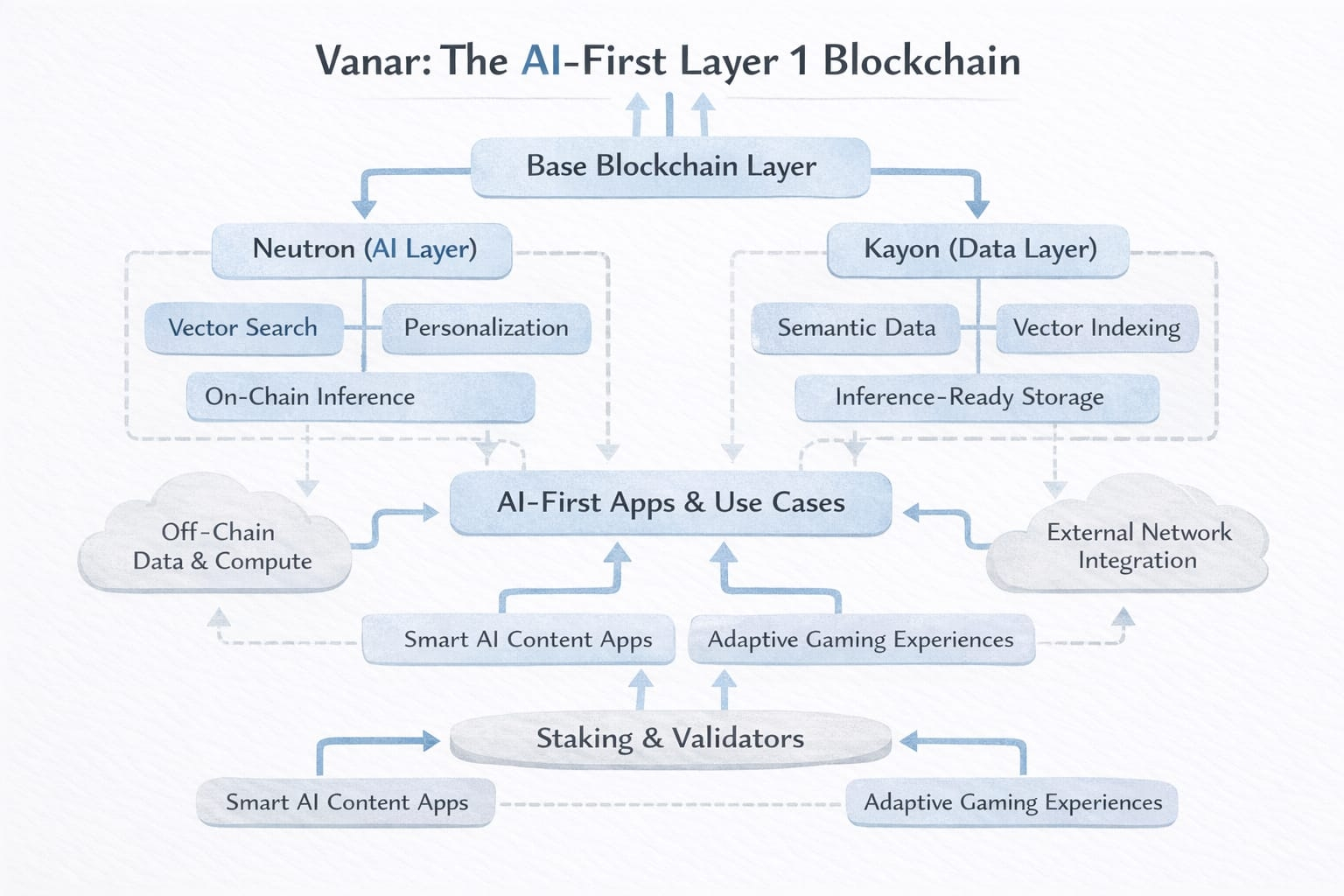
That actually matters. Picture a music or content app that mixes user behavior with on-chain ownership and instantly personalizes recommendations. Or a game where NPCs adapt to players in real time instead of following scripted logic. Those are the kinds of workloads Vanar’s Neutron and Kayon layers are clearly designed for. And lately, a lot of their ecosystem moves have been pointing toward AI plus entertainment, not just DeFi for the sake of it.
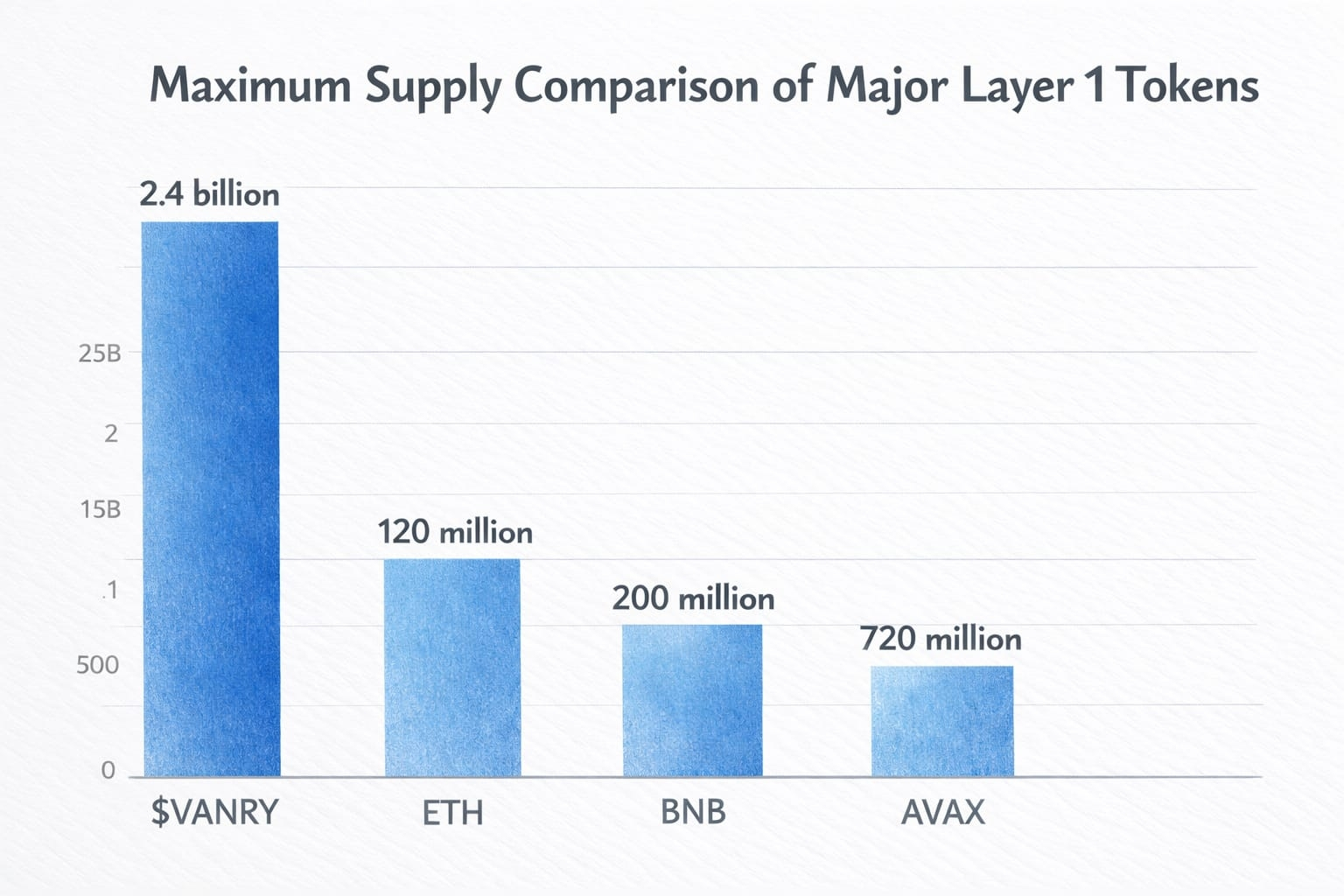
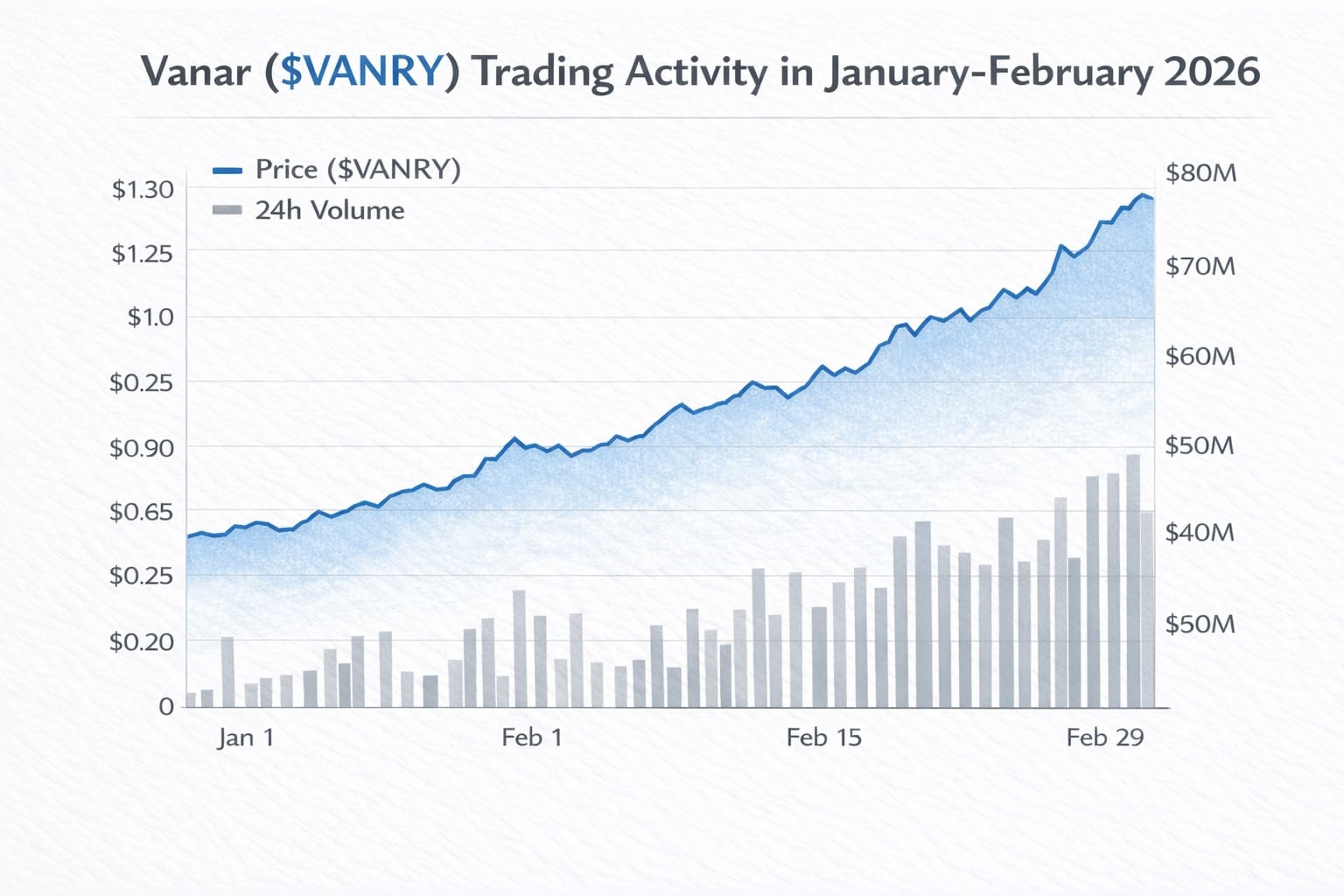
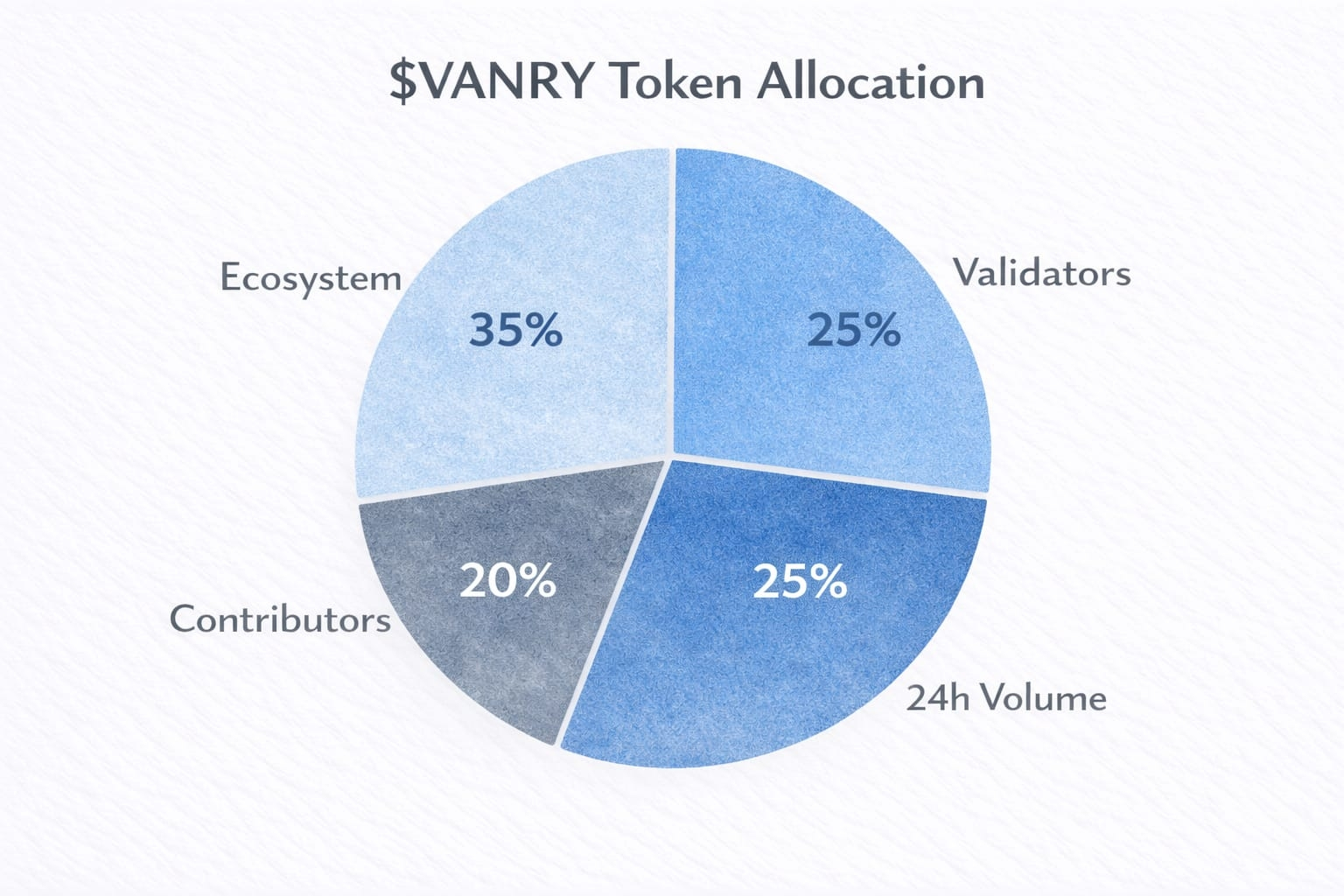
On the token side, VANARY is used for fees, staking, and validator rewards. The max supply is capped at 2.4 billion, which at least shows some discipline around long-term incentives. You can already see steady trading activity and usable liquidity, which tells me this isn’t just a concept chain waiting for attention.
Now, the honest part.
$VANRY 's biggest challenge is execution. AI-native chains only win if developers actually ship. Tooling has to be smooth, docs need to make sense, and real apps need to survive real traffic. There’s also competition. Bigger L1s like Ethereum and BSC aren’t built for AI workloads, but they do have massive ecosystems and mindshare.
That said, Vanar’s specialization could be its edge. It won’t appeal to every builder, but for teams that need on-chain intelligence, fast inference, or media-focused primitives, it’s genuinely interesting.
My takeaway is simple. #vanar isn’t chasing hype cycles. It’s betting that the next generation of Web3 apps will need intelligence baked in from day one. If that shift plays out, this chain could age better than most people expect.


