
After the new regulations on virtual currencies were introduced, the entire internet was again divided into two groups of idiots:
One group is shouting that the cryptocurrency world is finished, everything is banned, and they should run quickly;
The other group pretends to be calm, repeating the same old tune, just like 9.24, trading as usual, nothing to worry about.
To be honest, from the perspective of a cryptocurrency lawyer, this round of new regulations shows that the regulators actually have no intention of killing retail investors or banning crypto trading.
From start to finish, there is only one stablecoin that has to be dealt with harshly, along with the illegal financial activities that rely on stablecoins.
But this time it has nothing to do with retail investors; instead, this new regulation has more tricks!
Understanding leads to survival, while misunderstanding leads to death; it’s that simple.
First, it must be made clear that the 26 announcements are not laws and that there is not a single clause prohibiting individuals from buying, selling, or holding virtual currencies.
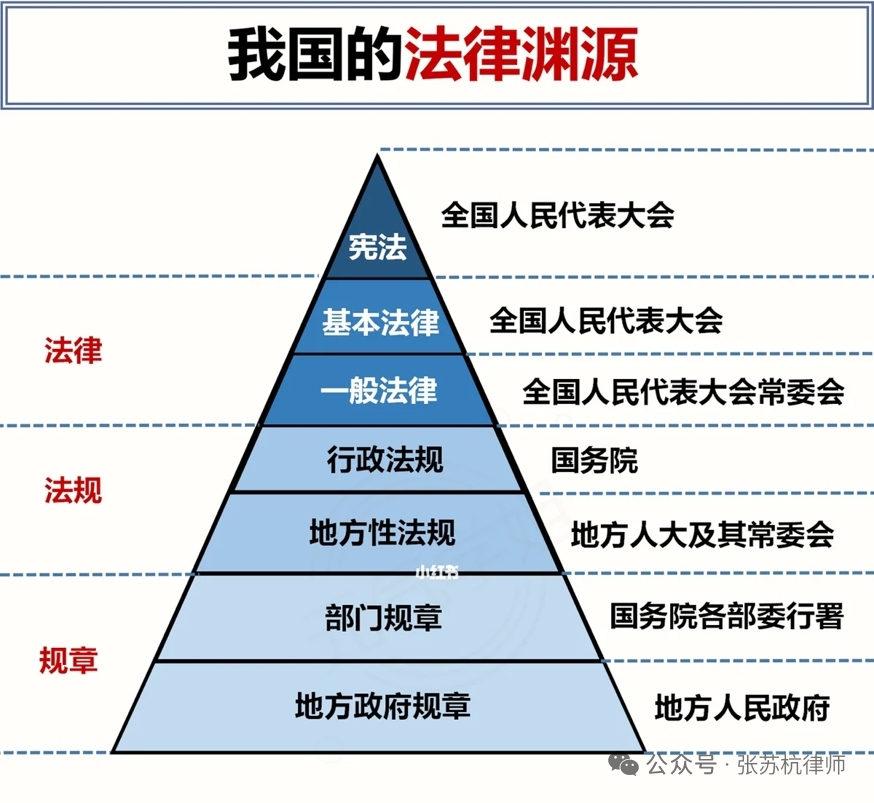
Simply trading cryptocurrencies is a personal action of profit and loss, and has never been a crime. This is a fact, not a consolation.
In short, U has not been banned, the chain has not been sealed, and the coins in your wallet, the exchanges on the chain, playing DeFi, and transferring NFTs are all your own business as long as you do not touch renminbi for cashing out. The regulators are too lazy to manage it and there is no need to.
What truly needs to be uprooted and completely eliminated is the aforementioned exchange channels between renminbi and stablecoins, as well as all illegal financial activities dependent on these channels.
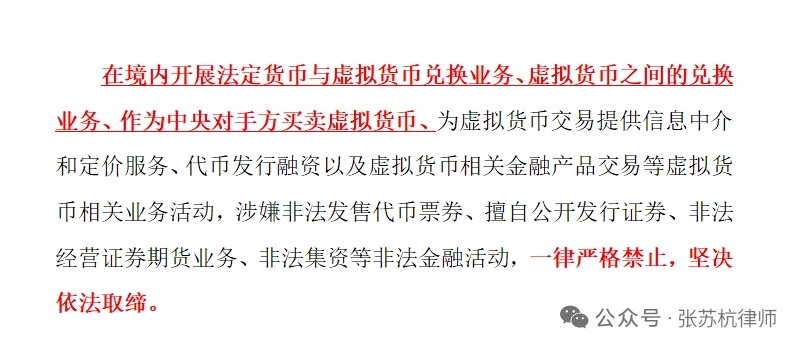
Looking back at the country's regulation of the cryptocurrency space over the past 10 years, from 2013 to 2021 and now, the logic has never changed: the target of regulation is not blockchain, not BTC, ETH, and certainly not small retail investors like you and me.
Regulation has always focused on one thing - stability and stablecoins.
Stablecoins are the lackey of dollar hegemony in the digital world.
USDT and USDC account for more than half of the stablecoin market; they are essentially digital dollars, bypassing foreign exchange controls and cross-border settlements, directly draining renminbi blood on the chain. This causes capital to flow outside, exchange, and transfer assets, which strikes at the root of the renminbi and is the bottom line of the country. Touch it and you must die.
Stablecoins are the father of dark and gray industries.
Telecom fraud, online gambling, money laundering, illegal fundraising - 90% of the money flows, hides, and redeems through stablecoins. If you don’t cut off the inflow of stablecoins, anti-fraud, anti-money laundering, and card cutting are just busywork; they treat the symptoms but not the root cause.
You can't block blockchain, you can't stop virtual currencies; globalization cannot be cut off with a single knife.
Since we can't stop the chain or seal off the coins, the only move is to eliminate stablecoins as the intermediary hub, completely severing the connection between the renminbi and virtual currencies, turning stablecoins into a source-less stream and a rootless tree.
This is the highest level of regulation: not getting entangled with whether you can hold BTC or buy U, which are irrelevant issues, but directly defining the inflow and outflow of virtual currencies and all illegal financial activities: severe crackdown, resolute prohibition.
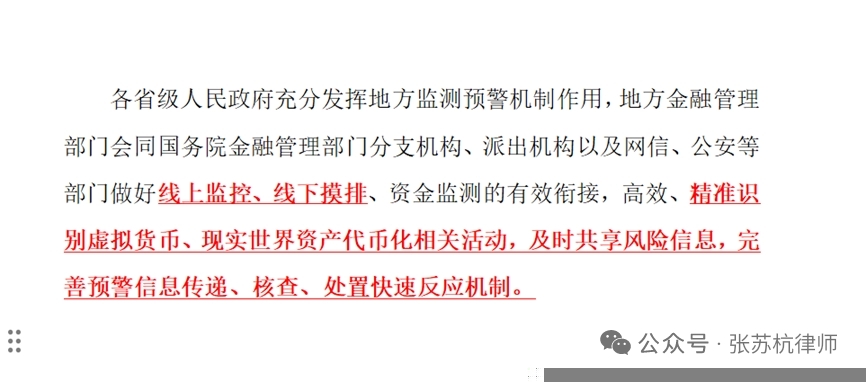
You could say that previously, there were reminders and warnings not to mess around, but now institutions, judicial bodies, and prosecutorial agencies are directly linking up, actively intervening and attacking.
In the future, when banks see remote transfers, late-night payments, fixed amounts, and small splits, freezing accounts and sending 96110 personnel will become the norm.
Although the new regulations do not prohibit you from buying and selling U, they make you afraid to touch it, unable to engage with it, and while not explicitly banning it, they leave you with no way out. This is the most ruthless way to cut off the root.
As for whether you can still trade cryptocurrencies, I can only say that trading cryptocurrencies is your freedom, but the combination of stablecoins and renminbi deposits and withdrawals is a knife hanging over your head.
If you use renminbi to buy U, sell U for cash, find a currency dealer for redemption, or engage in cross-border exchanges of U, you can say you are trading cryptocurrencies, but you can also say you are participating in illegal finance, giving blood to on-chain dollars, and stepping on the red line of the country.
Finally, a piece of advice for all those still in the circle: After the new laws, your right to trade cryptocurrencies remains, the ecosystem on the chain remains, and the value of blockchain remains.
However, the channels for deposits and withdrawals are heavily guarded, fraught with danger.

