
I wasn’t planning to fall into a crypto rabbit hole today.
Honestly, I just opened my laptop to check a few headlines while sipping my tea. One small update caught my eye — something about a zero-knowledge blockchain upgrade. I almost skipped it. The words looked like the usual dense crypto soup.
But then… I paused.
Zero-knowledge again.
I keep seeing that phrase pop up everywhere lately, like some quiet theme running under the whole blockchain space. So, I clicked.
At first, I didn’t fully get what had changed. The update talked about making proofs faster, cheaper, easier for developers. My brain did that thing where it half understands but also kind of floats above the details.
I tried to make sense of it by imagining it in my own terms.
Blockchains normally work like a public diary. Every transaction. Every balance change. Every smart contract action. All written down for anyone to read. Transparency is the point.
But the more I think about it, the more weird that feels.
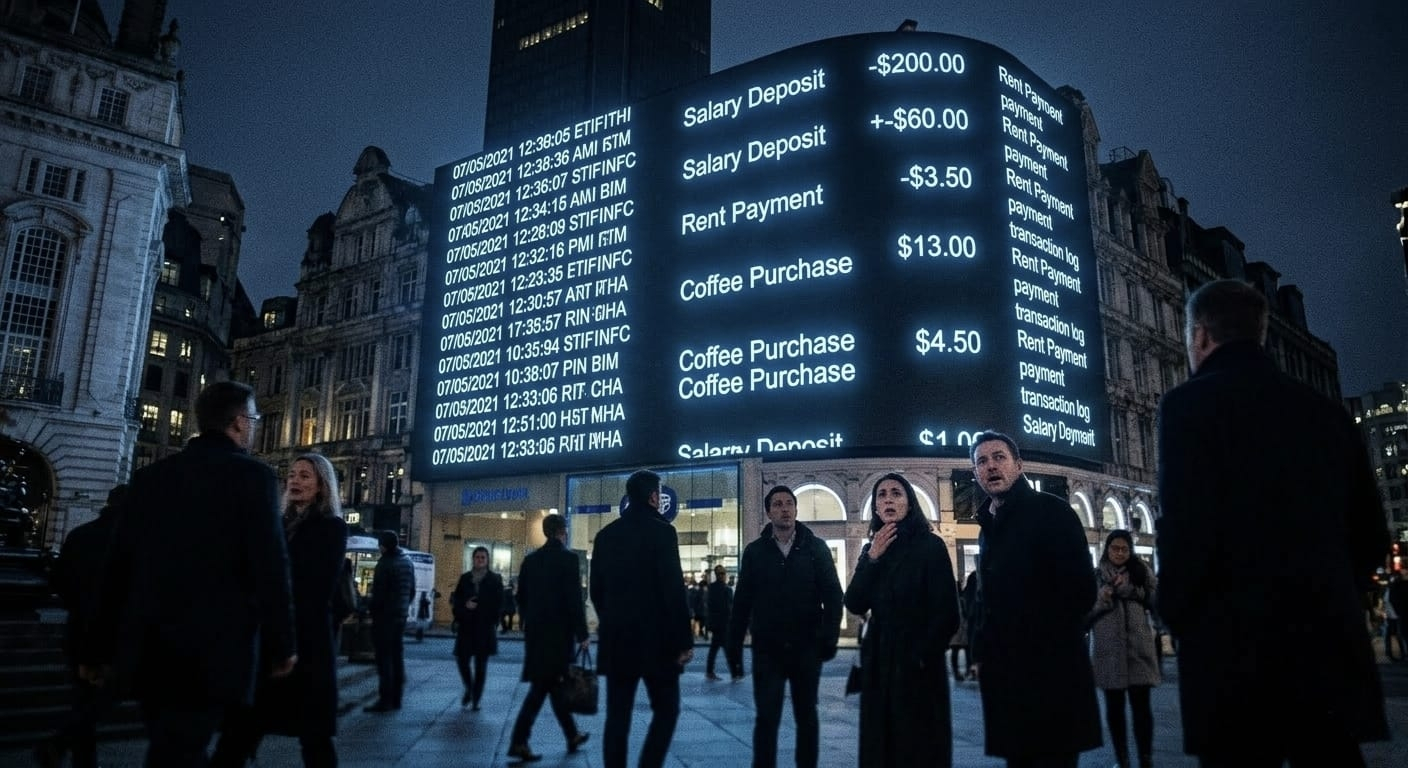
Imagine if your bank statement was posted on a public billboard every single day.
Sure, everyone could check the math. But they’d also know way too much about you.
That’s the weird trade-off crypto started with: trust through exposure.
And this project… it’s trying to break that trade-off.
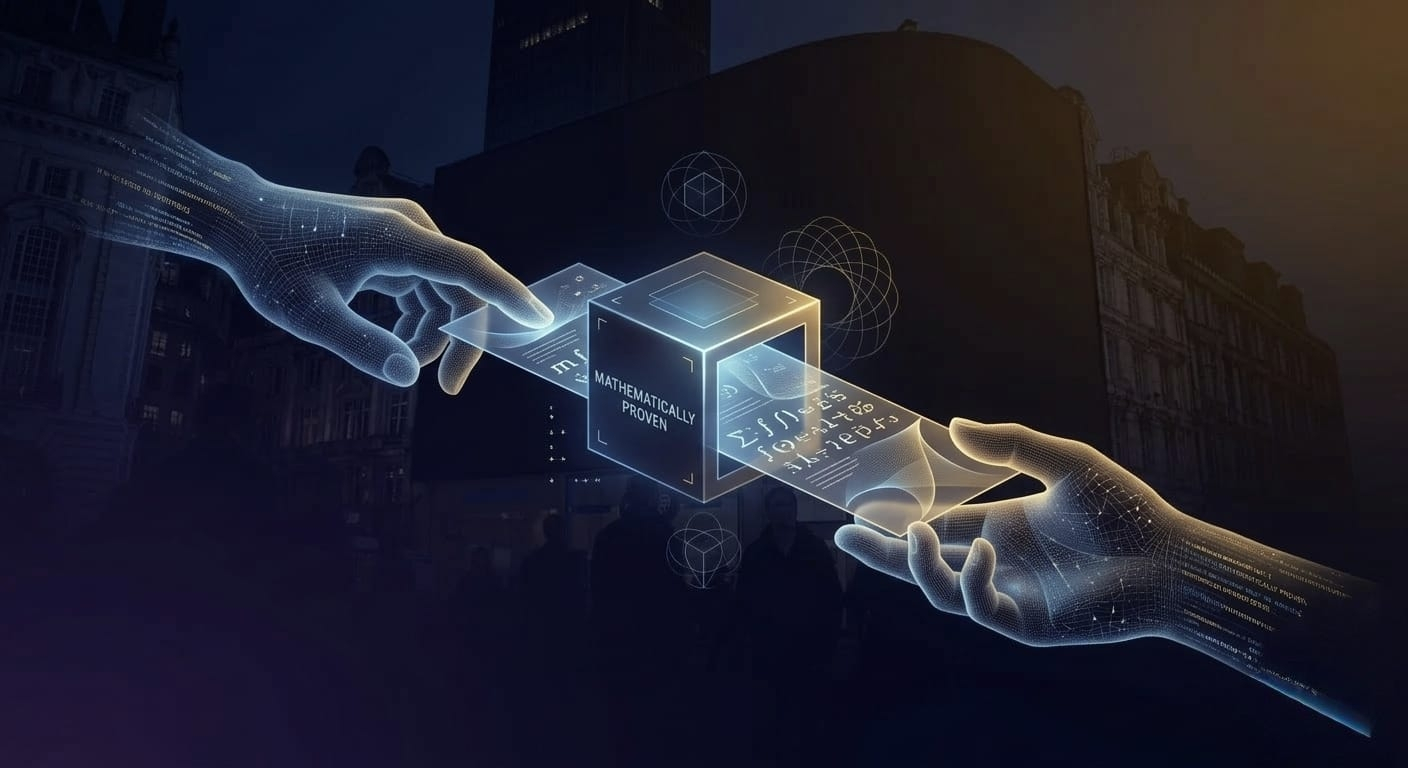
Here’s how I think about it: instead of showing the whole calculation, you just show proof that it was done right.
That’s it.
It’s like turning in homework with a certificate that says, “Yep, these answers are correct.” The teacher doesn’t see your messy work.
Weird. Kind of brilliant.
The update today mostly focused on making that proof system smoother for developers and cheaper for the network. Honestly, it sounds a bit dry.
But then I realized the bigger picture.
If these proofs get fast and cheap enough, blockchains stop being public spreadsheets.
They become… something else.
More like a verification machine.
I pictured a security guard at a building entrance. The guard doesn’t need to know your life story. They just need to know your badge is valid.

Proof. Not disclosure.
That really hit me.
It quietly solves a problem I’ve noticed in crypto for a while.
Everyone says everything should be “on-chain.”
But nobody really wants their life on-chain.
Businesses don’t.
Institutions don’t.
Normal people, definitely not.
Transparency is great for code.
Not so great for personal data.
So zero-knowledge systems… they’re trying to keep the trust but ditch the oversharing.
At least in theory.
I can’t help but feel a little skeptical though.
Generating these proofs is still heavy. Computers have to work hard. And developers have to design special circuits describing exactly what needs to be proven.
Sounds… exhausting.
Like building a custom lock every single time you want to open a door.
Also, crypto history has taught me one thing: elegant ideas don’t always translate into simple products.
There’s always friction. Always.
Still, there’s something subtle happening here.
Early blockchains said:
“Show everything so nobody can cheat.”
Zero-knowledge blockchains say:
“Show nothing — but prove nobody cheated.”
Same goal.
Completely different philosophy.
And the more I think about it, the more that second approach feels like the future.
Less data floating around.
More proofs.
More verification.
Less exposure.
I closed the article and just sat there for a moment. Thinking. Weird, right?
For decades, the internet has been built on collecting everything.
And now, a corner of cryptography is quietly trying to prove things without collecting anything at all.
That idea… it keeps echoing in my head.
