
Fogo becomes much easier to understand when it is viewed less as a typical blockchain and more as a specialized market venue that simply happens to run on chain technology. The entire system feels designed around one central priority, which is speed. Not the abstract idea of time, but the harsh reality of financial markets where being slightly earlier can decide whether an order succeeds or fails. When I looked deeper into how it works, it became clear that speed is not just a feature here, it is the foundation everything else is built on.
The architecture openly explains how validators group into zones, sometimes even operating within the same data center. The goal is simple: reduce latency as much as physically possible so blocks arrive extremely quickly. The project even acknowledges that zone rotation can support strategic optimization by placing infrastructure closer to sources of price sensitive financial information. That detail alone tells me this system is not pretending markets exist in a perfectly equal digital space. Instead, it accepts that markets are physical environments shaped by distance, infrastructure, and access to information.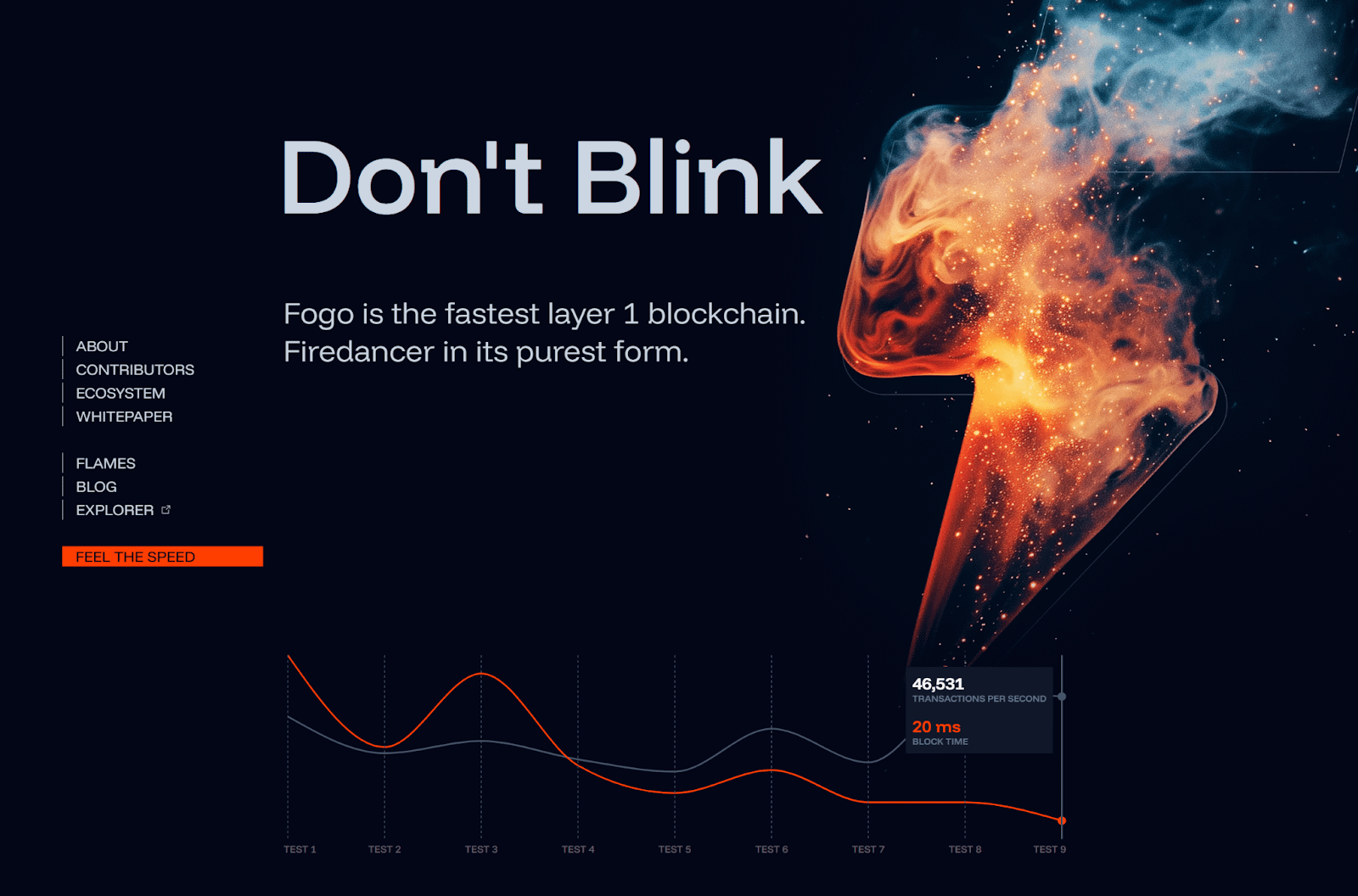
Signals always originate somewhere, networks always have limits, and physics cannot be ignored. Rather than trying to equalize access artificially, Fogo appears to move the trading venue closer to where information is created. In practice, that means the platform itself becomes part of the information flow rather than just a neutral observer.
Controlled Participation and Performance Focus
Another important layer involves who is actually allowed to operate within the network. Fogo clearly states that validators are selected through an approval based process. The reasoning is performance related, since even a small number of weak validators could slow the entire system and prevent it from reaching hardware level efficiency. From my perspective, this shifts the network away from the idea of completely open participation and closer to managed infrastructure.
Permissioned participation is not automatically negative, but it always introduces decision making authority. Someone defines performance standards, someone evaluates reliability, and someone ultimately decides who remains in the system. In a network built for millisecond execution, reliability goes beyond uptime. It includes operating under strict technical requirements, specific geographic conditions, and tightly controlled operational expectations.
People often argue about decentralization in theoretical terms, but here the discussion becomes practical. If performance depends on colocation and specialized infrastructure, then participation depends on capability rather than simple willingness. Capability means funding, operational expertise, and access to physical resources. Naturally, this creates an operator class made up of participants who can meet the demands of speed driven markets.
Market Design Built Into the Core Layer
Fogo also emphasizes vertical integration, which initially sounds like product refinement but actually feels more like structural planning. The system introduces native market primitives such as built in price feeds, an integrated trading environment, colocated liquidity systems, and mechanisms intended to reduce MEV related issues. What stood out to me is not any single feature but the broader direction.
Instead of only hosting markets, the base layer begins to define how markets should function within the ecosystem. When infrastructure embeds a preferred trading model directly into the protocol, incentives naturally follow that structure. The platform does not need to block alternatives outright. It simply makes the native path smoother and more efficient, which gradually pulls activity toward the officially supported model.
That is often how influence works in mature systems. Control rarely appears as restriction. Instead, it appears as optimization that quietly encourages one approach while making others less attractive.
Treasury Influence and Economic Direction
The foundation structure and token allocation add another layer that might seem administrative but carries real strategic weight. Fogo outlines a foundation allocation that is fully unlocked for ecosystem development, while contributor tokens follow longer vesting schedules. When I think about this setup, I see less about pricing speculation and more about influence during the early stages of growth.
A liquid treasury provides resources to guide behavior while the ecosystem is still forming. It can support liquidity programs, incentivize integrations, attract key partners, and accelerate specific use cases. This type of influence does not require direct control. If one path becomes financially rewarding while others struggle, the ecosystem naturally moves in the intended direction.
Cross Chain Access and Structural Dependence
Interoperability plays a similar role. Fogo launched with cross chain connectivity that allows assets to move across networks with relative ease. For a trading focused environment, this acts as the supply infrastructure that feeds activity into the system. The early character of any market venue depends heavily on what assets arrive, how they arrive, and the assumptions they carry with them.
Infrastructure connections create reliance, and reliance creates leverage. Before a system becomes fully self sustaining, the entities managing these connections often hold significant influence over growth and participation patterns.
Speed as Structure Rather Than Marketing
Looking at all these elements together, I see Fogo positioning itself as a high speed market environment where physical infrastructure, admission policies, and built in trading tools all reinforce one objective: extremely fast and predictable execution within controlled conditions.
I can appreciate the transparency of that vision while still questioning how it evolves over time. The real challenges are not about whether the system can achieve speed, but about governance and incentives as value accumulates. Will validator approval remain purely technical once the network becomes economically significant? Who ultimately decides how zone rotation works and what strategic optimization truly means? How transparent are the protections designed to limit MEV, and who benefits most from them? To what extent will treasury incentives shape the economy compared to organic user demand? And when infrastructure dependencies become critical, who actually controls access to those pathways?
Fogo does not simply aim for faster blocks. It builds an environment where speed itself becomes a form of governance, geography turns into an advantage, and participation depends heavily on operational capability. For me, that feels like the core idea behind the project. Beyond narratives or marketing language, it highlights a reality markets have always faced: the fastest systems are not always the most equal, and the platforms that openly acknowledge this tension are often the ones that evolve into real infrastructure.
