
Understanding the Need for Privacy in Web3
Blockchain technology was originally designed around transparency. Every transaction is recorded on a public ledger, visible to anyone who chooses to look. This openness helps build trust, but it can also create challenges when people want to keep certain information private.
Imagine paying for coffee with a digital wallet while the entire café can see your balance and every previous purchase. That level of transparency might feel uncomfortable for many users. In traditional finance, banks protect sensitive data, but public blockchains often expose more information than users expect.
As Web3 continues to grow, more people are entering the ecosystem. Businesses, creators, gamers, and everyday users are exploring blockchain applications beyond simple transfers. With this growth comes the need for tools that balance transparency with personal privacy.
This is where privacy-first blockchain solutions begin to play an important role. Instead of forcing users to choose between openness and confidentiality, newer technologies aim to combine both. The goal is to maintain trust while protecting individual data.
Midnight Network is one example of a project exploring how privacy-focused infrastructure could work within the broader blockchain landscape. By focusing on advanced cryptographic techniques, it aims to create systems where users can interact, build, and share value without unnecessarily exposing sensitive information.
For newcomers to crypto, the idea may sound complex. However, the core concept is simple: people should have control over their digital information. Just like we lock our phones or use passwords online, blockchain users may also want tools that protect their activity while still benefiting from decentralized technology.
Privacy in Web3 is not about hiding wrongdoing. Instead, it is about giving individuals the same digital protections they expect in everyday life.What Makes Midnight Network Different
Many blockchains focus mainly on speed, scalability, or transaction fees. Midnight Network explores a different angle by placing privacy and data protection at the center of its design. The idea is to create an ecosystem where applications can operate while keeping sensitive details secure.
Think of it like sending a sealed envelope instead of a postcard. A postcard can be read by anyone who handles it along the way. A sealed envelope still proves that something was sent, but the contents remain private between the sender and receiver.
Midnight Network aims to bring this “sealed envelope” concept to blockchain transactions and smart contracts. Instead of broadcasting every piece of information publicly, the network allows certain data to remain protected while still verifying that the transaction is valid.
This approach can help developers build applications that respect user privacy without sacrificing the reliability of blockchain systems. It also encourages innovation because builders can design tools that involve confidential data, such as identity verification, secure voting systems, or private business agreements.
Another interesting aspect is the balance between transparency and protection. The blockchain still confirms that actions are legitimate, but it avoids revealing unnecessary personal details. This means users can maintain control over their information while still participating in decentralized networks.
For people exploring crypto for the first time, this concept may feel more comfortable than fully transparent systems. Knowing that sensitive information does not have to be exposed may encourage wider adoption across different industries.
In simple terms, Midnight Network represents a shift toward blockchains that respect privacy while maintaining the security and trust that decentralized technology is known for.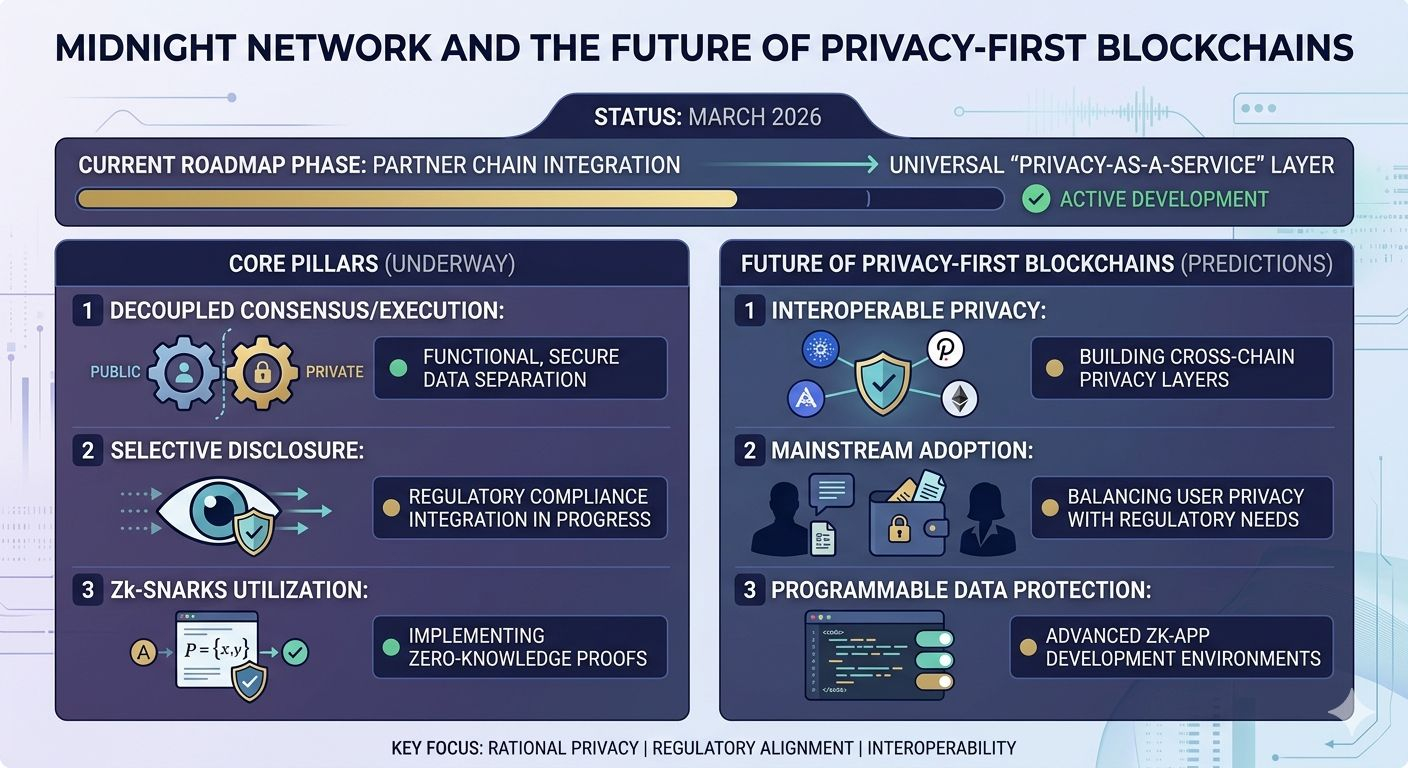
How Zero-Knowledge Technology Helps Protect Data
One of the key technologies behind privacy-first blockchains is something called zero-knowledge proofs. While the name may sound technical, the concept can be understood through a simple example.
Imagine proving you are old enough to enter a movie without showing your exact birthdate. Instead of revealing personal details, you only prove that you meet the requirement. Zero-knowledge proofs work in a similar way on blockchain networks.
They allow one party to confirm that a statement is true without revealing the underlying information. In other words, the system verifies the result while keeping the private data hidden.
For blockchain users, this can be extremely valuable. A transaction can be validated without exposing wallet balances, personal identities, or sensitive contract details. The network still confirms that everything follows the rules, but unnecessary data stays protected.
Midnight Network explores how this cryptographic method can be integrated into decentralized applications. By doing so, it aims to give developers the tools to build systems that protect users while maintaining blockchain integrity.
Think about online identity systems, for example. Instead of uploading personal documents to multiple platforms, a user could simply prove that their identity has been verified without sharing the entire document each time.
Similarly, businesses could interact on blockchain networks without revealing confidential strategies or financial details to competitors. This opens the door to many new types of decentralized applications that were previously difficult to build on fully transparent systems.
Zero-knowledge technology is becoming one of the most exciting developments in Web3 because it allows blockchain networks to evolve beyond simple transactions. It creates the possibility of private, secure, and scalable digital interactions.
Midnight Network is part of the broader movement exploring how this technology can shape the next generation of blockchain innovation.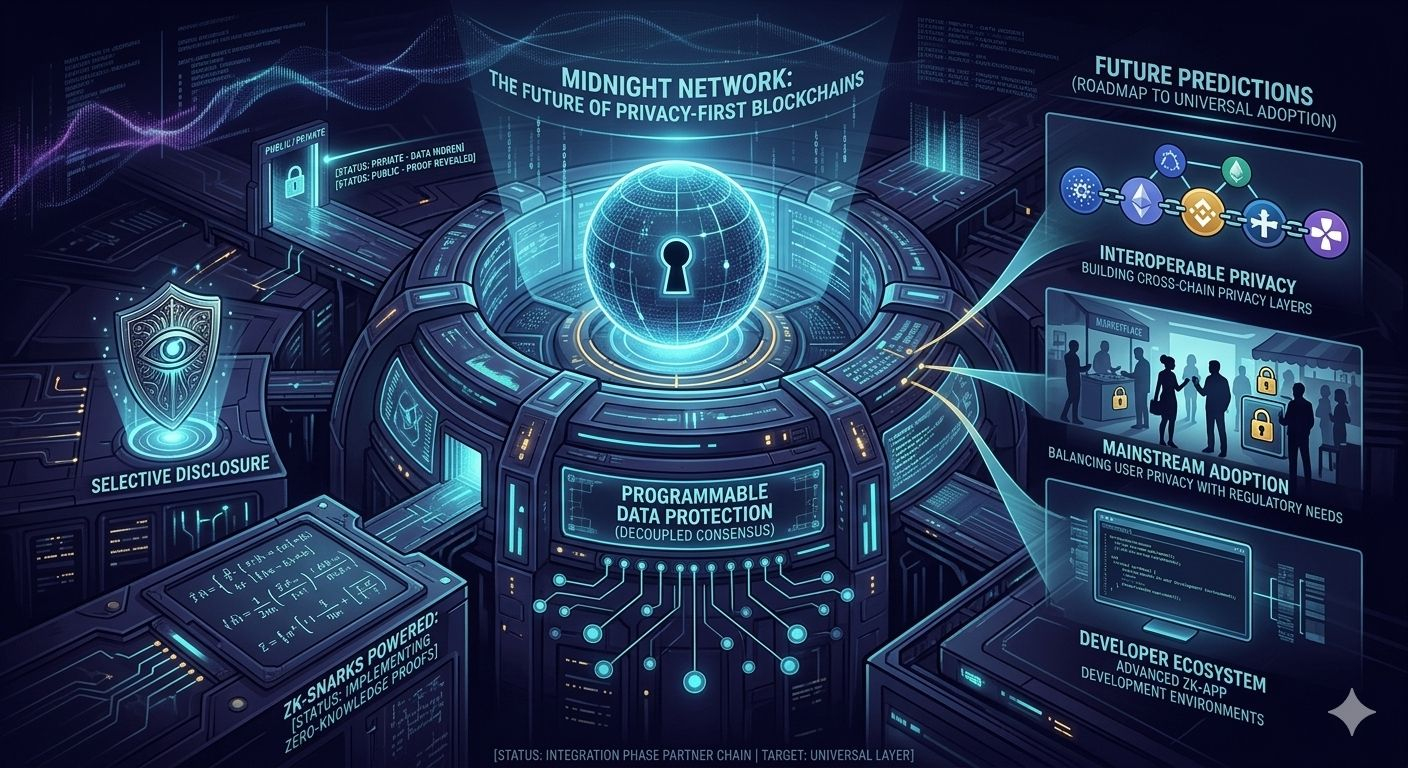
Real-World Use Cases for Privacy-First Blockchains
Privacy-focused infrastructure can unlock many practical applications in everyday digital life. While early blockchain adoption focused heavily on payments, the future of Web3 could involve far more diverse use cases.
One area where privacy matters is digital identity. Today, people often share personal data across multiple platforms just to verify who they are. A privacy-first blockchain could allow users to confirm their identity without exposing unnecessary personal information.
Another example is healthcare data. Medical records contain highly sensitive information that should only be accessible to authorized parties. A blockchain system that verifies data while protecting patient privacy could help hospitals share information securely without risking exposure.
Businesses may also benefit from privacy-preserving blockchain systems. Companies sometimes need to collaborate with partners while keeping internal strategies confidential. With the right infrastructure, they could confirm agreements or transactions without revealing proprietary details.
Gaming and digital ownership are also evolving areas. Players increasingly own digital assets such as in-game items or collectibles. A privacy-focused network could allow players to verify ownership while keeping certain activities or strategies private.
Even voting systems could potentially benefit from this technology. Blockchain-based voting has been discussed for years, but privacy concerns remain. Systems that confirm votes while protecting voter identities may offer new ways to improve transparency and trust.
These examples show that privacy-first blockchains are not only about financial transactions. They are about creating secure environments where individuals and organizations can interact safely.
Midnight Network explores how this type of infrastructure might support a wide range of applications across Web3.
The Role of Developers and the Community
Technology alone does not shape the future of blockchain. Communities, developers, and users play an equally important role in how these systems evolve.
Developers are the architects of the Web3 ecosystem. When they have access to new tools and frameworks, they can create innovative applications that solve real-world problems. Privacy-focused networks expand the possibilities by allowing builders to design products that handle sensitive information responsibly.
For example, developers might create decentralized identity systems, confidential marketplaces, or secure data-sharing platforms. Each new application adds another layer to the growing Web3 ecosystem.
Community participation also matters. Blockchain networks thrive when users test applications, provide feedback, and explore new ideas. Early adopters often help shape the direction of emerging technologies by sharing insights and experiences.
Education plays a major role as well. Many people are still learning about blockchain, digital ownership, and decentralized finance. When communities focus on sharing knowledge rather than hype, the entire ecosystem becomes stronger.
Projects like Midnight Network contribute to these discussions by exploring how privacy can fit into the larger Web3 vision. The conversation encourages developers and users to think about how decentralized technology should evolve.
Instead of asking only how fast or cheap transactions can become, the industry is beginning to ask deeper questions about security, identity, and digital rights.
The answers to these questions will likely shape the next chapter of blockchain development.
Looking Ahead: A More Balanced Web3
The evolution of blockchain technology is still in its early stages. Over the past decade, the industry has experimented with many different approaches to decentralization, security, and scalability.
Now, privacy is becoming a key part of that conversation. As more people use blockchain applications, they expect the same level of data protection they experience in other parts of the digital world.
Privacy-first networks represent one possible direction for the future. By combining transparency with cryptographic protection, they aim to create systems that are both trustworthy and respectful of personal information.
Midnight Network contributes to this broader exploration by focusing on how zero-knowledge technologies can support confidential interactions within decentralized environments. The approach highlights how innovation in cryptography can expand what blockchain systems are capable of doing.
For beginners, the most important takeaway is that blockchain technology is constantly evolving. New ideas, new protocols, and new communities continue to push the boundaries of what decentralized systems can achieve.
Whether through improved privacy, stronger security, or better user experiences, the goal remains the same: building digital infrastructure that empowers individuals and supports open innovation.
As the Web3 ecosystem continues to grow, projects exploring privacy-focused design may play an important role in shaping how people interact with blockchain technology in the years ahead.