There’s a specific silence in conversations with major game publishers about blockchain that tells you everything about why adoption isn’t happening despite years of hype. When you talk to executives at EA, Ubisoft, Activision, Take-Two, or any major publisher, they’ll give you carefully worded responses about exploring opportunities and watching the space and being thoughtful about implementation. What they won’t say directly is the real reason they’re staying away.
Let me tell you what publishers actually think based on conversations that happen only when attribution is impossible.
“Blockchain would cannibalize our most profitable business models and we’re not stupid enough to do that.”
This is the core issue that explains everything else. Modern game publishing is extraordinarily profitable through business models that depend completely on publishers controlling digital economies. Free-to-play games with microtransactions. Live service games with battle passes. Ultimate team modes where players spend thousands on card packs. These systems generate billions because publishers control scarcity, pricing, and every economic lever.
Blockchain with genuine player ownership destroys these business models. Players who truly own items can trade them peer-to-peer. Secondary markets determine prices through supply and demand rather than publisher fiat. Publishers can’t inflate away value by introducing new items because scarcity is verifiable. The economic control that makes current models profitable evaporates.
Publishers understand this perfectly. They’re not confused about blockchain’s potential. They’re making calculated decisions that genuine player ownership would reduce revenue dramatically compared to current extraction models. Why would they voluntarily reduce profitability to give players ownership they’re not demanding?
The public statements about blockchain being early or needing better infrastructure are diplomatic cover for this economic reality. The infrastructure is fine. The business model implications are unacceptable.
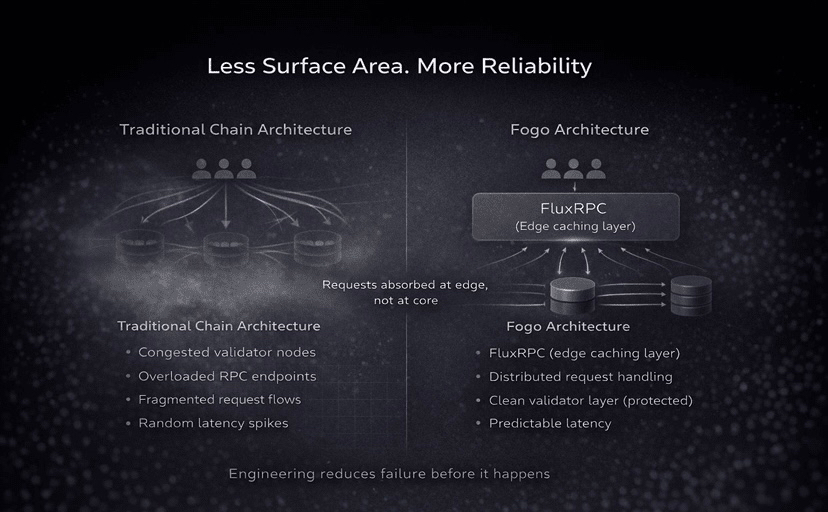
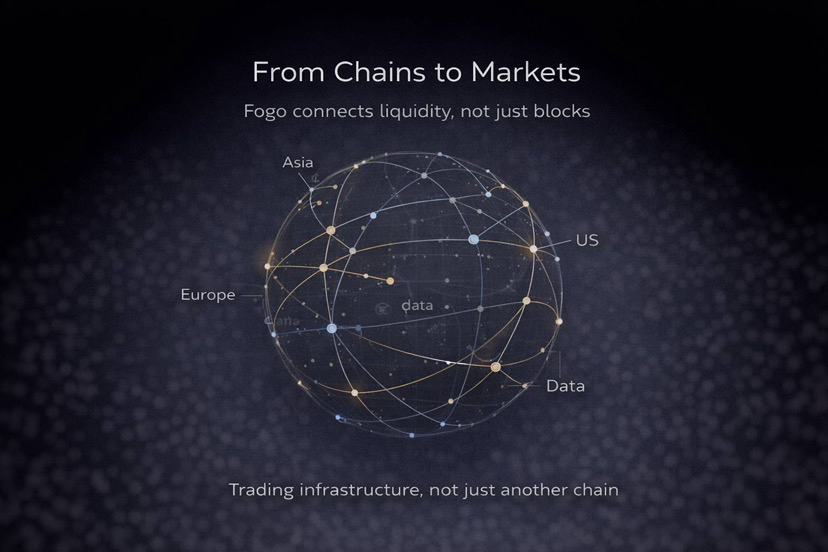
Fogo doesn’t change this calculation because infrastructure improvements don’t address the fundamental conflict between publisher profitability and genuine player ownership. Publishers will adopt blockchain only if forced by competition or regulation, not because better infrastructure makes it technically feasible.
“Our players aren’t asking for this and the ones who are asking are our least valuable customers.”
Publishers segment their player bases extensively. They know which players spend money and which don’t. They know player lifetime values across different cohorts. When they analyze who’s asking for blockchain features, they discover it’s predominantly players who don’t spend much.
The valuable customers who spend hundreds or thousands annually aren’t demanding blockchain ownership. They’re happy with current systems where spending money gets them advantages and status. They’re the audience publishers optimize for because they generate the revenue.
The players loudly demanding blockchain features tend to be either crypto enthusiasts who might not even play the games or players who want ownership specifically to extract value rather than spend money. Publishers see this demographic and conclude blockchain attracts exactly the audience they don’t want while potentially alienating the valuable customers they depend on.
This isn’t about publishers being out of touch with what players want. It’s about publishers being extremely in touch with what profitable players want versus what vocal minorities demand.
“Every blockchain game we’ve watched has failed commercially and we’re not interested in repeating their mistakes.”
Publishers analyze competitors carefully. They’ve watched blockchain games launch with huge marketing, substantial funding, and optimistic projections. Then they’ve watched almost all of them fail to achieve sustainable player bases or revenue.
The few blockchain games that succeeded did so by minimizing blockchain visibility and essentially functioning as traditional games with minor blockchain elements. This proves to publishers that blockchain isn’t the draw. Good gameplay attracts players. Blockchain adds complexity without adding value for mainstream audiences.
Publishers conclude that blockchain gaming is a solution searching for a problem. The market has spoken clearly through years of failed launches. Why should they ignore this evidence because some infrastructure improved? Better infrastructure doesn’t create demand where none exists.
“The regulatory risk is enormous and the potential reward doesn’t justify it.”
Publishers operate globally across jurisdictions with different regulatory frameworks. Adding blockchain creates regulatory exposure across securities law, gambling regulations, consumer protection, money laundering concerns, and evolving crypto-specific regulations.
The legal teams at major publishers have analyzed these risks extensively. Their assessment is that blockchain gaming creates substantial regulatory risk with unclear upside. Even if everything goes perfectly, they might make similar revenue to traditional models while accepting significantly higher legal risk and compliance costs.
Risk-adjusted returns on blockchain gaming are terrible compared to traditional approaches. Publishers aren’t risk-averse generally but they’re sensibly reluctant to accept new risk categories without compelling financial incentives. Blockchain provides those risks without the incentives.
“Our shareholders would crucify us if we jeopardized current revenue for speculative blockchain bets.”
Public companies answer to shareholders who care about consistent revenue growth and profitability. Current game business models deliver this. Blockchain represents speculative bet that might reduce current revenue while maybe eventually generating different revenue.
CFOs and CEOs cannot justify to boards and shareholders why they would risk proven revenue streams to experiment with unproven models. The conservative fiduciary approach is continuing what works until forced to change by competitive necessity.
If blockchain gaming were clearly the future and competitors were winning by adopting it, publishers would have no choice but to follow. But that’s not happening. Blockchain games aren’t taking meaningful market share. Publishers can safely ignore blockchain without competitive consequence.
“The technology still doesn’t actually work well enough for our quality standards.”
Publishers have quality bars that blockchain implementations struggle to meet. Transaction speeds need to be truly instant not two-second finality. Costs need to be literally zero to players not fractional cents. Scalability needs to handle millions of concurrent users without any degradation. Security needs to be absolutely bulletproof because any breach destroys brand value.
Current blockchain infrastructure including improved platforms doesn’t meet these standards consistently enough for publishers to bet major franchises on it. Publishers need technology that works perfectly every time at massive scale. Blockchain isn’t there yet even with better infrastructure.
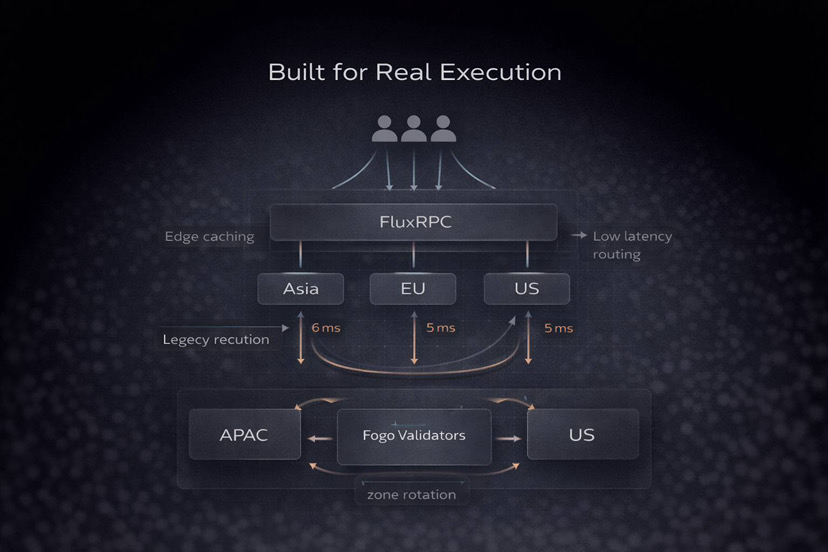
Fogo improved performance significantly but “significantly better than other blockchain platforms” isn’t the same as “good enough for Call of Duty or FIFA.” Publishers need technology that’s good enough for their most demanding use cases not just better than previous blockchain options.
“We can implement the features players actually want without blockchain.”
When publishers analyze what players care about, they find that actual demand is for features blockchain isn’t necessary for. Players want fair progression systems. Publishers can build those without blockchain. Players want rare items to feel special. Publishers can create that through controlled scarcity without verifiable ownership. Players want trading. Publishers can implement marketplace features without blockchain infrastructure.
The benefits blockchain provides are solutions to problems publishers don’t have or that they’ve already solved adequately through traditional means. Why add complexity of blockchain when simpler solutions deliver what players actually value?
“Blockchain attracts the wrong kind of player behavior and community dynamics.”
Publishers have watched blockchain games develop communities dominated by economic speculation rather than gameplay enjoyment. Players obsess over token prices and NFT values instead of discussing strategy or sharing cool moments. The community dynamics become finance-focused rather than game-focused.
This creates toxic community culture that publishers spend enormous resources trying to avoid in their games. They want communities bonded by shared love of gameplay not united by profit-seeking behavior. Blockchain seems to reliably create the wrong community dynamics regardless of game quality.
Publishers can’t say this publicly because it sounds elitist or dismissive of player interests. But internally they’re very clear that blockchain attracts community types they actively try to avoid in their games.
“The implementation costs are enormous and the benefits are unclear.”
Publishers have done detailed implementation analysis. Integrating blockchain into existing franchises requires massive engineering effort. Rebuilding backend systems. Training teams on new technology. Creating entirely new operational procedures. Adding legal and compliance overhead. Building customer support for blockchain-specific issues.
These costs run into tens of millions before generating any revenue. The business case requires showing clear benefits justifying this investment. Publishers cannot make that business case with current market evidence. Speculative benefits about future player ownership don’t justify concrete costs today.
“We’re waiting for someone else to prove this works before we commit resources.”
This is the honest strategic stance most publishers take. Let smaller studios and crypto-funded startups experiment with blockchain gaming. If someone proves it works and gains meaningful market share, publishers can quickly follow with superior resources and execution.
Being first in blockchain gaming provides no meaningful advantage. The technology isn’t proprietary. The expertise can be hired. If blockchain gaming proves viable, publishers can enter the market rapidly. If it fails, they avoided wasting resources.
This wait-and-see approach is completely rational for established publishers with profitable businesses. Innovation is for those with nothing to lose. Preservation of successful models is for those with everything to lose.
“Honestly we’re hoping this whole thing just goes away.”
Some executives say this directly when speaking privately. Blockchain gaming creates pressure to respond and take positions and explain strategies around technology they think is mostly distraction. They’d prefer everyone forgot about blockchain and focused on traditional game development where they have proven advantages.
The continuing hype around blockchain forces them to have blockchain strategies and answer blockchain questions and allocate some resources to blockchain exploration even though they’d rather ignore it entirely. It’s organizational overhead they’d eliminate if possible.
All these perspectives reveal that major publishers aren’t abstaining from blockchain because infrastructure is inadequate or because they don’t understand the technology. They’re making calculated decisions that blockchain threatens their business models, attracts wrong audiences, creates regulatory risk, requires enormous investment, and hasn’t proven value despite years of experimentation.
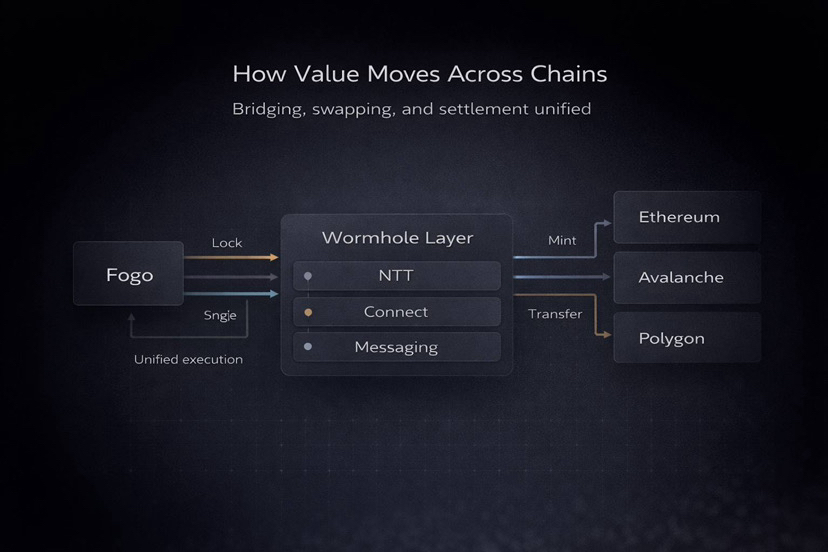
Fogo and infrastructure improvements don’t address most of these concerns. Better technology doesn’t change that blockchain cannibalized profitable business models. Faster transactions don’t change regulatory risk. Lower costs don’t change that publishers can implement desired features without blockchain complexity.
The path to publisher adoption probably doesn’t run through better infrastructure. It runs through either competitive pressure from blockchain games winning significant market share or regulatory requirements forcing player ownership. Neither seems imminent. So publishers will continue watching from sidelines while maintaining diplomatic public positions about exploring opportunities.
The blockchain gaming advocates waiting for major publishers to validate the market will probably wait indefinitely. Publishers have clear rational reasons to avoid blockchain that infrastructure improvements don’t address. Understanding these real objections rather than dismissing them as ignorance might lead to more productive conversations about what blockchain gaming actually needs to succeed beyond better technical infrastructure.