

There was a moment during the Midnight rollout that didn't get much attention, but it's been stuck in my head for months. Last September, the team took their smart contract language, Compact, and handed it over to the Linux Foundation Decentralized Trust, renaming it Minokawa after a mythical bird from Philippine folklore that swallows the sun.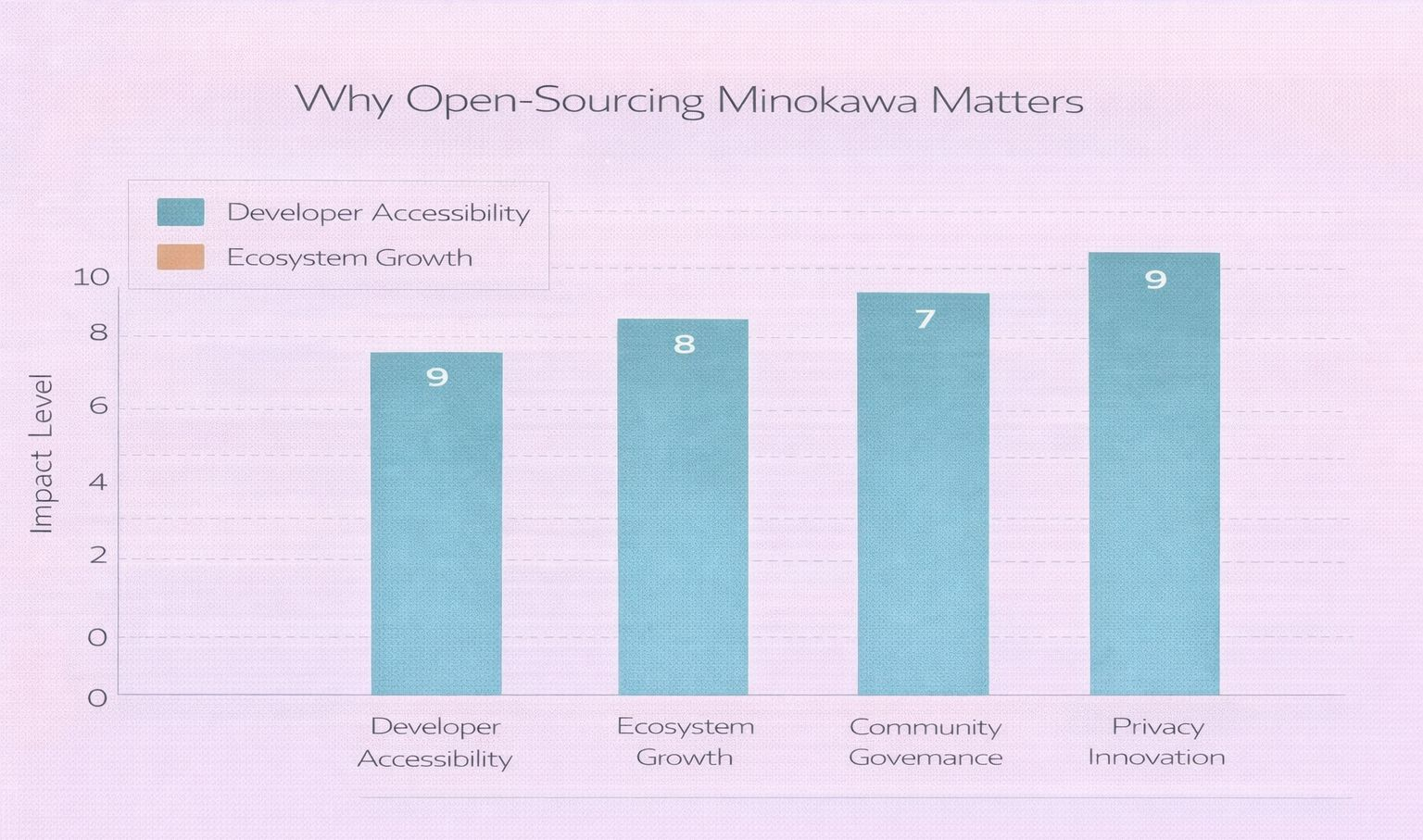
On the surface, this sounds like bureaucratic paperwork. Another project joining another foundation. Yawn.
But the more I think about it, the more I realize this might be the most important thing Midnight has done yet.
Most blockchain projects hoard their tech like dragons guarding gold. They want you to build on their chain, use their tools, stay inside their walled garden. It's understandable. They're trying to build ecosystems, capture value, create moats.
By contributing Minokawa to an open-source foundation, Midnight is essentially saying: this language isn't ours anymore. It belongs to anyone who wants to build privacy-preserving applications, anywhere .
That's a radically different mindset.
The name itself feels intentional. Minokawa is a creature that eclipses the sun hiding light without extinguishing it. That's exactly what good privacy should do. Obscure selectively, not destroy. The language is designed so that any data from private sources is treated as confidential by default, and developers must explicitly use the "disclose" keyword to reveal anything . It builds privacy into the DNA rather than bolting it on later.
I've watched too many promising protocols die because they refused to let go. They kept control, limited contributors, and eventually faded into irrelevance. Midnight seems to understand that real longevity comes from decentralization not just of validators, but of the code itself.
The Linux Foundation partnership adds credibility too. This isn't some random DAO with three developers and a dream. The LF Decentralized Trust hosts serious infrastructure projects. By submitting Minokawa to their stewardship, Midnight is submitting to peer review, open governance, and community scrutiny . That's how you build something that lasts.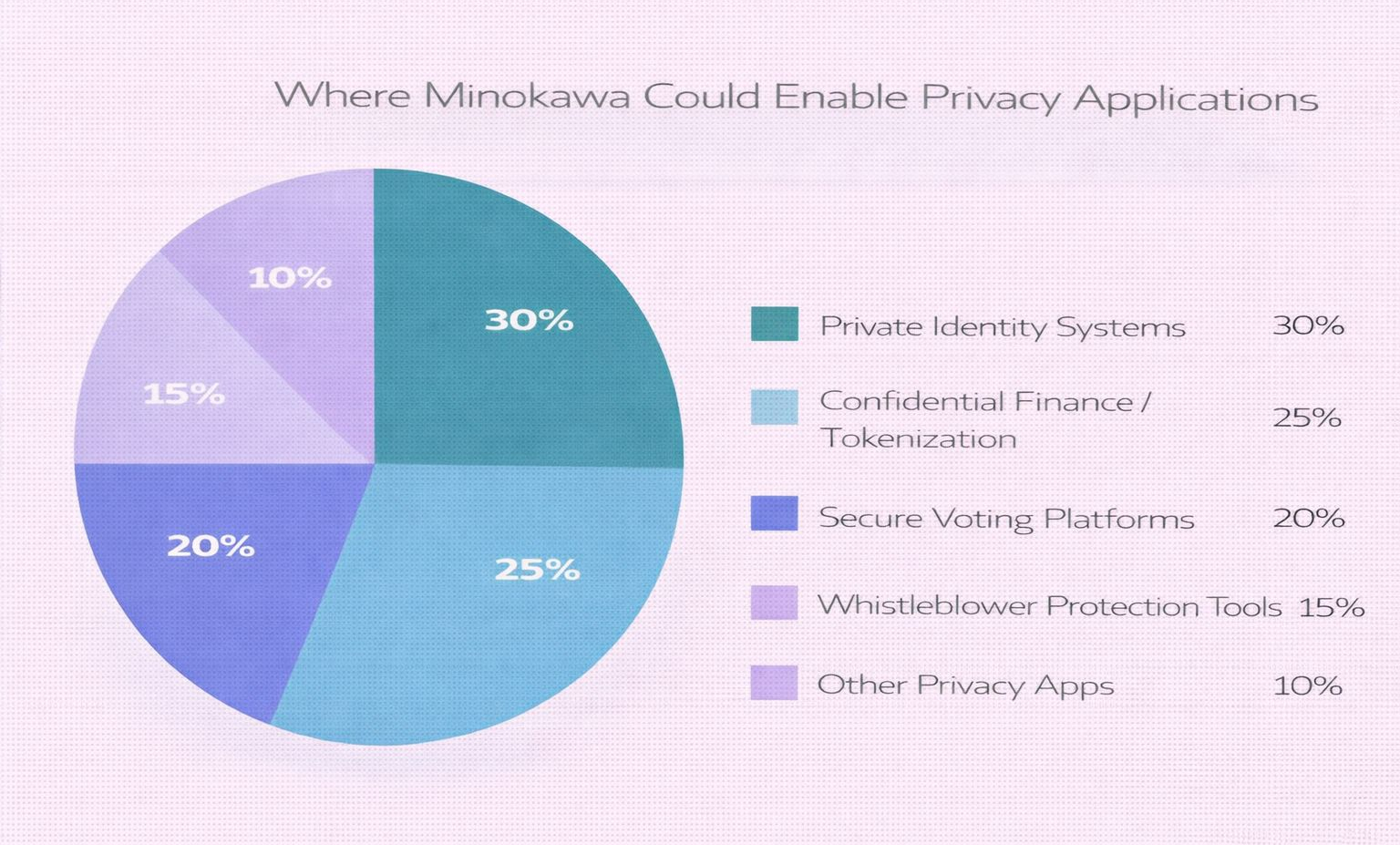
What excites me most is what this enables. Because Minokawa abstracts away the complexity of zero-knowledge proofs, regular web developers can now build privacy apps using familiar TypeScript-like syntax . The compiler handles the cryptographic heavy lifting automatically. This lowers the barrier for the kinds of applications I actually want to use private voting, confidential tokenization, whistleblower platforms, self-sovereign identity .
Giving away your language to a neutral foundation is an act of faith. It says: we believe this technology matters more than our control over it. We believe privacy is a public good, not a proprietary feature.
In an industry obsessed with extraction and rent-seeking, that's refreshing. Minokawa won't make headlines like token listings or exchange announcements. But decades from now, when we look back at what actually moved the needle for privacy, I suspect this quiet gift will be part of the story.