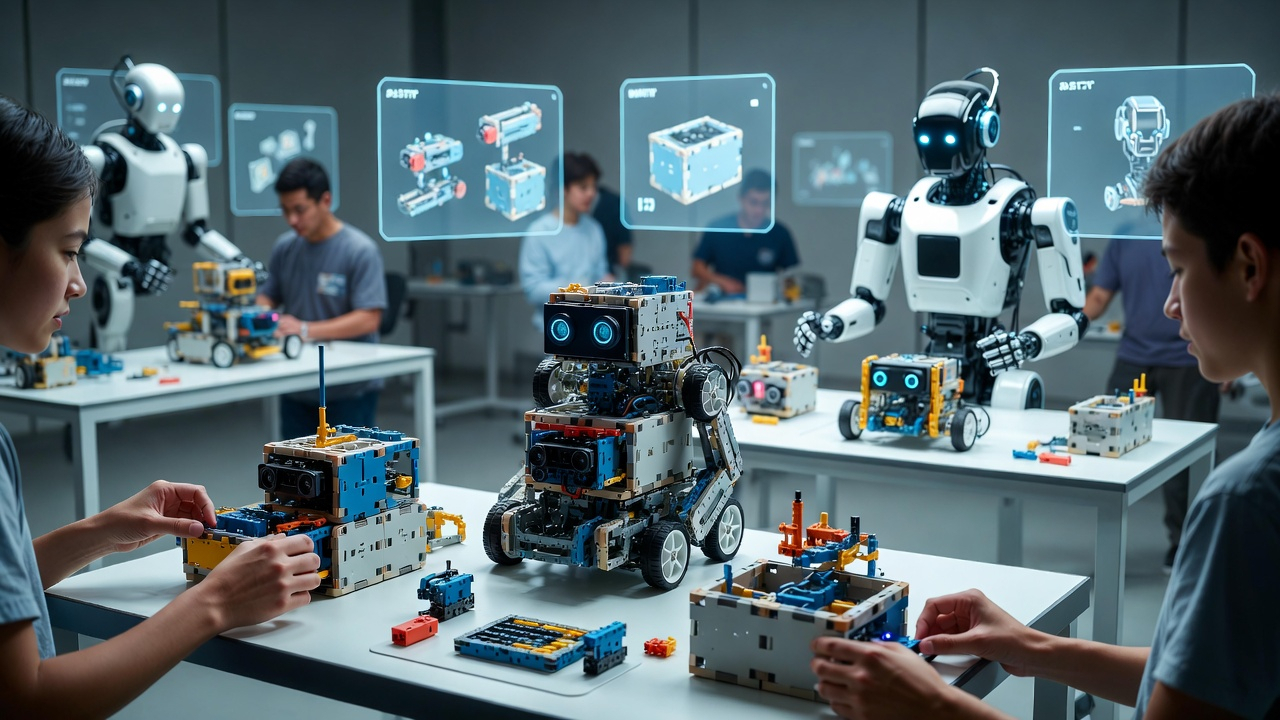
Artificial intelligence and robotics are rapidly transforming how the world builds machines, automates tasks, and solves complex problems. A powerful initiative in this field is OM1 which is part of the vision created by OpenMind. OM1 represents an open source approach to AI robotics where innovation is not limited to a small group of companies or laboratories. Instead it opens the door for developers, researchers, engineers, and creators around the world to collaborate and build intelligent robotic systems together.

OM1 is designed as a cross hardware modular platform that makes robotics development simpler, more flexible, and accessible. Traditionally robotics systems have been difficult to build because every robot requires different hardware drivers, communication protocols, and control frameworks. Developers often spend significant time writing basic infrastructure before they can even begin experimenting with artificial intelligence or automation features.

The OM1 platform changes this process by creating a unified environment where robots of different types can operate on a common architecture. Whether the hardware includes drones, robotic arms, autonomous vehicles, or service robots, the platform provides a structure that allows developers to focus on innovation instead of low level integration problems. This cross hardware compatibility means the same software modules can work across multiple robotic systems with minimal modification.

Another major advantage of OM1 is its modular design. Robotics development often requires combining many different components such as perception systems, navigation models, sensor processing, machine learning algorithms, and motion control logic. OM1 organizes these components into modular building blocks that developers can easily plug together. Each module can be improved, replaced, or upgraded without disrupting the entire robotic system.
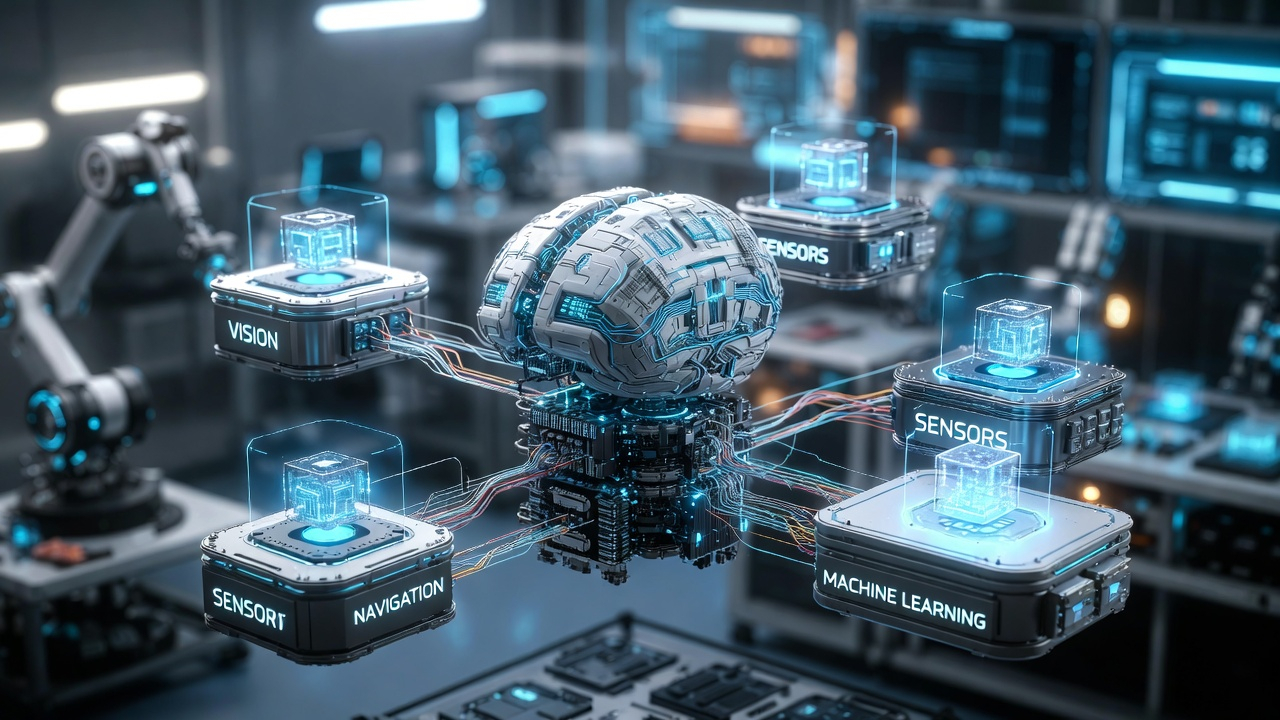
This modular architecture encourages experimentation and rapid development. Developers can test new artificial intelligence models for vision, decision making, or navigation while keeping the rest of the robotic system stable. As a result innovation cycles become faster and robotics projects become easier to manage.

Open source collaboration is a core principle behind OM1. By making the platform open and community driven, the creators aim to remove barriers that traditionally limit robotics research. Developers from universities, startups, independent labs, and hobbyist communities can all contribute improvements, share modules, and build upon each other’s work.
This collaborative model accelerates progress in AI robotics because knowledge is shared rather than isolated. A developer who builds a new object detection module or navigation algorithm can publish it for others to use. Another developer can extend that module, improve its performance, or integrate it into a completely different robotic application. Over time the ecosystem grows stronger and more powerful.