

The phrase “The Network Designed to Organize the Robot Economy” sounds futuristic, but the reason traders and developers are suddenly paying attention is actually very practical. A lot of crypto projects promise a grand vision. Far fewer try to solve the boring, painful parts of building. Fabric Protocol, the network behind ROBO, is getting attention because it is pitching itself as infrastructure for robots and AI agents that need identity, payments, verification, and coordination without forcing developers through a maze of custom plumbing. That developer friction is real, and it has slowed adoption across both robotics and Web3 for years. 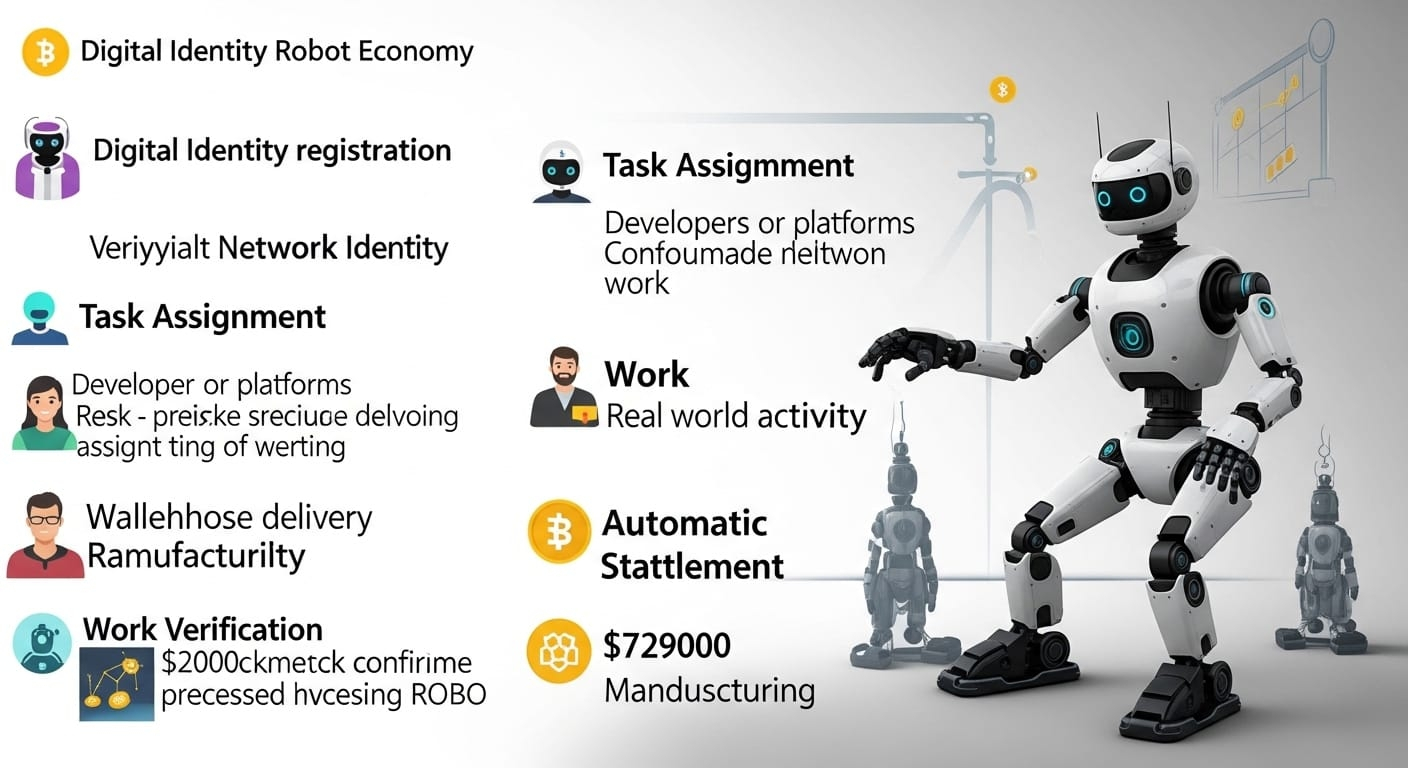
From a market angle, the project is trending because the story sits right at the intersection of two hot narratives: AI and crypto infrastructure. As of the latest live market data, ROBO is trading around $0.04, with a market cap near $89 million and roughly $46 million to $55 million in 24-hour volume, which tells you this is no longer an ignored microcap experiment. The momentum also picked up after Binance announced a spot listing for ROBO on March 4, 2026, opening pairs against USDT, USDC, and TRY. When a fresh token gets that kind of liquidity event, traders notice fast.
But price action only explains the excitement on the surface. The deeper reason is that Fabric is trying to simplify how developers build machine-based applications. In plain English, the network wants robots and AI systems to have wallets, identities, payment rails, and rules for proving work. That matters because a robot cannot walk into a bank and open an account, and developers do not want to build identity, settlement, and coordination layers from scratch every time they ship a robot product. Fabric says network fees, identity, and verification will be handled through ROBO, with the network starting on Base before eventually moving toward its own Layer 1 as adoption grows.
This is where the story becomes more than marketing. OpenMind’s OM1, the broader software stack tied to this ecosystem, is described as a modular AI runtime built in Python with plugin-based hardware support and web-based debugging tools. For developers, that is the kind of language that matters. Simplicity matters. Modularity matters. Easy debugging matters. Anyone who has touched robotics knows the pain: one part of the stack breaks, then three more things stop talking to each other. If a network can reduce that mess by giving developers a cleaner starting point, that is meaningful progress, not just a nice slogan.
A simple real-life example makes this easier to picture. Imagine a warehouse team deploying a small fleet of delivery robots. Today, the developers might need separate systems for robot permissions, usage logs, task payments, and verification that work was actually done. That means more code, more vendors, more failure points, and more delay. A network built to organize the robot economy is basically saying: let the robot prove what it did, let the payment settle automatically, and let the developer focus on the application instead of the pipes underneath. As a market observer, I think that is why the idea lands. It speaks to builders’ headaches, not just investors’ dreams.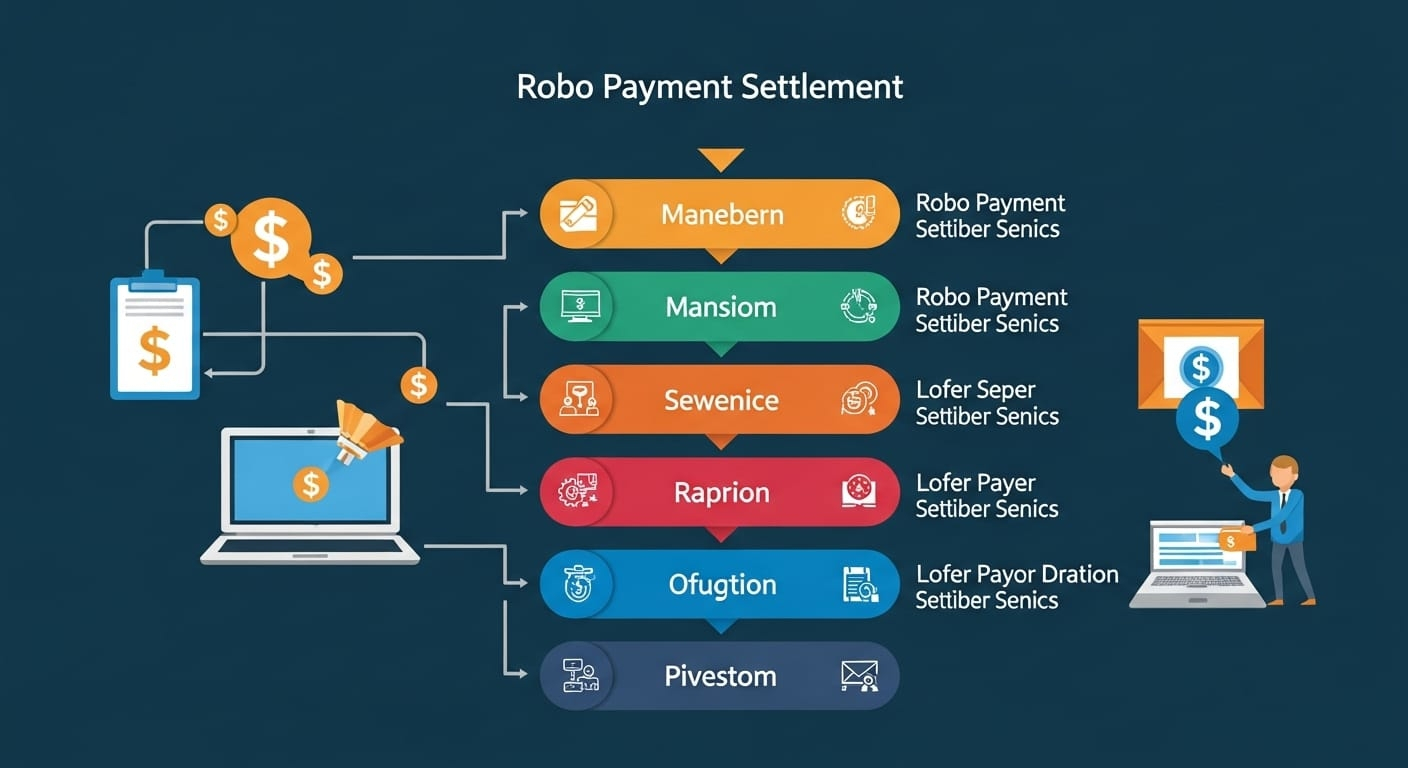
There is still plenty of risk here. Binance itself labeled ROBO with a Seed Tag, which is its way of warning that the asset is newer and likely more volatile. So this is not a mature, proven network yet. It is an early infrastructure bet. Still, the progress is tangible: token launch, active exchange listings, live market liquidity, public token design, and an open developer stack already visible on GitHub. In crypto, that combination is enough to keep a project on traders’ screens. In robotics, it may be enough to get developers curious. And curiosity, when it meets reduced friction, is often where real adoption starts.
@Fabric Foundation #ROBO $ROBO
