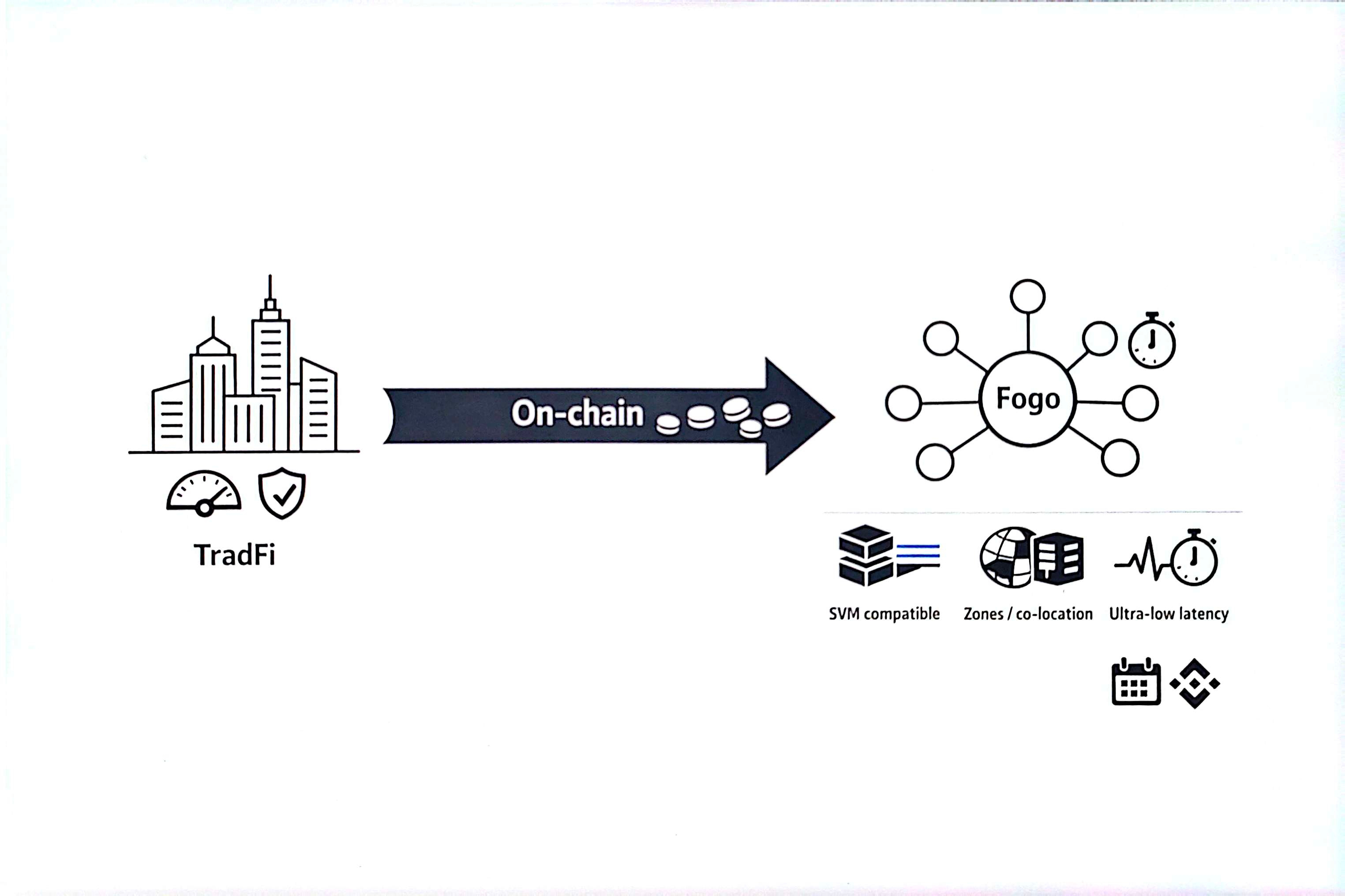
I have watched the gap between traditional finance and decentralized protocols for years. While retail traders are happy with second-long confirmation times, the big players in high-frequency trading cannot touch anything that slow. They need the kind of speed that allows for instant liquidations and real-time risk management. Fogo is the first network I have seen that actually builds for this specific crowd by hiring the very people who ran the desks at firms like Citadel and Jump Crypto.
The Friction of Modern Trading
The non-obvious problem in crypto today is not just speed, but the friction of the user experience. Most traders hate signing every single transaction or worrying about gas fees while they are trying to catch a fast-moving market. This friction creates a "latency tax" that keeps institutional capital on the sidelines. Fogo addresses this by integrating account abstraction directly into the ecosystem through a feature called Fogo Sessions. It allows you to sign in once and trade freely without constant interruptions, making the on-chain experience feel as smooth as a centralized exchange.
A Two-Tier Security Model
Fogo uses a unique two-tier key system to keep the network secure while moving at breakneck speeds. Every validator has a global key for long-term identity and governance, but they also use separate zone-specific keys for daily consensus. These zone keys rotate frequently, which means if one is compromised, the attacker cannot steal the validator's stake or take over their identity. This setup allows validators to move between data centers in different parts of the world without exposing their most sensitive credentials.
The Reality of Curated Networks
The biggest tradeoff Fogo makes is moving away from the idea that anyone should be able to run a validator on a home computer. To hit 40-millisecond block times, you need high-end hardware and massive bandwidth. Fogo uses a curated set of 19 to 30 approved validators to ensure the network never slows down because of one weak link. While this is more controlled than a fully permissionless chain, it is a necessary choice to provide the sub-100ms latency that institutional-grade finance requires.
Tracking the Institutional Inflow
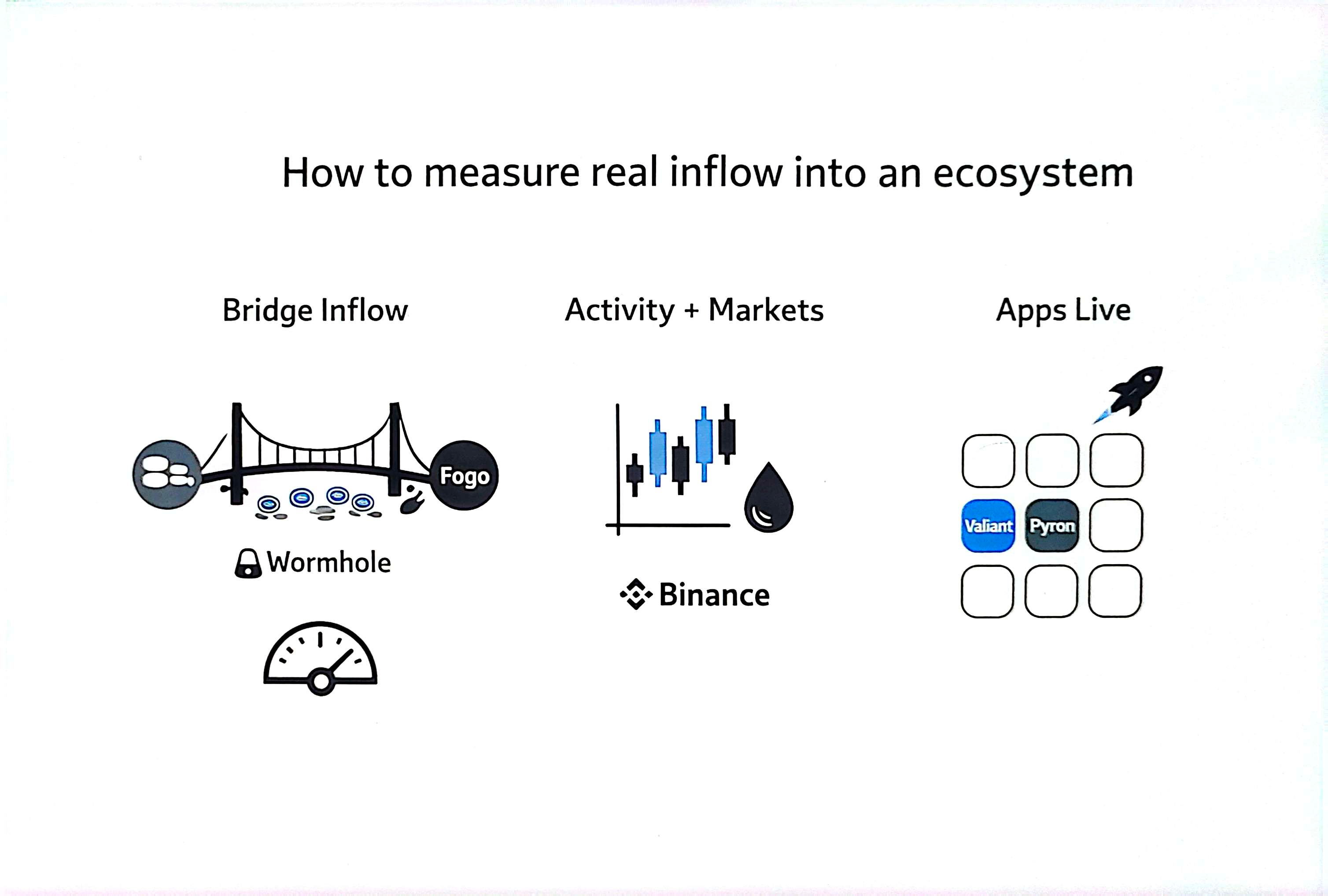
To see if this strategy is working, you should look at the quality of the protocols launching on the network. At mainnet launch, Fogo already had over 10 applications live, including the Valiant DEX and lending protocols like Pyron. You can also track the activity on Binance, where the FOGO token is listed, to gauge market interest. The real indicator of success will be the volume of assets bridged from other chains via Wormhole, as this shows that capital is actually moving into the Fogo environment for its performance benefits.
Bottom Line
Fogo is a specialized execution layer designed to bring the efficiency of Wall Street to a decentralized setting. By focusing on high-frequency trading needs and institutional security, it creates a space where professional strategies can finally run on-chain without compromise. It is a calculated bet that the future of finance is not just decentralized, but also incredibly fast.