
Among the many crypto projects competing for attention, Fogo stands out as one of the few that genuinely sparked my curiosity. At its core, Fogo is a bold experiment built on the Solana Virtual Machine (SVM), asking a difficult but important question: can a network deliver the speed and fairness professional traders demand without compromising decentralization?
Much has already been said about its architecture and tokenomics, so instead of repeating that groundwork, this piece focuses on what truly differentiates Fogo — how it treats liquidity, infrastructure, and real trading behavior.
A Cross-Chain Design from Day One
Fogo’s team doesn’t believe a trader-first chain can exist in isolation. Liquidity is fragmented across ecosystems, and any serious trading venue must allow assets, data, and messages to move freely between networks. That philosophy led to a deep integration with Wormhole, enabling seamless cross-chain functionality.
By January 2026, the Portal Bridge was live for transfers into and out of Fogo. What followed wasn’t a simple bridge integration, but a full suite of cross-chain tools.
Native Token Transfers (NTT) allow assets to move between chains while preserving their native properties. Tokens are locked on the origin chain and represented on the destination chain without relying on unverified third-party bridges — a major advantage for traders managing large liquidity positions.
Wormhole Connect simplifies the user experience further. Instead of juggling multiple interfaces, users can bridge, swap, and unwrap assets in a single action. A trader can realize profits in FOGO, swap into USDC, and settle on Ethereum in one click. It’s pragmatic design, focused on reducing friction.
The real innovation, however, lies in cross-chain queries and messaging. Smart contracts on one network can verify positions or trigger actions on another. Lending protocols can check collateral across chains, insurance contracts can validate coverage automatically, and trading strategies can execute across ecosystems without manual intervention.
For traders, this isn’t a feature — it’s a structural upgrade.
Blaze: Incentivizing Liquidity Where It Lives
To accelerate cross-chain liquidity, Fogo introduced Blaze, a staking program powered by Wormhole. Users can stake assets like WETH, stETH, or FOGO across chains such as Ethereum and earn points that may translate into future rewards or airdrops.
Blaze is promoted through Wormhole’s Portal Earn and has driven significant inflows since late 2025. While the points don’t guarantee direct monetary value, they effectively reward early adopters and encourage capital to move through Wormhole Connect.
Infrastructure That Matches Trading Reality
Performance only matters if users can feel it. One of the biggest hidden bottlenecks in blockchain UX is the RPC layer — the gateway wallets and dApps use to interact with the chain.
Fogo’s answer is FluxRPC, a high-performance RPC architecture that separates API services from validator consensus. With edge caching and intelligent load balancing, requests are served from nearby data centers rather than a single endpoint. This design absorbs traffic spikes, rate-limits abuse, and protects validators from overload.
Developers can also stream blockchain state in real time, allowing trading bots to react faster than traditional REST-based systems. The goal is clear: reliability that rivals centralized exchanges.
Tokenomics Built for Long-Term Alignment
Fogo’s supply structure emphasizes alignment rather than short-term incentives:
Core contributors are fully locked at launch, with vesting beginning after a 12-month cliff
Ecosystem funds support grants and incentives
Community ownership includes public sales and airdrops with long-term vesting
Institutional investors and advisors follow extended vesting schedules
A portion of supply is permanently burned, reinforcing scarcity
Roughly two-thirds of the supply unlocks gradually over four years, reducing inflation shocks while still enabling ecosystem growth.
Sessions: DeFi Without the Friction
One of Fogo’s most user-centric features is Sessions. Users approve a session once, define limits and permissions, and then allow apps to execute multiple actions without repeated wallet pop-ups.
Orders, cancellations, reward claims — all can happen automatically within defined constraints. Sessions expire by time or can be revoked instantly, offering more safety than unlimited token approvals while delivering a CEX-like experience.
Validator Design and Performance Tradeoffs
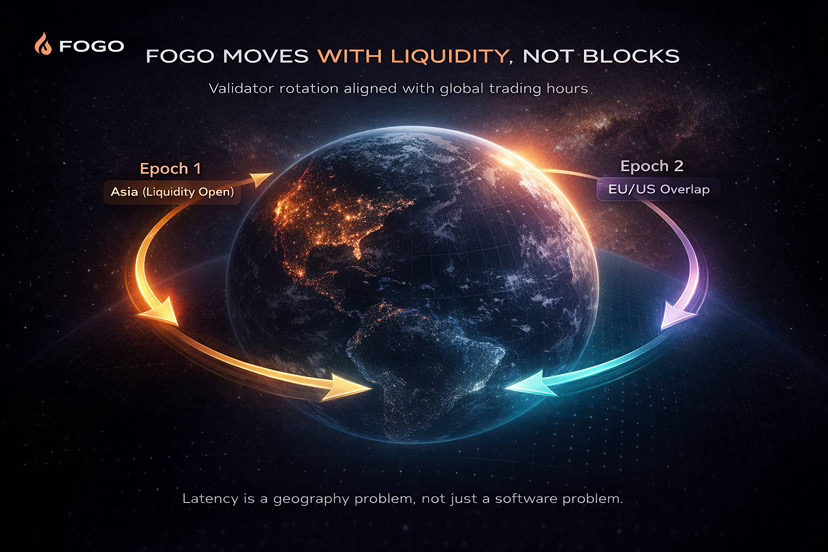
Fogo retains Solana’s core concepts like Proof of History and Tower BFT, while adding multi-local consensus to minimize latency. Validators rotate across geographic regions every eight hours to balance speed and decentralization.
Running a validator isn’t trivial. Hardware requirements are intentionally high to maintain sub-100ms block times and near-instant finality. While this creates a curated validator set, it prioritizes performance — a tradeoff already common across many PoS networks.
Developer Stack and Tooling
Fogo remains compatible with Solana tooling, allowing developers to redeploy existing programs with minimal changes. Native services include:
Pyth Lazer for ultra-low-latency price feeds
Goldsky for real-time indexing
Fogoscan for transparent on-chain exploration
These tools reduce setup friction and support professional-grade applications.
Utility, Value Flow, and Incentives
FOGO functions as gas, staking, governance, and revenue-sharing asset. Fees are paid in FOGO, staking secures the network, and applications can sponsor gas during sessions.
The Fogo Flywheel supports high-impact projects while capturing value back into the ecosystem. Loyalty programs like Fogo Flames reward trading and activity, with optional future benefits while minimizing regulatory risk.
Final Thoughts and Risks
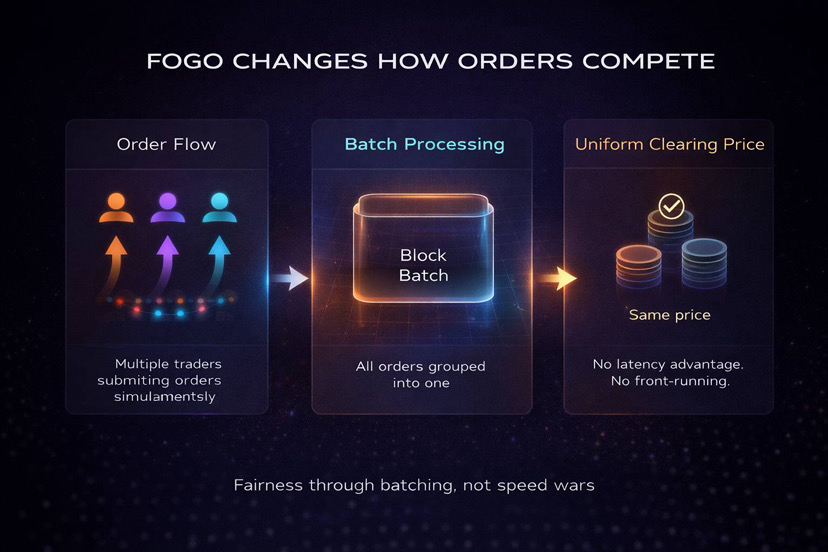
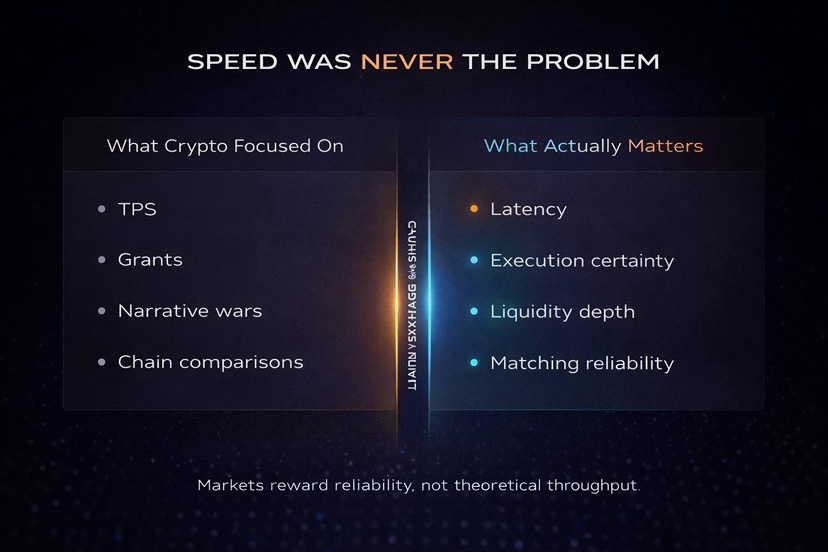
Early marketing emphasized raw throughput, but the deeper value lies elsewhere: session-based UX, real cross-chain composability, and infrastructure designed for traders — not demos.
Risks remain. Bridges are complex systems and require caution. Validator curation introduces governance challenges. Sessions require trust boundaries that users should manage carefully.
Still, Fogo is moving beyond speed metrics into something more meaningful: a serious on-chain trading environment. Not because it promises impossible TPS numbers, but because it addresses the invisible bottlenecks that keep most traders anchored to centralized platforms.
That’s why it’s worth watching.

