I have a habit now whenever I see a headline about a new blockchain. I open it, skim the claims about speed and scalability, then quietly close the tab. After following crypto for years you develop a kind of pattern recognition. Every cycle introduces another “next generation” network, and most of them never become part of daily crypto activity.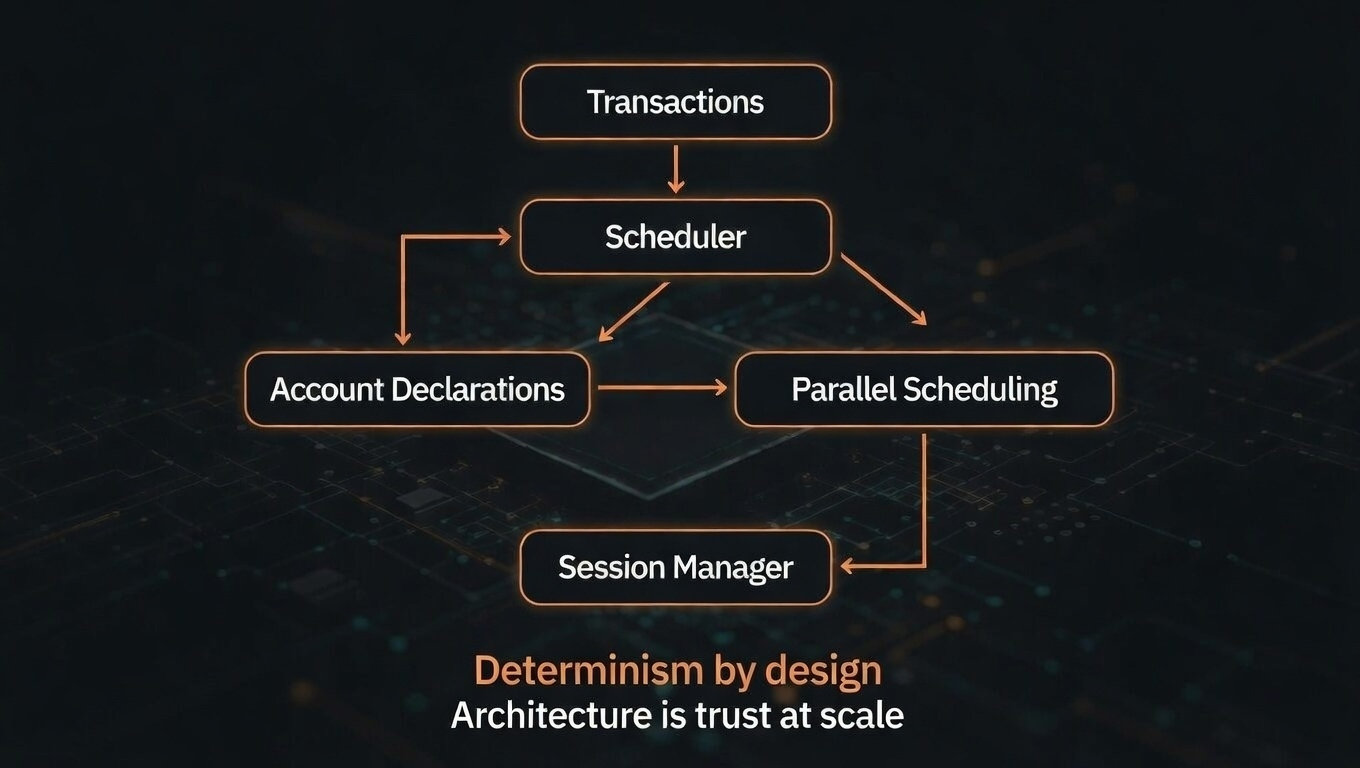
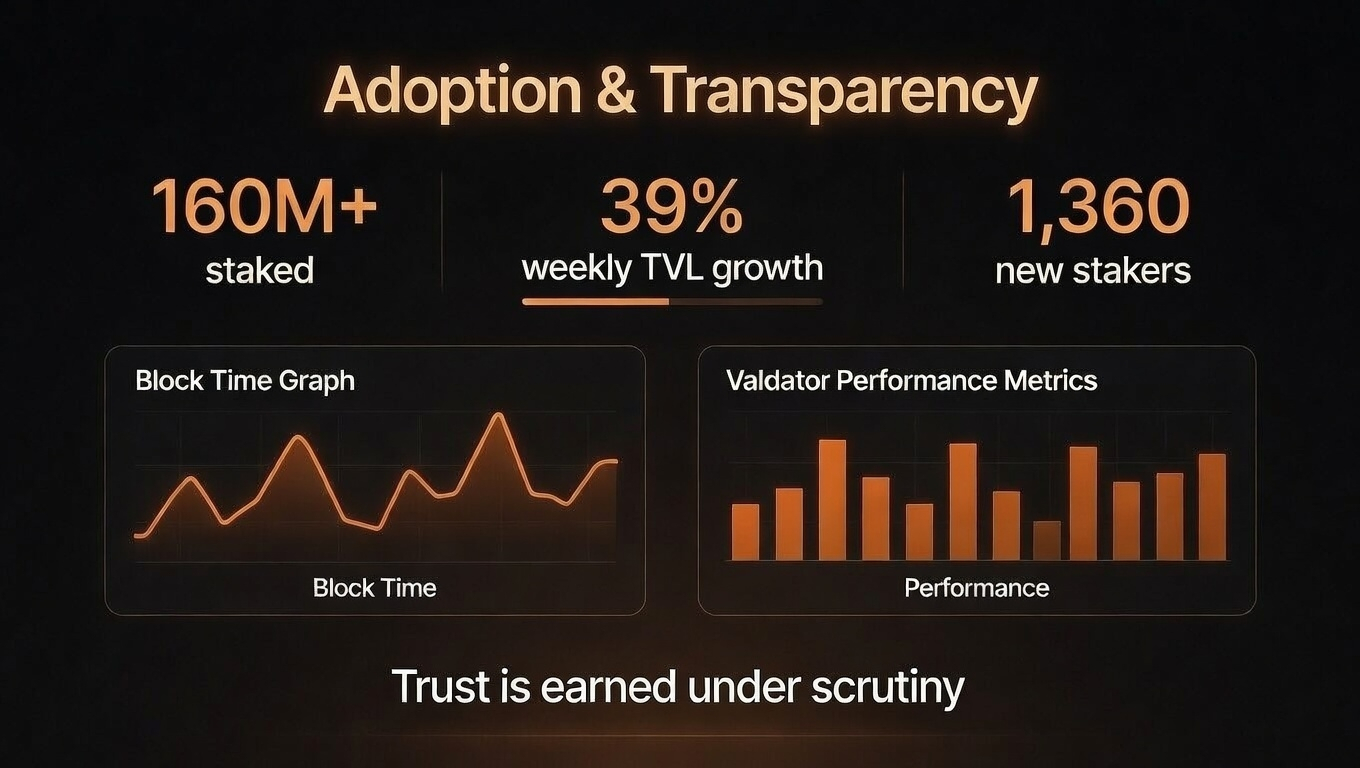
So when I saw Fogo launch its mainnet right after a $7 million token sale on Binance, I actually paused. Not because of the marketing, but because of the timing. Usually networks launch first and distribute tokens later, or raise funds privately and open to the public much further down the road. Here, users already had tokens in their wallets before the network truly began.
That detail matters more than people think.
When users hold a token early, curiosity turns into behavior. People bridge funds, test transactions, click random dApps, and inevitably stress the network. In my experience, a blockchain’s real evaluation starts the moment ordinary users touch it, not when developers describe it.
The basic pitch behind Fogo is a high speed execution chain designed for real time activity. I know every project says some version of that, but the context around speed has changed. A few years ago speed was mainly about cheaper swaps and faster arbitrage. Now it is more about interaction.
From what I have seen, crypto is slowly moving from purely financial tools toward applications that behave like regular internet services.
And that is where latency suddenly matters.
If you have ever used a blockchain game or a social dApp on a slower network, you understand the issue instantly. You click a button and wait. You sign a transaction and wait. You refresh a screen and wait again. The experience stops feeling like software and starts feeling like paperwork.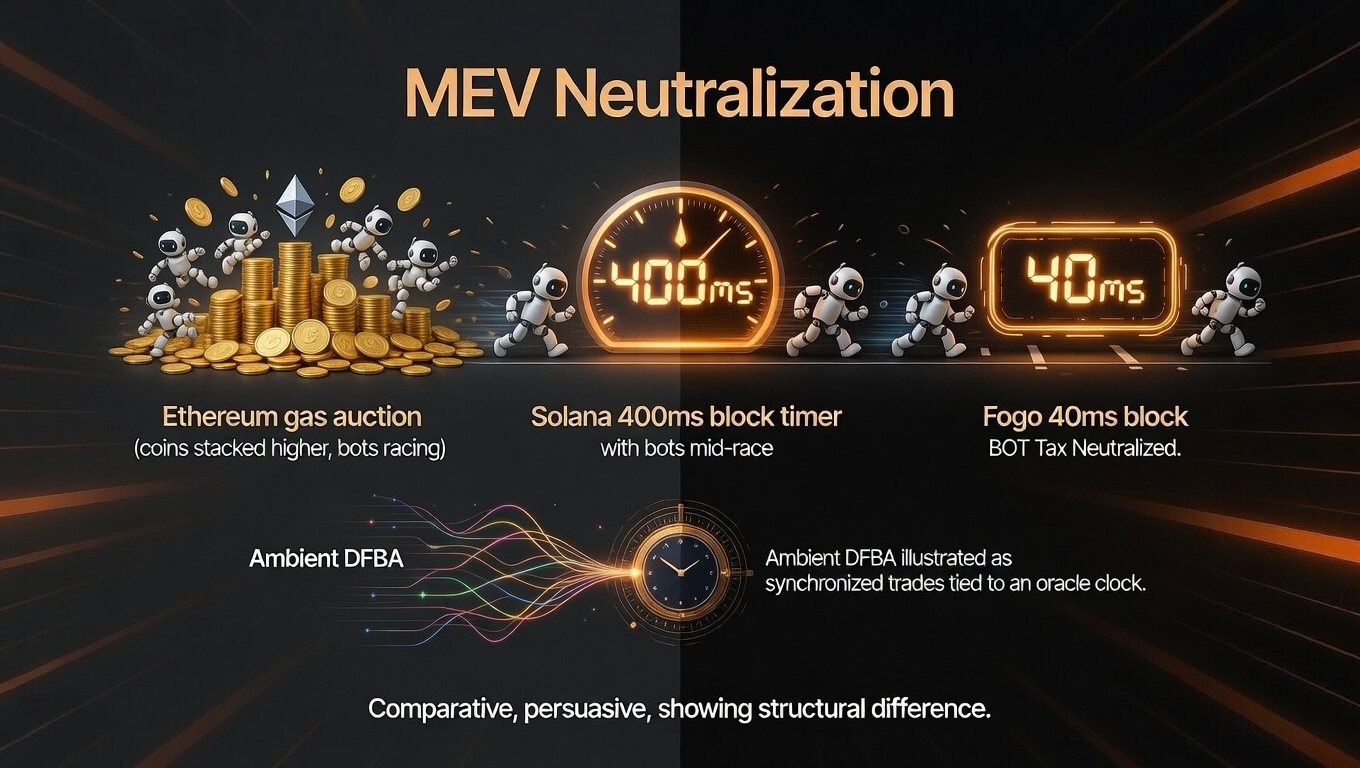
This is where things get interesting.
A network designed for near instant feedback is not competing with settlement layers like Bitcoin or security layers like Ethereum. It is competing with user expectations shaped by normal apps. People are used to immediate responses on their phones. Anything slower feels broken even if it is technically working.
I have noticed that many chains claim high throughput, but very few explain what kind of activity actually needs it. DeFi trading, staking, and transfers can tolerate a few seconds. Humans are patient when money is involved.
But they are not patient when entertainment is involved.
Gaming, live events, social interactions, and real time marketplaces all depend on responsiveness. If Fogo is aiming at that category, its performance matters in a practical way rather than a theoretical one.
The Binance token sale also says something about the market right now. We seem to be moving away from the old venture capital heavy launches. In previous cycles, projects raised huge private rounds and retail users arrived last. This time public users are entering closer to the beginning.
I have noticed how this changes behavior.
Instead of watching from the sidelines, users immediately explore the ecosystem because they feel connected to it. Even small participation creates engagement. People are far more willing to test wallets and apps when they already hold the token.
Adoption rarely starts with belief. It usually starts with curiosity.
Still, technology alone never determines success. I have watched incredibly engineered chains fade into silence because nothing meaningful was built on top of them. At the same time, some imperfect networks thrived because developers enjoyed building there and users enjoyed staying there.
So the real question for Fogo is not how fast it is.
The real question is whether builders will create experiences that only work well on a network like this.
The first month after a mainnet launch always tells the real story. I tend to watch three things.
First, whether wallets and explorers become reliable quickly.
Second, whether bridging assets becomes smooth or frustrating.
Third, whether applications appear that people return to repeatedly.
A network can run perfectly and still feel empty. I have opened many new ecosystems where everything technically functioned but nothing felt necessary. That is a quiet failure most projects never acknowledge.
High speed chains usually attract a specific type of developer. Game studios, social platforms, and teams building on chain order books often care about latency more than DeFi protocols do. These builders do not just want transactions confirmed, they want interactions to feel natural.
Because right now the market does not need another chain hosting only swaps and farms.
It needs chains where blockchain disappears into the background.
Binance hosting the token sale adds another interesting element. Binance users are extremely active and extremely impatient. They move liquidity fast and abandon ecosystems quickly if friction appears. That makes them a difficult first audience, but also a valuable one.
If a network survives its earliest users being traders, it probably means the basics work.
I actually think harsh early users help projects more than supportive ones.
Looking at the bigger picture, launches like this reflect a shift in crypto narratives. We moved from scalability debates to DeFi yields, then NFTs, then AI integrations. Now it feels like infrastructure is returning, but with a different goal.
Before, scalability meant handling more transactions.
Now usability matters more.
People do not care how many transactions per second a chain can process if interacting with it feels complicated. They care whether using it feels as simple as using a normal app.
Personally, I evaluate a blockchain using a simple test. I ask myself whether I am constantly aware I am using a blockchain.
If I am thinking about gas fees, confirmations, and network settings, the experience failed. If I forget those details and just interact, the infrastructure succeeded.
Speed helps, but simplicity matters more.
I have been around long enough to see both outcomes. Some networks had incredible technical designs and still faded away quietly. Others had rough beginnings yet gained momentum because users enjoyed spending time there.
Technology builds the possibility. Community builds the reality.
So Fogo’s mainnet launch is not the conclusion of anything. It is the start of an experiment in whether real time blockchain interaction can actually feel normal.
For me, the interesting part is what it says about crypto’s direction. The industry seems to be moving away from purely financial use and closer to interactive environments. Maybe not replacing traditional apps, but blending with them.
If networks like Fogo succeed, blockchain might stop feeling like a separate world and start feeling like invisible infrastructure.
And honestly, that has always felt like the end goal to me. Not a system people consciously use, but a system quietly running underneath experiences they enjoy.
If that happens, adoption will not look dramatic. It will look ordinary. And in crypto, ordinary might be the biggest milestone we have not reached yet.