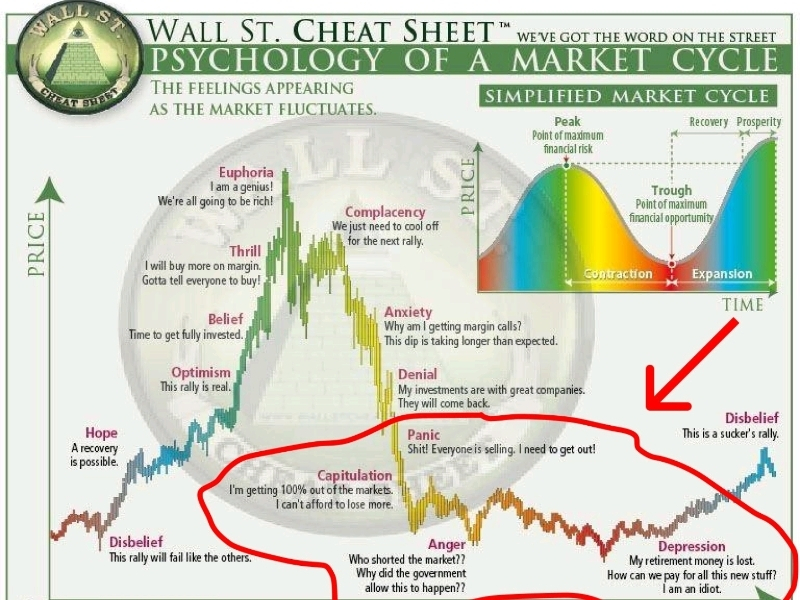
The crypto market has recently experienced a significant downturn, with Bitcoin and major altcoins showing sharp declines. While sudden drops can feel alarming, understanding why corrections happen and how to navigate them is essential for any trader or investor.
Market corrections are a natural part of asset cycles, especially in highly volatile markets like crypto. Bitcoin, as the leading cryptocurrency, often sets the tone. When BTC experiences a pullback, altcoins typically follow, sometimes amplifying losses due to lower liquidity and higher volatility. These corrections can be triggered by a mix of macro-economic factors, such as interest rate changes, regulatory news, or shifts in investor sentiment, as well as technical factors, including profit-taking after extended rallies or breaking key support levels.
One of the most critical points during a crash is trader psychology. Fear often leads to impulsive selling, while overconfidence during bullish runs can make traders ignore risk management rules. The combination of panic selling and leveraged positions getting liquidated often accelerates market drops. Understanding this behavior helps traders avoid emotional decisions and spot potential opportunities.
Another important factor is liquidity zones and market structure. Large holders (“whales”) and institutional traders often target liquidity during dips or corrections, creating temporary spikes and sweeps. Observing support levels, historical price zones, and trading volumes can provide insight into when the market might stabilize and offer high-probability entries.
Corrections also offer a valuable learning opportunity. They test discipline, risk management, and long-term strategy. Traders who stick to well-defined entries, manage risk with proper stop-losses, and maintain a clear plan often emerge stronger, while those chasing hype or ignoring position sizing face larger losses.
In summary, crypto crashes like the recent BTC and altcoin pullbacks are not a sign of failure but a normal market cycle. Approaching them with preparation, education, and disciplined trading transforms volatility into opportunity. Understanding the mechanics of corrections, trader psychology, and liquidity dynamics can significantly improve decision-making and long-term outcomes.