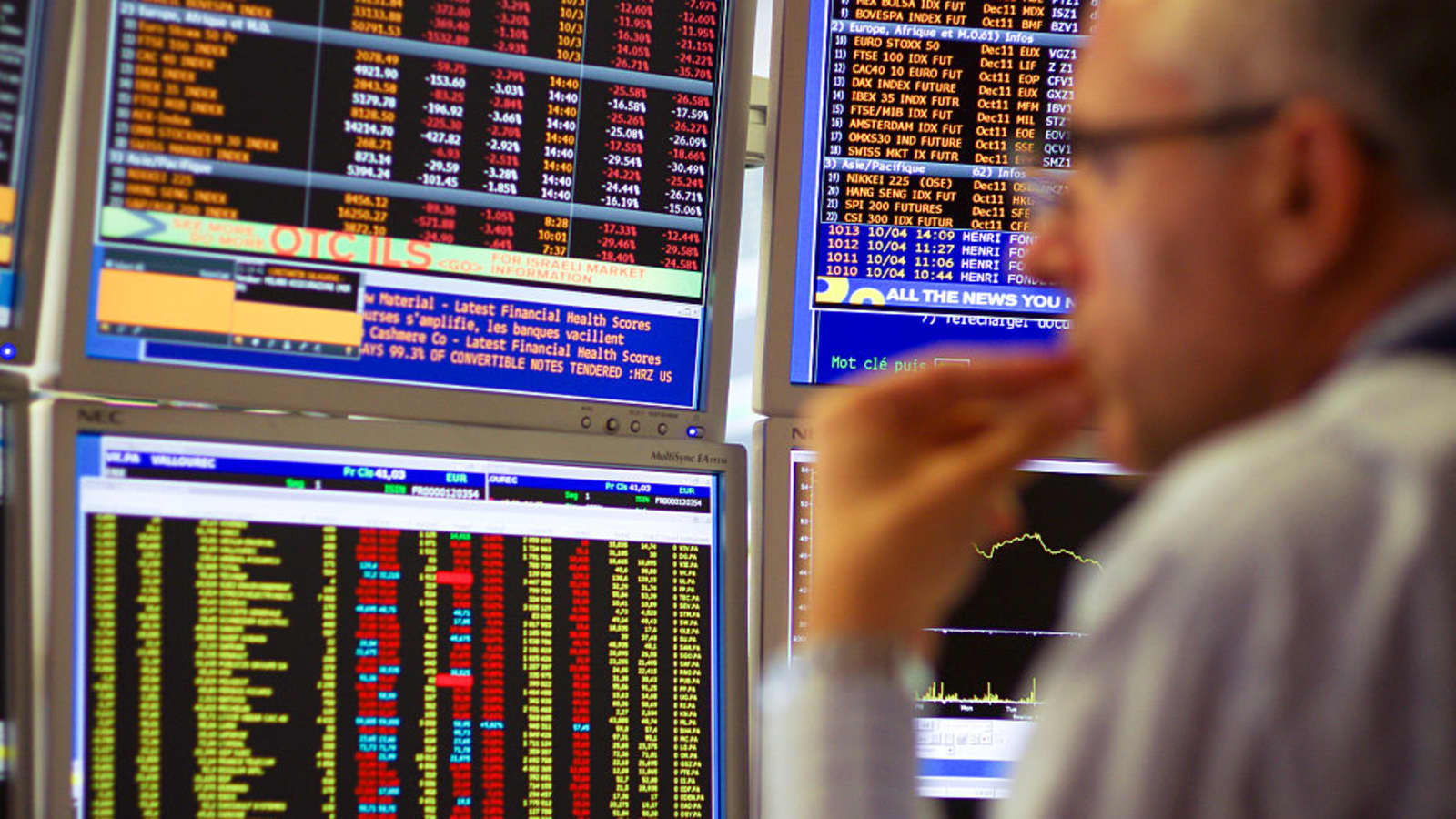
European equities experienced a day of cautious and mixed trading on Friday, February 13, 2026, as the "AI fever" that has propelled global markets for months showed signs of a cooling-off period. Following a significant tech-led sell-off on Wall Street during the previous session, the pan-European Stoxx 600 dipped 0.4% by midday in London. Major indices across the continent reflected this unease, with France’s CAC 40 and Italy's FTSE MIB trading in the red, while Germany's DAX managed to cling to marginal gains.
The shift in sentiment stems from growing investor skepticism regarding the immediate return on investment for massive AI infrastructure. What was once seen as an unstoppable rally has transformed into a period of scrutiny, with "AI jitters" now rippling through sectors far beyond pure technology, including real estate and logistics.
Aerospace Resilience and Banking Beats
Despite the broader market gloom, individual corporate earnings provided several bright spots. French aerospace giant Safran emerged as a clear leader, with its shares surging over 7.3% on Friday. The company reported a robust 2025 performance, highlighted by a 15% rise in revenue to 31.3 billion euros. This growth, driven by a booming defense business and a strong civil engines aftermarket, allowed the firm to raise its long-term financial ambitions through 2028.
In the banking sector, the UK’s NatWest Group reported fourth-quarter profits of £1.48 billion, comfortably outperforming analyst expectations of £1.24 billion. However, even these strong results couldn't entirely insulate the stock from the prevailing "risk-off" mood, as shares traded 1.8% lower following the update. Elsewhere, consumer-facing brands struggled; cosmetics leader L’Oreal fell more than 4% and German delivery service Delivery Hero dropped 5.6% after their respective updates failed to inspire confidence.
Real Estate and the "Software Armageddon"
The contagion of AI fears has notably reached the property sector. Investors are increasingly concerned that rapid advancements in AI could automate office-based tasks to such an extent that demand for commercial space will dwindle. This sentiment hit UK developers hard, with Land Securities and British Land both seeing declines. The fear is that the "software armageddon" being discussed on Wall Street could have a physical footprint, leaving office towers vacant.
However, not everyone is convinced that a doomsday scenario is imminent. Dan Ives, Managing Director at Wedbush Securities, pushed back against the panic in a CNBC interview, labeling the talk of a software catastrophe as "extremely overblown". He argued that while AI presents near-term headwinds for certain legacy software firms, the massive sell-off likely overstates the immediate risk to complex enterprise systems.
Trade Policy and Inflation Data on the Horizon
Adding to the complex market backdrop are shifting geopolitical and economic signals. Metal markets remained subdued following reports that U.S. President Donald Trump plans to scale back certain tariffs on steel and aluminum. While this could eventually lower costs for manufacturers, London and U.S. aluminum futures both moved lower as the market digested the potential for increased supply and changing trade dynamics.
Looking ahead, the primary focus for global investors remains the upcoming U.S. inflation data from the Bureau of Labor Statistics. With January consumer prices already showing a 2.4% annual rise—less than many had feared—markets are looking for further confirmation that inflationary pressures are easing. Until that data provides a clearer path for interest rates, European markets appear set to remain in a state of watchful waiting.#CPIWatch #USNFPBlowout #WhaleDeRiskETH $PIPPIN $FIGHT