

I am Jia. People say that Vanar is Terra Virtua, with a new name. That does not really tell you what is going on. What really happened is that the Vanar project understood what people wanted three times in a row. Each time Vanar saw that something was not working they had the skill to rebuild Vanar from the beginning of trying to make the old version of Vanar work.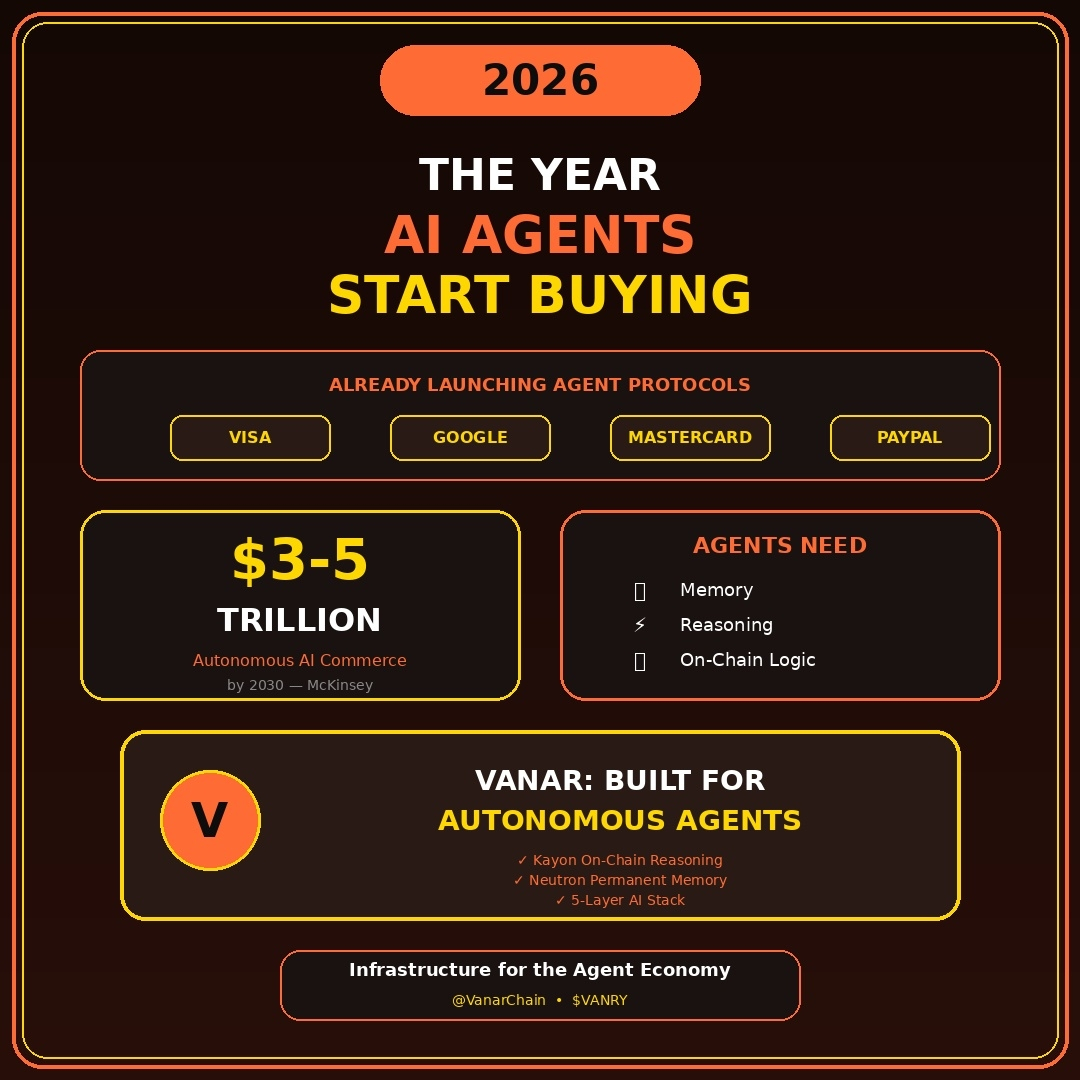
Life number one was about NFTs and digital collectibles. I remember when Virtua first came out the idea was really simple. They wanted to make entertainment assets that were connected to known brands and put them on the blockchain. They teamed up with some names like Paramount, Legendary Entertainment and Williams Racing. These were brands with real products. They even made special metaverse spaces where people could show off and play with their stuff. This all worked well back then.. The people behind Virtua saw something that a lot of other NFT projects did not want to admit. The thing is, NFTs that are collectibles and do not do anything useful will only be popular, for so long. Soon as people stop speculating about how much they will be worth they are not as exciting anymore.
Life number two was all about gaming. When GameFi came out Vanar started to focus on the infrastructure for gaming that's on the chain. The game World of Dypians got a lot of people playing. 30,000 Players. The VGN games network got bigger.
The team was honest. Said they had some problems. The way GameFi worked. People played to get money and they got tokens as rewards. Did not create a system that would last. Instead it made people just play to get tokens and then sell them. Players did that. Then stopped playing when they did not get any more tokens.
The team realized that they needed to make something than just a game, with a token. They wanted to make something that would keep people playing for a time. The GameFi model was not working because people were only playing for the tokens not because they really liked the game.
Life three is really where things get interesting. Vanar did not look for the big story. He asked a question: what do games, business applications and real things need from a blockchain that no blockchain does well now? The answer was data handling. Games need things with meaning that can be used on platforms. Businesses need to verify documents without relying on things outside of the blockchain. Real-world assets that are turned into tokens need to follow rules and have checks built into the system. All three areas of business come together and need the thing, from the system they use. It needs to be a system that knows what it is holding onto not just that it is holding something. The system needs to understand what the verticals are storing so it is not just storing things it is storing the information that the verticals need.
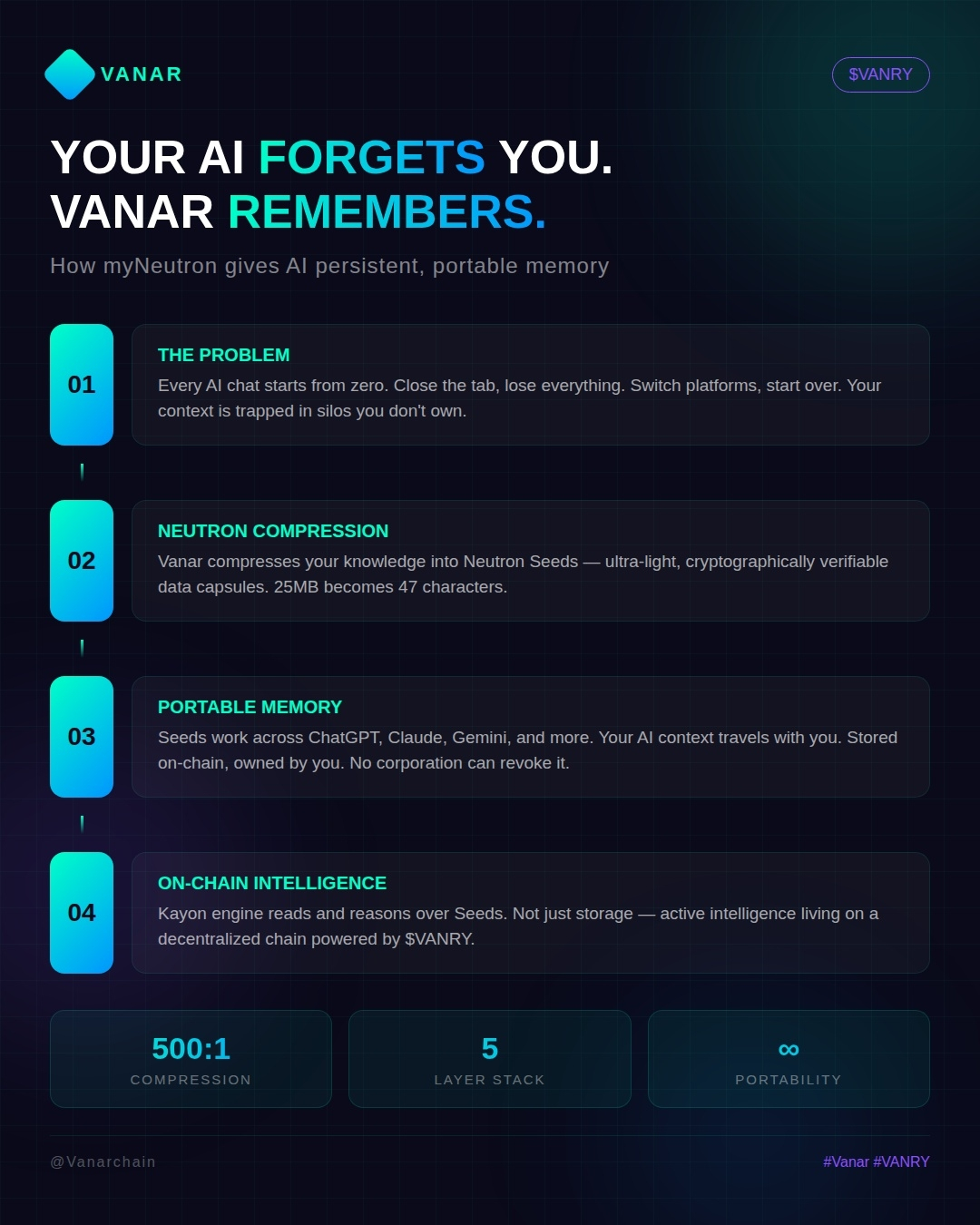
The thing that happened when everything came together is that we now have this five-layer stack that is made for intelligence. The Neutron part takes complicated data and makes it small enough to fit into these things called Seeds that are stored on the chain. Then the Kayon part looks at that data. Figures out what it means using logic that we can see and trust. The Axon and Flows parts will take care of the contracts between agents and the workflows that happen automatically. The base chain is still compatible, with the EVM so developers can build things using Solidity without having to learn a new language. We made each layer of the intelligence stack because we really needed it to make a product that works not just because it sounds cool and artificial intelligence is popular right now.
The TVK to VANRY token swap is something that we should recognize because it shows that the people in charge are really committed to making this work. They made it easy for people to switch from one token to the other with the help of exchanges like Binance etc. They did not change the rules in a way that would hurt the people who already had tokens. They also did not give treatment to people on the inside. The way they changed the token was fair and straightforward. It made sure that the people who already had tokens were taken care of. This is different from what a lot of projects do when they "restructure" and basically leave their early supporters behind with complicated and confusing changes to the token. The TVK, to VANRY token swap was an honest process.
The way Vanar is set up. It is doing AI and gaming and RWA. Seems like a lot to handle at first.. Then you think about it and you see that all three of these areas have the same problem with infrastructure. Vanar is not making three products. It is making one data layer that works for all three markets at the same time. NVIDIA helps make things faster with hardware for proof generation. Google Cloud makes sure that everything is distributed in a way that's good, for the environment. Worldpay connects Vanar to payment networks that merchants use. Kickstart helps get everything started by bringing in builders who work with 20 trusted partners who take care of security and wallets and getting things out to people.
Now we have to be honest about the risk. We need partnerships and frameworks. That is not enough. The problem is that many infrastructure projects fail when it comes to the difference between building an ecosystem and actually using it. What Vanar really needs is for developers to keep using Neutron and Kayon in applications that people use every day. Not just trying them out on test networks or showing them off at hackathons but actually putting them in products that people buy and use and that have real transactions happening. The model of getting money from subscriptions will only work if big companies actually pay for them. The idea, behind PayFi will only work if assets that have been turned into tokens are actually moving through the system in enough amounts and if they are following all the rules.
The bear market is really tough because it shows us which projects people actually need and which ones they only think they need. Vanar has an advantage because it helps with things that people will always need no matter what is happening with the crypto market. For example companies need to verify their data gamers need to manage their assets and people need to turn world assets into tokens in a way that follows the rules. These things do not rely on people buying and selling crypto to be useful so Vanar will still be useful even when the crypto market is not doing well.
We have three lives. Each life is more ambitious than the one when it comes to technology. The people who made each life built on what they learned from the life of the three lives. They did not throw away what they learned from the life. This is not common, in the video game industry. So people should pay attention to the three lives.
