



Introduction :
The cryptocurrency market has entered a mature yet turbulent phase. After years of rapid growth, speculation, and technological breakthroughs, digital assets are now deeply intertwined with global financial systems. Today’s crypto market reflects a complex mix of volatility, institutional participation, regulatory evolution, and long-term innovation. While short-term price movements remain unpredictable, the broader market structure continues to strengthen.
1. Current Market Overview
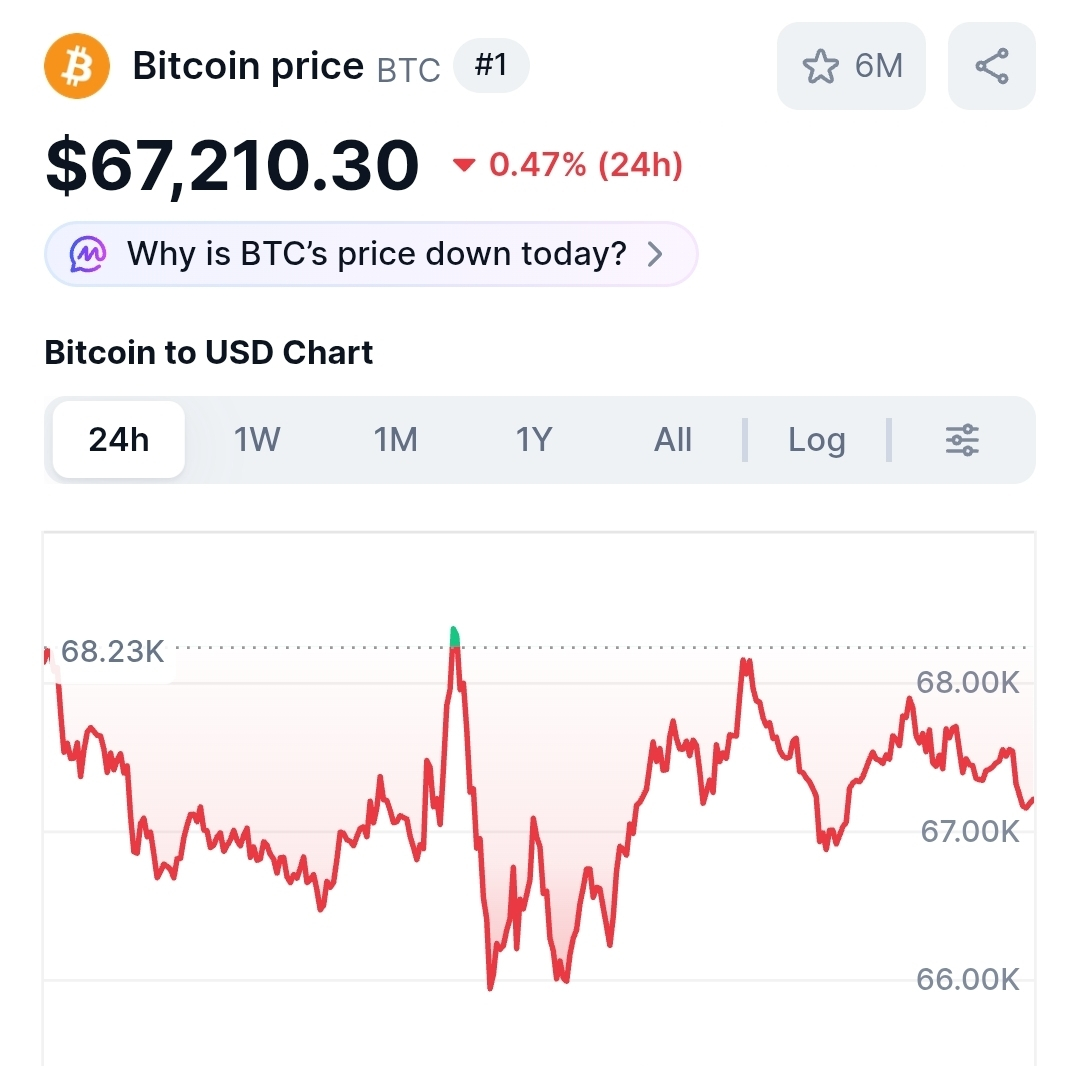
The crypto market is currently characterized by high volatility and cautious investor sentiment. Major cryptocurrencies such as Bitcoin (BTC) and Ethereum (ETH) have experienced sharp price fluctuations, largely influenced by macroeconomic uncertainty, tightening monetary policies, and shifts in global risk appetite.
Despite price corrections, overall market capitalization remains significantly higher than levels seen in previous cycles. This indicates that digital assets are no longer a fringe investment but a recognized asset class with staying power.
2. Trading Activity and Liquidity
Trading volumes across centralized and decentralized exchanges remain robust. While speculative frenzy has cooled compared to peak bull-market periods, liquidity is still strong—especially in Bitcoin, Ethereum, and major stablecoins.
Derivatives markets, including futures and options, play a growing role in price discovery. This evolution mirrors traditional financial markets and highlights the increasing sophistication of crypto traders and institutions.
Key insight :
High trading volume during downturns suggests consolidation rather than market abandonment.
3. Institutional Adoption as a Market Anchor
One of the most defining features of today’s crypto market is institutional involvement. Large asset managers, hedge funds, and financial institutions now offer crypto-related products such as spot ETFs, custody services, and tokenized funds.
Institutional participation has brought :
Greater liquidity
Improved market infrastructure
Stronger compliance and custody standards
While institutions do not eliminate volatility, they provide a long-term stabilizing force and reinforce crypto’s legitimacy within global finance.
4. Regulation: From Uncertainty to Structure
Regulation remains one of the most influential forces shaping the market. Governments worldwide are moving from outright skepticism toward clearer legal frameworks.
The United States and Europe are focusing on investor protection and transparency
Asia presents a mixed landscape, combining innovation hubs with strict restrictions
Stablecoins and tokenized assets are becoming regulatory focal points
Clear regulation reduces uncertainty and encourages institutional capital, though excessive restrictions may slow innovation in some regions.
5. Key Market Segments Driving Growth
Bitcoin: Digital Store of Value
Bitcoin continues to function as the market’s benchmark asset. Often compared to digital gold, it is increasingly viewed as a hedge against currency debasement and long-term inflation rather than a short-term speculative tool.
Ethereum and Smart Contract Platforms
Ethereum remains the backbone of decentralized applications, DeFi, NFTs, and tokenized assets. Layer-2 scaling solutions are improving transaction speed and reducing costs, making blockchain usage more practical.
Decentralized Finance (DeFi)
DeFi platforms are evolving beyond experimentation toward real financial utility, including lending, payments, and on-chain derivatives. Security, compliance, and usability are improving steadily.
Tokenization of Real-World Assets
Tokenization is emerging as a major growth narrative, enabling assets such as bonds, real estate, and commodities to exist on blockchain networks. This could redefine ownership, settlement, and global market access.
6. Risks and Challenges
Despite progress, the crypto market still faces notable risks:
Market volatility remains extreme
Security breaches and smart-contract exploits continue to occur
Regulatory fragmentation creates uncertainty across jurisdictions
Liquidity shocks can amplify downturns
Investors and institutions increasingly emphasize risk management, diversification, and long-term strategy rather than speculative trading.
7. Outlook: Short-Term Caution, Long-Term Optimism
In the short term, the crypto market is likely to remain volatile, reacting to macroeconomic signals such as interest rates, inflation, and global liquidity conditions. However, the long-term outlook remains constructive.
Key drivers of future growth include :
Continued institutional adoption
Expansion of tokenized financial products
Technological improvements in scalability and security
Gradual integration with traditional finance
Crypto is transitioning from a speculative experiment to a foundational component of digital finance.
Conclusion
The cryptocurrency market today stands at a pivotal point. While price volatility and uncertainty dominate headlines, deeper structural trends—such as institutional participation, regulatory clarity, and real-world utility—suggest long-term resilience. For investors, developers, and policymakers alike, the focus is shifting from hype to sustainability.
Crypto’s next chapter will not be defined by rapid price surges alone, but by its ability to deliver real economic value in a global financial system.