
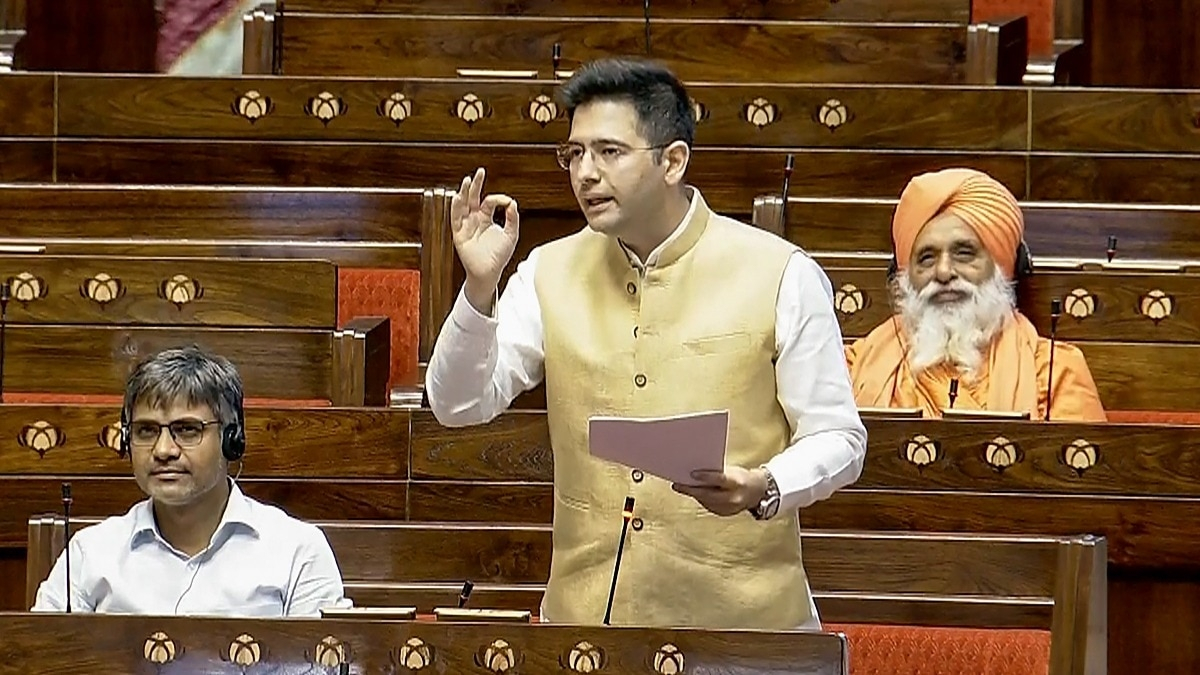
In a time when digital finance is rapidly reshaping global economies, Raghav Chadha emerged as one of the few Indian lawmakers to openly and seriously address cryptocurrency and virtual digital assets inside Parliament. His speech was not just about technology, but about policy clarity, economic opportunity, and protecting Indian investors.
Rather than calling for bans or fear-driven restrictions, Chadha pushed for something far more practical: clear regulation, legal recognition, and a structured framework for crypto in India.
Let’s break down what he said, why it matters, and what it could mean for the future of India’s digital economy.
The Core Problem He Highlighted: Taxed Like Legal, Treated Like Illegal
One of Chadha’s strongest arguments was the contradiction in India’s current crypto policy.
The government imposes 30% tax on crypto profits
Plus 1% TDS on every transaction
Yet at the same time, cryptocurrencies are not legally recognized as an asset class, and there is no proper regulatory structure.
His point was simple but powerful:
If the government collects taxes from crypto users, it should also provide legal clarity and investor protection.
The Economic Cost of Unclear Regulations
Chadha warned that regulatory confusion is pushing India’s crypto ecosystem offshore.
According to his argument:
• A massive share of Indian crypto trading has moved to foreign exchanges
• Millions of Indian users now trade outside Indian platforms
• Many Indian blockchain startups have relocated to crypto-friendly countries
This means:
Loss of innovation
Loss of jobs
Loss of tax revenue
Reduced global competitiveness
In short, India is exporting its digital future because of policy uncertainty.

His Stand: Regulation Over Prohibition
Rather than banning crypto, Chadha emphasized that: “Regulation is protection. Prohibition is not.”
He called for:
Legal recognition of digital assets as an asset class
Clear compliance and licensing rules for exchanges
Strong anti-money laundering safeguards
Investor protection frameworks
A regulatory sandbox to support startups and innovation
His message was balanced:
Control risks, but don’t kill innovation.
The Revenue Opportunity for India
Another major point he raised was financial.
With proper regulation and onshore trading:
• The government could earn thousands of crores in additional tax revenue annually
• India could become a global blockchain innovation hub
• Domestic platforms could thrive instead of shutting down
In other words, smart regulation could turn crypto from a grey-zone problem into an economic engine.
The Bigger Vision Behind His Speech
Raghav Chadha wasn’t promoting speculation or reckless trading.
He was advocating for:
Transparency
Legal clarity
Economic growth
Technological leadership
His approach reflected how many advanced economies are handling digital assets:
not by banning them, but by regulating them responsibly.
Clear Summary of What Raghav Chadha Said
India’s crypto policy is contradictory
Tax exists, but legal clarity does not
Regulatory confusion is driving business overseas
Banning crypto is not the solution
Structured regulation is the real protection
India can gain innovation, jobs, and revenue with the right framework
Final Thought
Raghav Chadha’s parliamentary intervention marked an important moment in India’s crypto journey.
Instead of fear-driven narratives, he brought forward a future-focused discussion, one centered on policy maturity, economic sense, and technological progress.
Whether India becomes a Global digital finance leader or misses the opportunity will largely depend on how policymakers respond to voices like his.
