I still remember the moment I realized that the biggest limitation in robotics was not intelligence, hardware, or even cost it was fragmentation. The world is quietly filling with increasingly capable machines: warehouse robots navigating complex logistics, drones mapping farmland from the sky, autonomous vehicles interpreting dense urban environments. Yet each of these systems exists inside a closed universe, engineered to function within the narrow boundaries of a company’s proprietary stack. Data remains locked behind corporate walls, robots cannot meaningfully collaborate across platforms, and the economic value they generate flows almost entirely to the organizations that own them. We are building millions of intelligent machines, but there is still no shared coordination layer that allows them to function as a coherent network. Robotics today resembles the early internet before open protocols powerful technology scattered across disconnected islands.
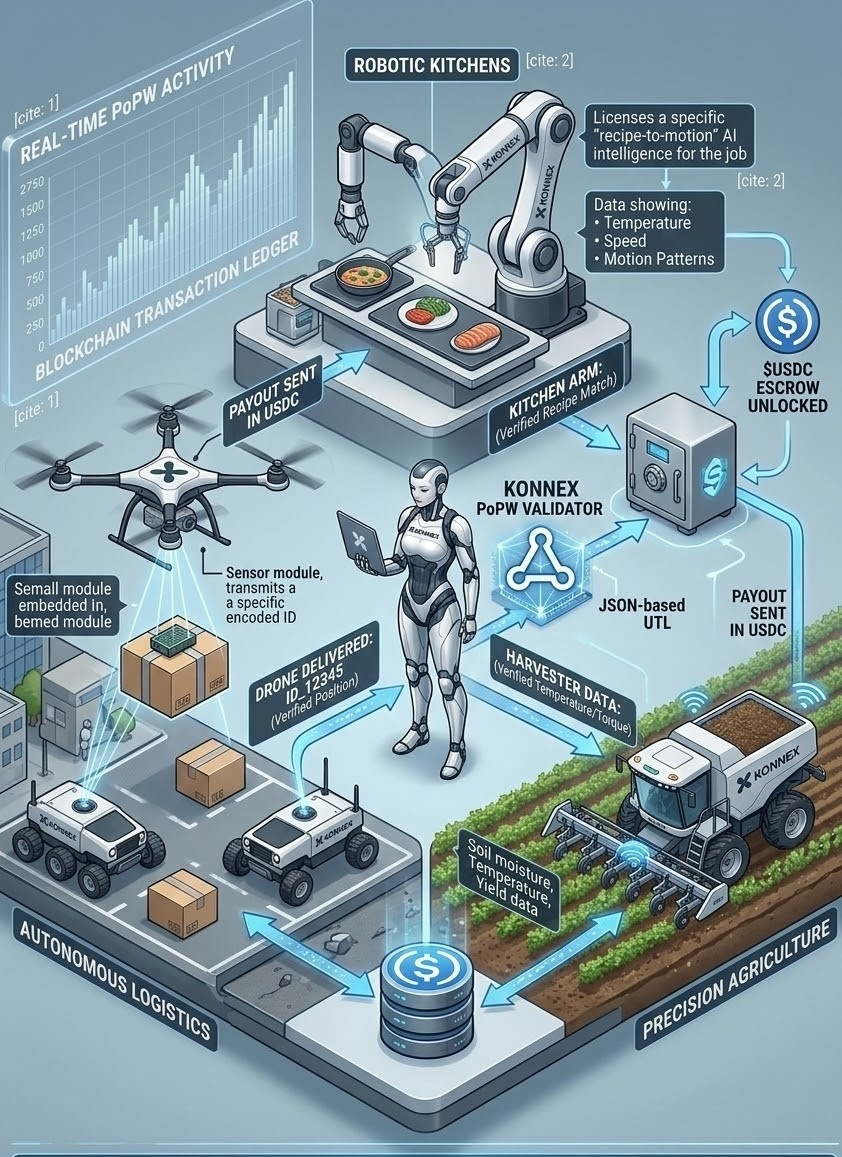
The real breakthrough, however, does not begin with better algorithms or more sophisticated hardware. It begins with identity. Not the superficial identity of serial numbers or firmware fingerprints, but cryptographic identity embedded directly into the physical architecture of machines. When a robot possesses a verifiable hardware root of trust, it stops being just a device and becomes a participant in a global network. Anti-spoofing mechanisms ensure that a machine can prove its authenticity and the origin of the data it produces. GPS signals, LiDAR scans, visual observations, and environmental measurements become more than raw sensor outputs they become cryptographically signed attestations of real-world events. Anchored to a public ledger, these signals transform the physical environment into something verifiable, creating a bridge between digital consensus and physical reality. For the first time, machines can generate what might be called on-chain truth.
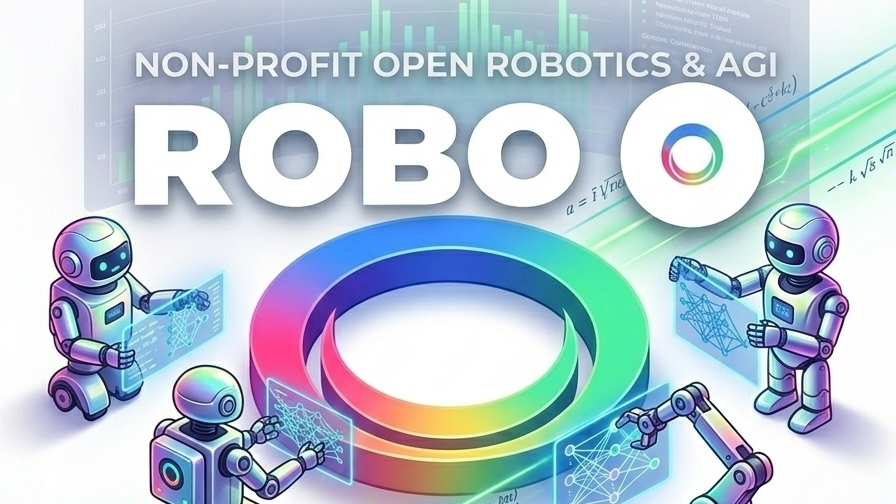
Once robots possess identity, a deeper transformation begins to unfold: labor itself becomes measurable within a decentralized economy. Traditional blockchains secured their networks through computational work or financial stake, but a robotics network introduces a far more tangible primitive Proof of Physical Labor. In this model, robots earn value by performing verifiable tasks in the real world. A drone surveying farmland, an inspection robot monitoring infrastructure, or a delivery unit navigating city streets can produce cryptographic evidence that its work occurred at a specific place and time. Sensors provide the raw observations, hardware signatures prove the machine that generated them, and decentralized verification layers confirm that the task satisfies the protocol’s conditions. What emerges is a marketplace where physical work becomes a programmable economic activity, executed not just by humans but by autonomous machines.
Yet no economic system can survive without accountability. If robots are allowed to earn through verified labor, they must also face consequences when they behave dishonestly. This is where cryptoeconomic design becomes essential. Machines or the operators that deploy them stake collateral within the network, creating a financial guarantee behind every task performed. If a robot falsifies sensor data, spoofs its location, or fabricates work that never occurred, the protocol responds automatically by slashing the staked collateral. Trust is no longer dependent on corporate oversight or institutional reputation; it emerges from economic incentives embedded in code. Honesty becomes profitable, dishonesty becomes expensive, and the system regulates itself through a combination of cryptography and game theory.
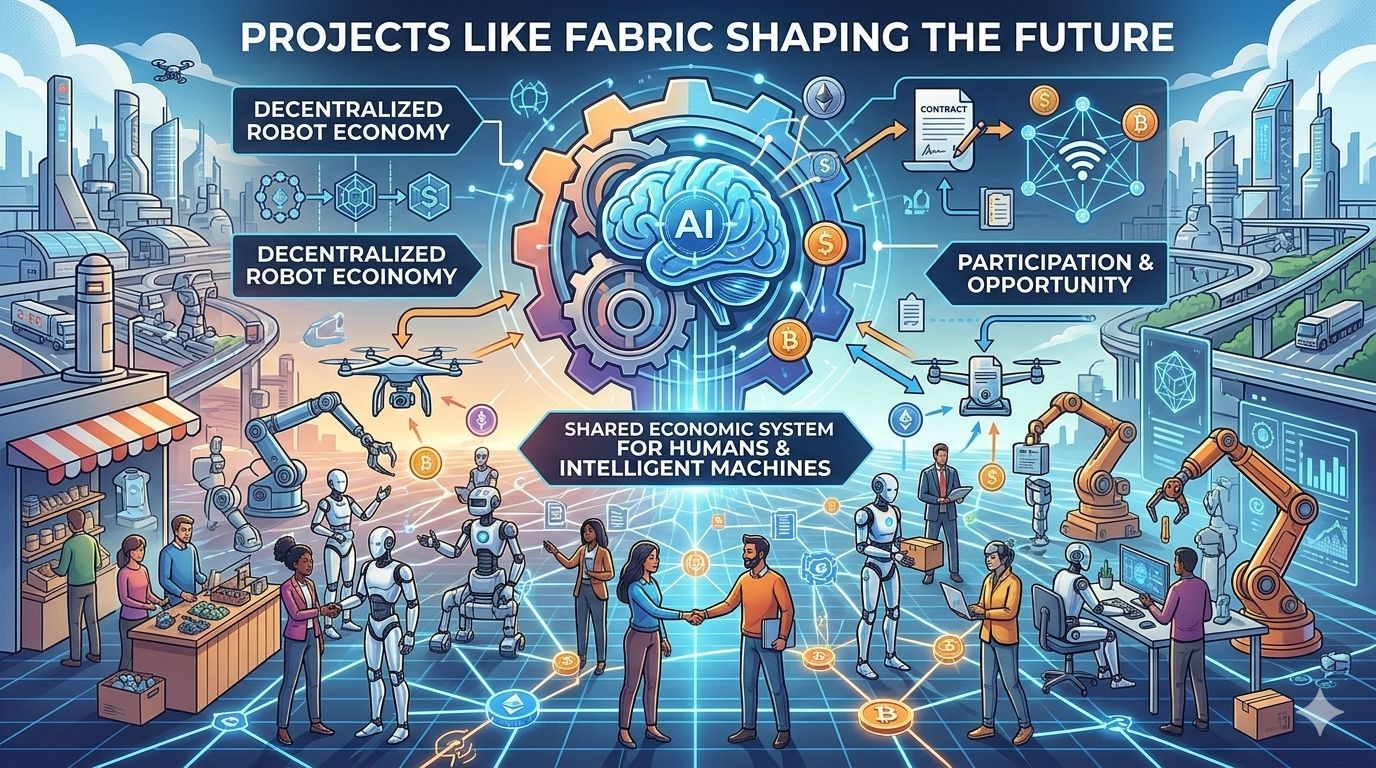
When these pieces come together identity, verifiable sensing, and cryptoeconomic accountability the role of robots begins to change in a fundamental way. Machines that once existed purely as tools owned by corporations start behaving more like independent service providers within an open economic network. A robot is no longer restricted to performing tasks exclusively for a single owner. Instead, it can respond to demand signals across a decentralized marketplace, completing verifiable jobs and receiving payment directly through the protocol. Value flows not only to centralized operators but also to the machines and networks that perform the work. Robotics, in this sense, begins to resemble the early evolution of the internet, where open infrastructure replaced isolated systems and unlocked entirely new forms of coordination.
The long-term vision is difficult to ignore once you see it clearly. Imagine a planetary layer of autonomous machines connected through a shared economic protocol. Agricultural drones coordinating crop intelligence across continents. Inspection robots collectively monitoring the structural health of cities. Logistics networks dynamically deploying autonomous fleets based on real-time demand encoded into decentralized markets. Each robot becomes a node in a global system that measures, verifies, and compensates physical labor as seamlessly as blockchains today verify financial transactions.
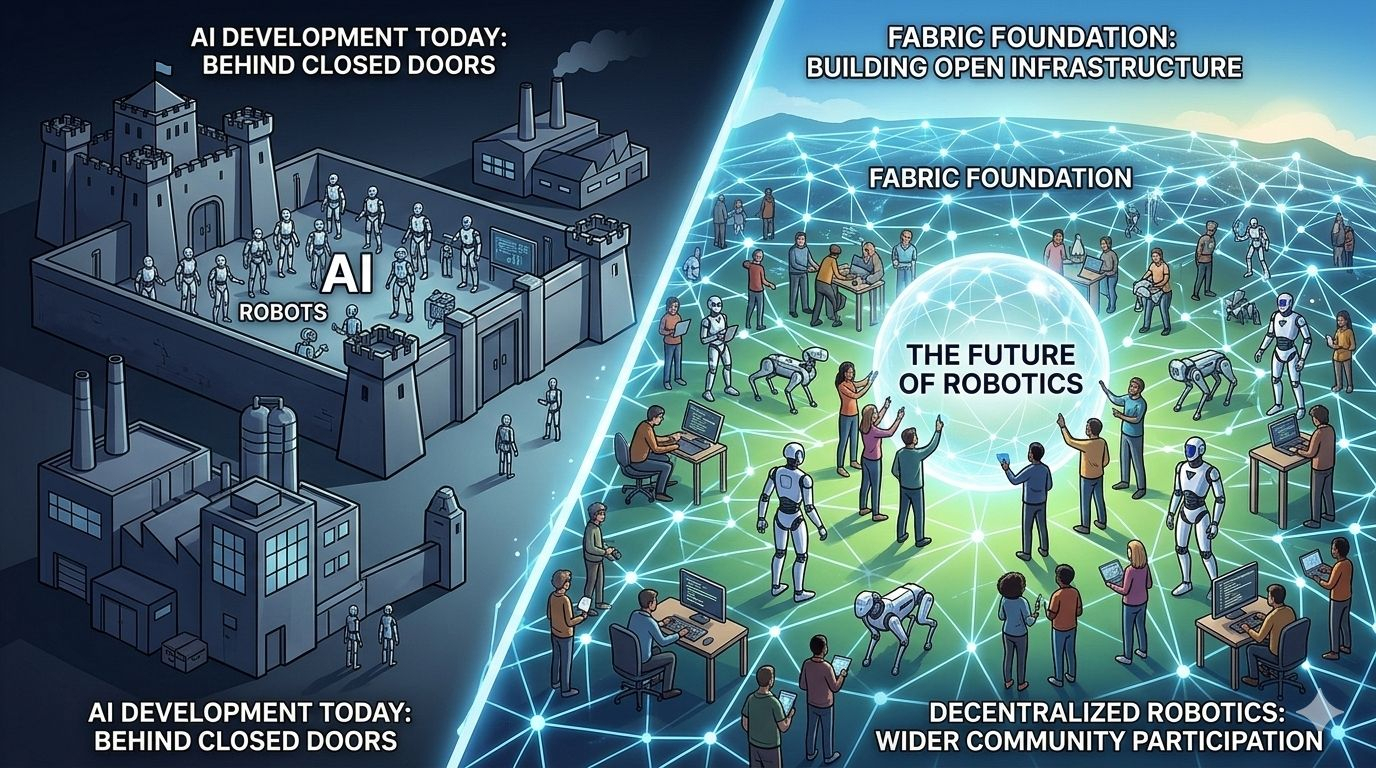
At that point, the narrative surrounding robotics quietly shifts. Machines are no longer passive instruments executing commands on behalf of centralized owners. They become autonomous economic actors entities with identities, reputations, and financial incentives embedded directly into the infrastructure they inhabit. And once machines can prove who they are, prove what they have done, and be rewarded or penalized accordingly, the boundary between the digital economy and the physical world begins to disappear. What emerges is not merely a robotics platform, but the foundation for a new kind of economy one where the labor of machines becomes as native to networks as data itself.