
$ROBO In the rapidly evolving world of Web3 infrastructure, very few projects manage to attract the attention of experienced traders and long-time Binance ecosystem users at an early stage. One project that has recently started appearing in discussions among serious on-chain analysts is @Fabric Foundation While still developing its ecosystem, the project is positioning itself as a foundational layer designed to improve how decentralized applications, automation, and intelligent blockchain systems interact.
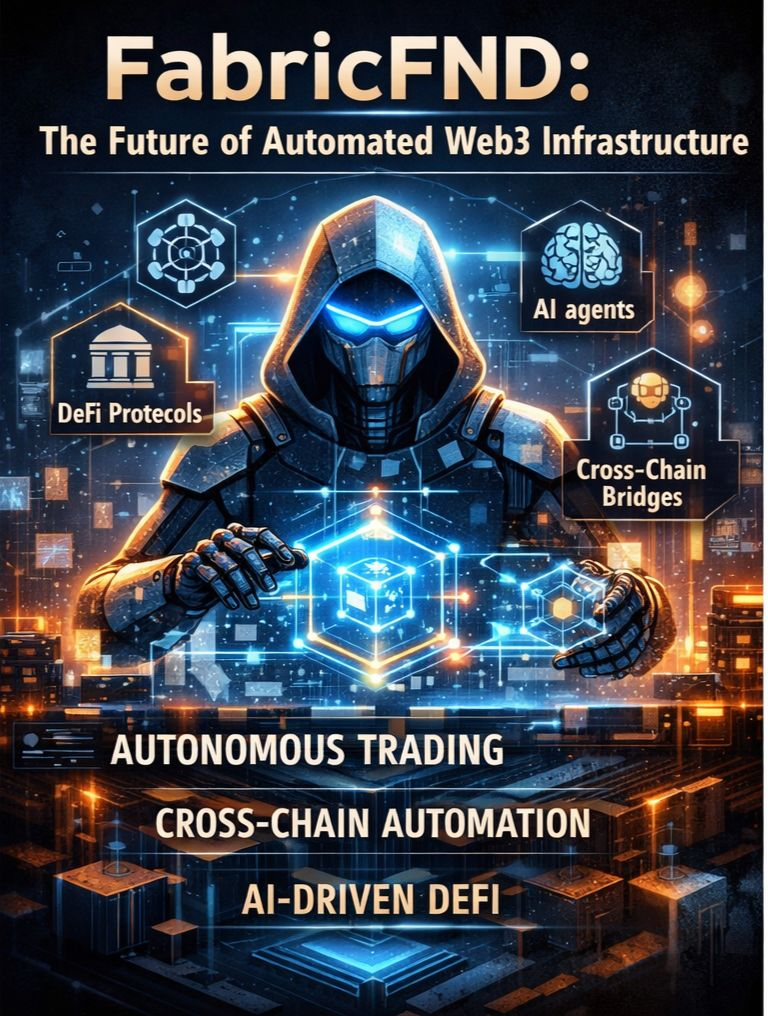
From the perspective of users who spend significant time analyzing on-chain data, infrastructure trends, and token mechanics, FabricFND stands out not because of hype but because of architecture design, modularity, and long-term scalability.
The Vision Behind FabricFND
At its core, FabricFND aims to build a programmable infrastructure layer that allows developers to connect decentralized services, automation tools, and AI-driven logic across multiple blockchain environments.
Instead of focusing on a single niche like DeFi or NFTs, the project attempts to provide the fabric layer —a flexible network where different decentralized components can interact seamlessly.

Think of it as a coordination framework where:
* Smart contracts
* Automated bots
* Data feeds
* AI-assisted agents
* DeFi protocols
can communicate and execute tasks across chains.
For experienced traders and builders, this direction is important. The next stage of Web3 growth will likely depend on automation and interoperability, not just isolated protocols.
Why Infrastructure Projects Often Win Long Term
If you look back at the most successful crypto ecosystems, the biggest winners often came from infrastructure layers rather than single-use applications.
Examples across the industry show that:
Layer infrastructure attracts continuous developer activity.
Developer tools create long-term network effects.
Automation frameworks enable thousands of applications to build on top.
FabricFND appears to be targeting exactly this type of positioning.
For users who follow ecosystem development closely on exchanges like Binance, projects that build core technology rather than temporary narratives often maintain stronger longevity.
The Role of Intelligent Automation
One of the most interesting aspects of the FabricFND concept is the emphasis on automated execution systems.
The Web3 ecosystem is increasingly moving toward:
* autonomous trading strategies
* automated liquidity management
* cross-chain transaction routing
* AI-assisted DeFi operations
In this environment, programmable systems that can coordinate these processes efficiently become extremely valuable.
This is where assets like ROBO begin appearing in discussions among analysts studying automation-focused ecosystems.
Automation tokens often serve roles such as:
* powering execution networks
* enabling service payments
* securing automated infrastructure
* coordinating node operators
As decentralized systems grow more complex, automation layers may become just as important as liquidity layers.
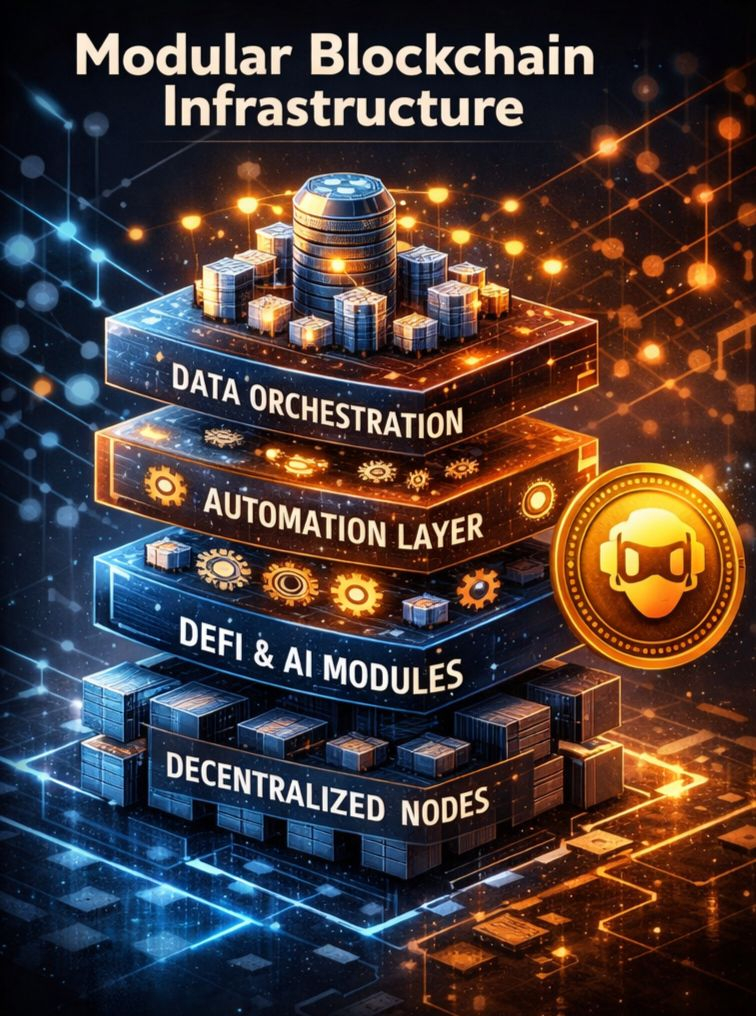
From an architectural standpoint, FabricFND focuses on modular design. Instead of forcing developers into a rigid framework, the network appears to encourage composable infrastructure modules.
This allows projects to integrate only the components they need.
Potential components include:
• automated workflow engines
• data orchestration layers
• cross-chain communication bridges
• decentralized execution nodes
• programmable task schedulers
For developers, this flexibility is attractive because it allows them to build highly customized decentralized services without rebuilding fundamental infrastructure from scratch.
Market Perspective From Experienced Traders
Among veteran Binance users, there is a well-known pattern when analyzing early projects:
1. Study the technical architecture
2. Evaluate developer adoption potential
3. Assess token utility
4. Monitor community growth and integration partnerships
FabricFND is still early, but discussions are starting to appear among analysts who track emerging infrastructure ecosystems.
Projects with strong technical foundations tend to gain attention before mainstream retail awareness arrives.
That does not guarantee success, but it often indicates a project worth watching closely.
- Community Development and Ecosystem Signals
Another important indicator in early-stage projects is developer and community participation.
Healthy ecosystems typically show:
* active builder communities
* transparent technical documentation
* open infrastructure experimentation
* growing third-party integrations
FabricFND’s direction suggests it wants to cultivate a developer-first ecosystem, which historically has been one of the strongest signals for long-term viability in crypto infrastructure projects.
Communities surrounding automation technologies, including those interested in ROBO systems, are also growing quickly across Web3.
The Bigger Narrative: Automated Web3 Infrastructure
The broader trend behind this type of project is the shift toward automated decentralized networks.
In the future, blockchain ecosystems may rely heavily on:
* autonomous trading agents
* automated risk management tools
* AI-driven DeFi optimization
* decentralized execution networks
These systems require robust infrastructure layers capable of managing complex logic and coordination.
FabricFND appears to be aiming at that future.
If the project succeeds in becoming a reliable coordination layer for automation, it could become an important component within the broader Web3 stack.
- Thoughts
From the perspective of experienced Binance ecosystem users, projects like FabricFND deserve attention not because of short-term speculation but because of their potential role in the next stage of decentralized technology.
Infrastructure, automation, and intelligent execution networks are becoming increasingly important as blockchain applications grow more sophisticated.
Whether FabricFND ultimately becomes a major player will depend on developer adoption, ecosystem growth, and real-world integrations. But the concept itself aligns strongly with the direction the industry is moving toward.
For now, analysts who track emerging automation systems and communities connected with #ROBO are keeping a close eye on how this ecosystem evolves.
The coming years will likely determine which infrastructure projects become the backbone of automated Web3 networks—and which remain experimental ideas.
One thing is certain: the discussion around decentralized automation and #ROBO ecosystems is only getting started.