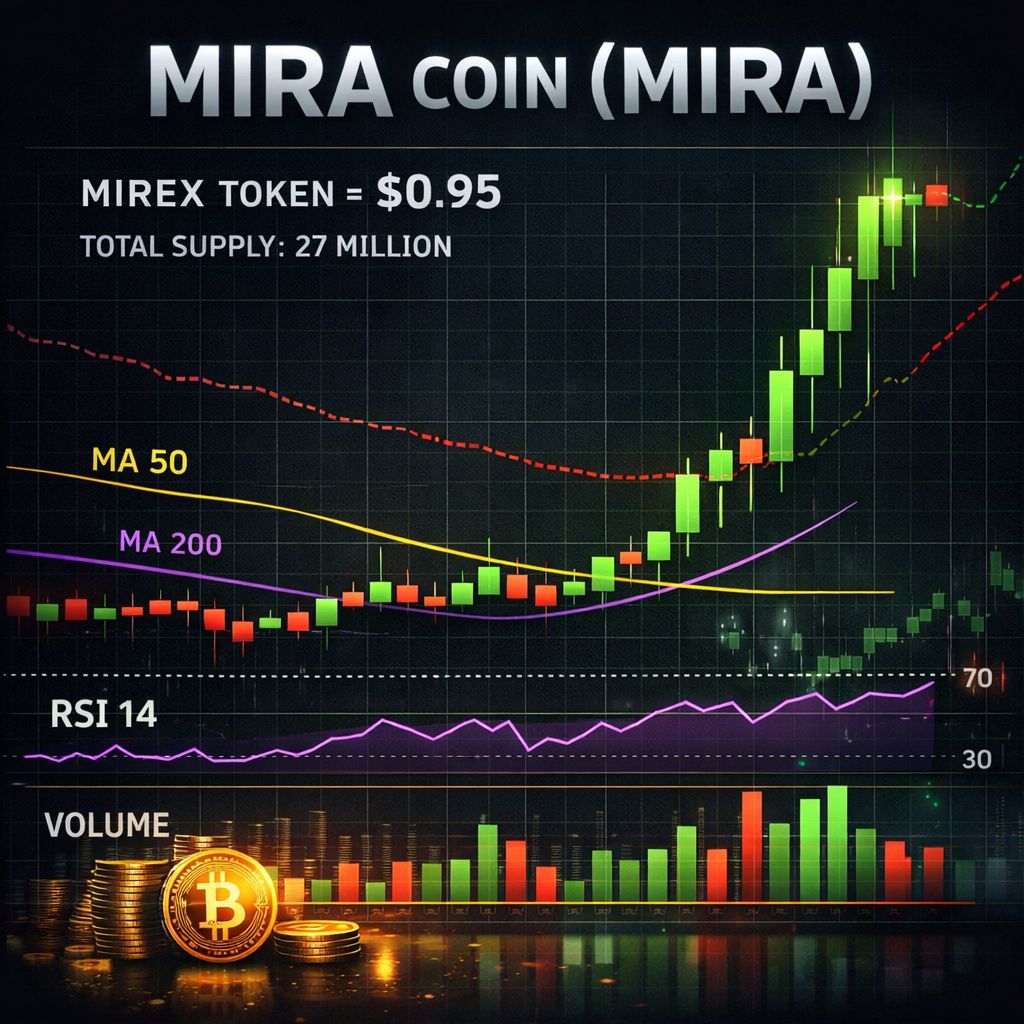
Cryptocurrencies continue to reshape the global financial landscape, and new projects are emerging with innovative technologies and use cases. One such project gaining attention is $MIRA Coin. Designed to support decentralized applications and blockchain-based services, MIRA aims to create a scalable and efficient ecosystem for developers and users. While the cryptocurrency market is highly competitive, projects like MIRA attempt to differentiate themselves through unique technology, strong community support, and real-world utility.
What is $MIRA Coin?
MIRA Coin is a digital asset built on blockchain technology that powers the Mira Network ecosystem. The coin is primarily used for transactions, staking, governance, and supporting decentralized applications (dApps). Like many modern crypto projects, the network aims to provide faster transactions, lower fees, and greater scalability compared to traditional blockchain platforms.
The Mira Network focuses on creating a decentralized environment where developers can build Web3 applications and services. These applications may include decentralized finance (DeFi), NFT platforms, gaming ecosystems, and digital marketplaces. The primary goal of MIRA Coin is to act as the backbone of this ecosystem by facilitating transactions and incentivizing participants.
Technology Behind the Project
The technology behind MIRA Coin focuses on three major aspects: scalability, efficiency, and interoperability. Many blockchain networks face problems such as slow transaction speeds and high fees during periods of heavy network activity. Mira Network aims to solve these issues by implementing optimized consensus mechanisms and improved blockchain architecture.
Another important aspect is interoperability. The project intends to allow communication between different blockchain networks. This means users could potentially transfer assets or data between platforms without relying on centralized intermediaries. Such functionality is becoming increasingly important as the blockchain industry grows and multiple networks coexist.
Additionally, the Mira ecosystem is expected to support smart contracts. Smart contracts allow automated agreements that execute when predefined conditions are met. This feature opens the door to decentralized financial systems, automated payments, and digital asset management.
Token Utility
The MIRA Coin token plays several important roles within the ecosystem. First, it is used to pay transaction fees on the network. Whenever users send assets, deploy smart contracts, or interact with decentralized applications, they may need to pay a small fee using MIRA.
Second, the coin can be used for staking. Staking allows users to lock their tokens in the network to help maintain security and validate transactions. In return, participants may receive rewards in the form of additional tokens.
Third, MIRA Coin may provide governance rights. Token holders could potentially vote on network proposals, updates, and improvements. This decentralized governance structure ensures that the community has a role in shaping the future direction of the project.
Market Potential
The success of any cryptocurrency depends on several factors including adoption, partnerships, technology, and market sentiment. MIRA Coin operates in a rapidly growing industry where decentralized applications, blockchain infrastructure, and Web3 platforms are expanding quickly.
If the Mira Network successfully attracts developers and projects to its ecosystem, the demand for the token could increase. More applications mean more transactions, which can lead to greater token utility and potentially higher value.
However, the cryptocurrency market is extremely competitive. Established blockchain networks such as Ethereum, Solana, and BNB already dominate the decentralized application space. For MIRA Coin to succeed, it must offer significant advantages in speed, cost efficiency, or user experience.
Risks and Challenges
Like most emerging cryptocurrencies, MIRA Coin faces several challenges. One of the biggest risks is market volatility. Cryptocurrency prices can fluctuate dramatically within short periods due to investor sentiment, global regulations, and technological developments.
Another challenge is adoption. Even if the technology behind MIRA is strong, the project needs active developers, investors, and users to build a thriving ecosystem. Without sufficient adoption, many promising blockchain projects struggle to gain long-term traction.
Regulatory uncertainty is also a concern for many crypto projects worldwide. Governments are still developing frameworks for digital assets, and regulatory changes can impact the growth and accessibility of certain cryptocurrencies.
Future Outlook
Despite the risks, MIRA Coin has potential if the project continues to develop its ecosystem and build partnerships within the blockchain industry. The increasing demand for decentralized applications and Web3 infrastructure could create opportunities for new platforms like Mira Network.
If the team successfully improves the technology, attracts developers, and expands its community, the token may experience steady growth in the future. Long-term success will depend on continuous innovation, transparency, and real-world adoption.
Conclusion
MIRA Coin represents an emerging blockchain project that aims to support decentralized applications and digital ecosystems. With its focus on scalability, interoperability, and smart contract functionality, the project seeks to contribute to the growing Web3 landscape.Overall, MIRA Coin could become an interesting project to watch as the blockchain industry continues evolving. 🚀📊
#mira @Mira - Trust Layer of AI