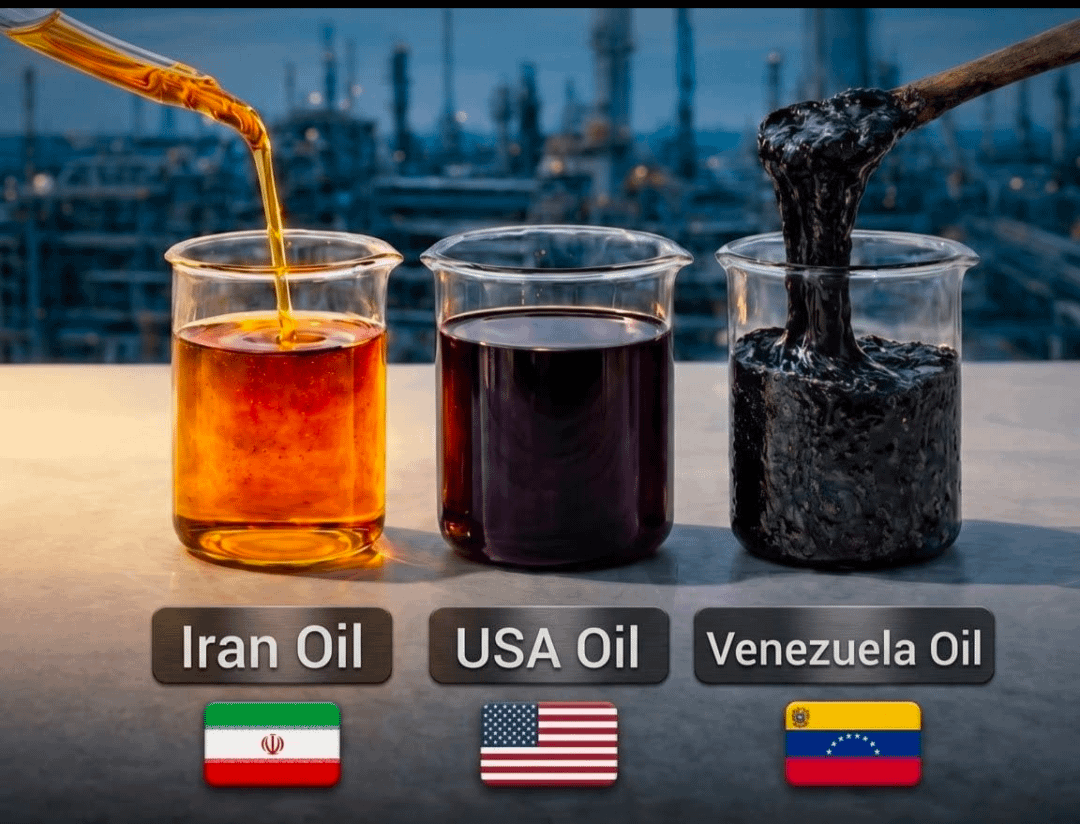
Most headlines focus on rising oil prices, but the real issue goes deeper. Not all crude oil is the same, and that difference could have serious consequences for the global economy.
Why Oil Quality Matters?
Crude oil varies widely in quality. Some types are easier and cheaper to refine than others. Iranian crude has long been valued because it is relatively light and low in sulfur, making it efficient for producing fuels like gasoline and jet fuel.
For years, global markets quietly depended on this supply. Even during sanctions, various trade routes and intermediaries helped keep Iranian oil moving into international refining systems.
The Problem Now
The biggest concern isn’t just supply — it’s access.
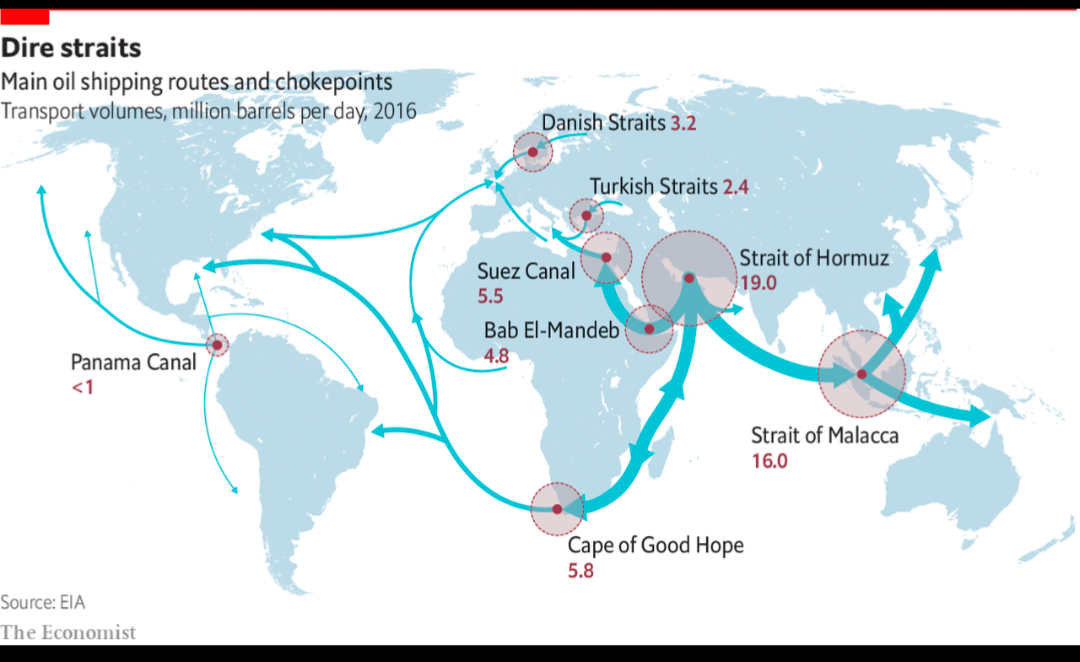
The Strait of Hormuz is one of the most critical oil chokepoints in the world. Roughly 20 million barrels of oil move through it daily.
Rising conflict and security risks have made insurers increasingly cautious about covering tankers traveling through the region.
When insurance disappears, shipping slows down or stops entirely — even without a single missile being fired.
Why Replacement Isn’t Easy?
Replacing lost supply isn’t as simple as switching to another producer.
Saudi Arabia produces heavier crude with more sulfur, which many refineries must adjust to process.
Russia still faces sanctions affecting parts of the global market.
Venezuela exports extremely heavy crude that many refineries are not designed to handle.
The United States produces large volumes of shale oil, but supply growth has limits and may not fully offset disruptions elsewhere.
The Global Ripple Effect
Oil isn’t just about fuel for cars.
It is a core ingredient in:
jet fuel for aviation
plastics and packaging
fertilizers used in agriculture
pharmaceuticals and medical supplies
synthetic fabrics and countless consumer goods
If supply disruptions continue, the effects could spread across energy, transportation, manufacturing, and food production, pushing prices higher across the global economy.
The Bigger Picture
For decades, the global economy operated under one basic assumption: energy supply would remain stable and accessible.
If major shipping routes become unreliable, that assumption — and the systems built around it — could face serious stress.