Most people think the biggest risk in AI is regulation. In reality, the bigger problem is something traders understand very well: unreliable signals.
That is the exact problem Mira Network is trying to address.
Today’s AI systems often produce confident answers that are simply wrong. In trading terms, it’s like an indicator that looks accurate but occasionally gives catastrophic false signals. The market can tolerate volatility, but it cannot tolerate unreliable data at scale.
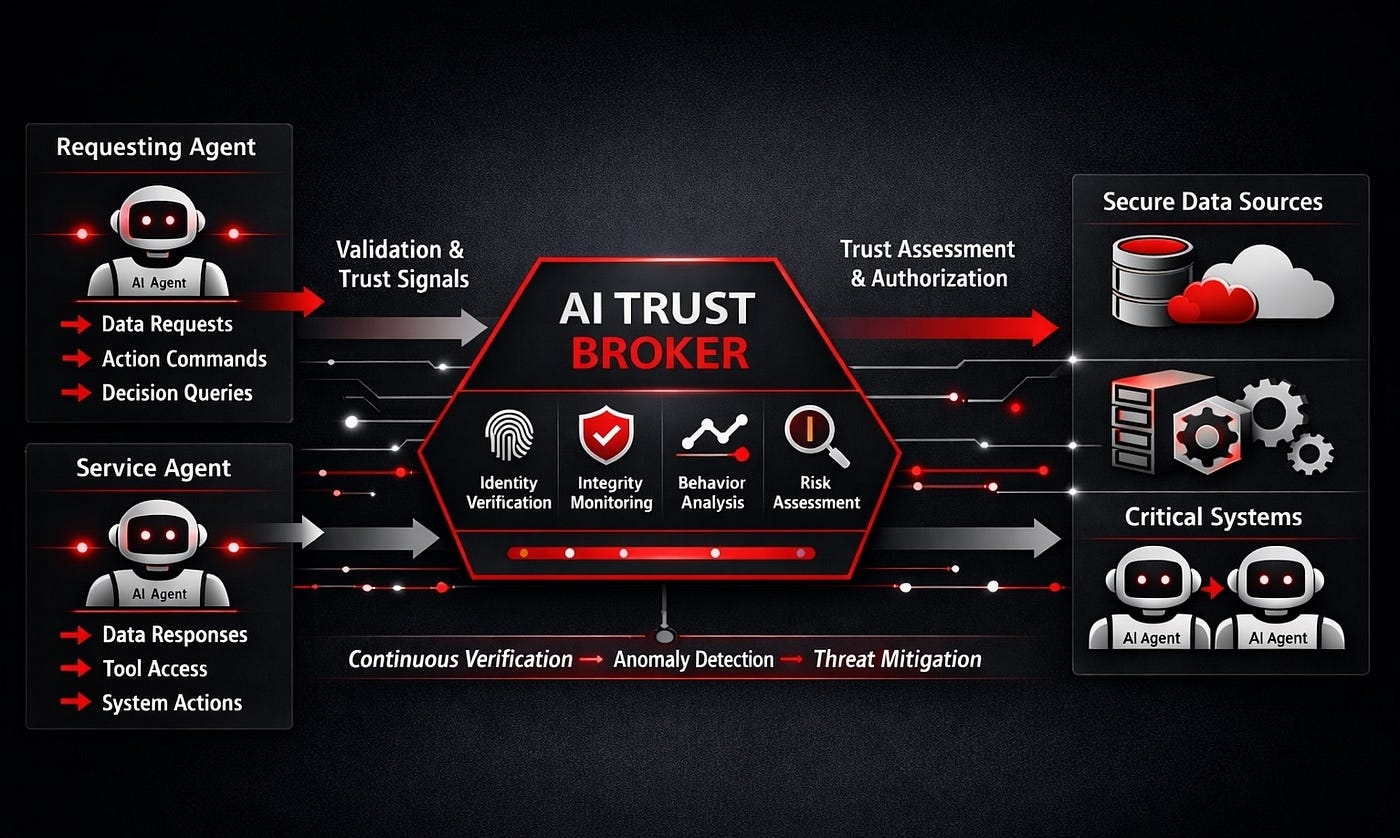
Mira’s approach is interesting because it treats AI outputs the same way blockchains treat transactions: nothing is trusted until it is verified. Instead of relying on a single model, results are broken into smaller claims and validated across multiple independent AI systems, with economic incentives pushing the network toward truthful consensus.
From a market perspective, the narrative is bigger than just “another AI project.” The real theme here is verifiable AI infrastructure. If autonomous systems are going to operate in finance, robotics, or data markets, they need trust layers similar to blockchain consensus.
However, traders should remember that infrastructure narratives often move slower than consumer hype cycles. Liquidity usually flows first to visible AI products before it rotates into backend protocols like this.
One contrarian point: if the market eventually values AI reliability over raw capability, verification layers could quietly become one of the most important sectors in crypto.
The question is whether the market will recognize that early or only after the need becomes obvious
@Mira - Trust Layer of AI #mira $MIRA #MIRA