
@Mira - Trust Layer of AI #Mira $MIRA

On Day 2, the goal shifts from “first impressions” to structural analysis.
When evaluating a blockchain ecosystem like MIRA NETWORK, three questions are useful:
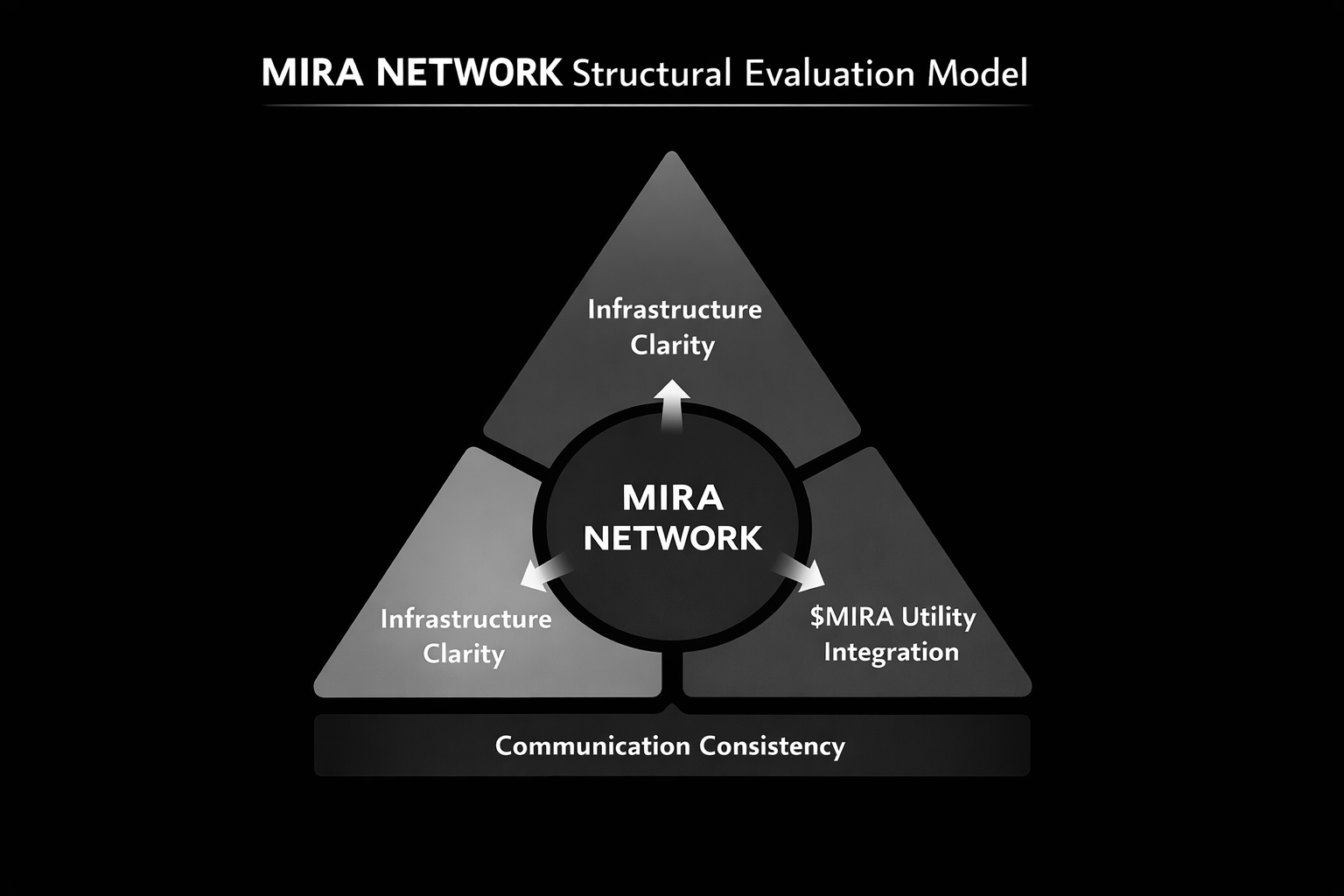
Is the infrastructure clear?
Does the token have defined utility?
Is the messaging consistent?
Let’s break this down.
Infrastructure Clarity
MIRA NETWORK appears to emphasize ecosystem development over token excitement. Its communication framework suggests that infrastructure is central to its mission.
In blockchain systems, infrastructure typically refers to:
Network architecture
Application compatibility
Participation mechanisms
Scalability considerations
While adoption metrics remain to be seen, the structural focus appears deliberate.
The Utility of $MIRA
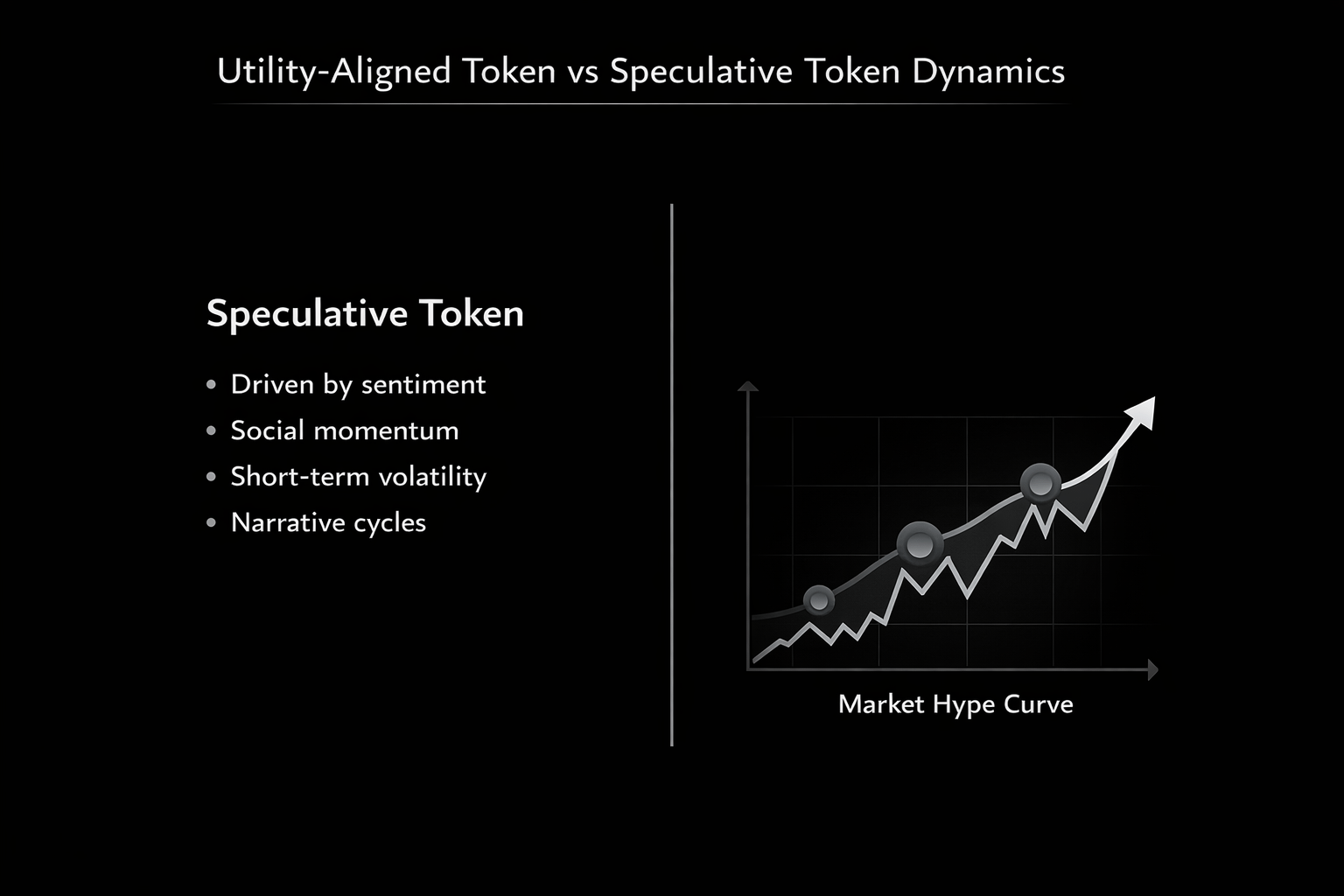
Tokens often gain or lose credibility based on how well they integrate into their ecosystems.
From available materials, MIRA seems connected to operational roles within the network. That may include participation functions and ecosystem incentives.
For beginners, this distinction matters.
A utility-aligned token behaves differently from a purely speculative one. Its value often ties to ecosystem activity rather than social momentum alone.
Communication Consistency
Consistency builds trust.
Across my Day 1 and Day 2 reviews, MIRA NETWORK’s messaging hasn’t shifted dramatically. It maintains a development-first tone.
There are no aggressive growth guarantees. No exaggerated projections.
This doesn’t guarantee success — but it signals caution and responsibility.
Risks to Consider
Even structured projects face risks
Slow adoption
Competitive blockchain environments
Technical execution delays
It’s important not to confuse clarity with certainty.