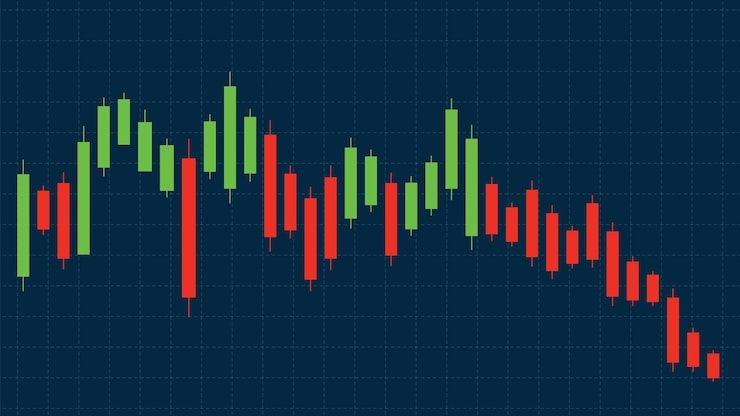
What Is Trading?
Trading is the act of buying and selling financial instruments—such as stocks, commodities, currencies, or derivatives—with the goal of making a profit. Unlike long-term investing, trading typically focuses on shorter time frames, ranging from minutes to months.
Financial trading takes place in organized markets such as the and the , where buyers and sellers interact through electronic systems or trading floors.
Types of Trading Markets
1. Stock Market
Traders buy and sell shares of publicly listed companies. Profits are generated through price fluctuations.
2. Forex (Foreign Exchange)
This market involves trading currency pairs (e.g., EUR/USD). It is the largest and most liquid market in the world.
3. Commodities Market
Includes trading physical goods such as gold, oil, wheat, and silver. Many commodity trades are executed through exchanges like the .
4. Cryptocurrency Market
Digital assets such as Bitcoin and Ethereum are traded on specialized exchanges. This market operates 24/7 and is known for high volatility.
Main Trading Styles
1. Day Trading
Positions are opened and closed within the same day. Traders aim to capitalize on small price movements.
2. Swing Trading
Positions are held for several days or weeks to capture short- to medium-term trends.
3. Scalping
A high-frequency strategy that targets very small profits from numerous trades throughout the day.
4. Position Trading
Longer-term trading based on broader market trends, sometimes lasting months.
Key Concepts in Trading
Volatility: The degree of price fluctuation in a market.
Liquidity: How easily an asset can be bought or sold without affecting its price.
Leverage: Borrowed capital used to increase potential returns (and risk).
Risk Management: Strategies to limit losses, including stop-loss orders and position sizing.
Advantages of Trading
Potential for quick profits
High liquidity in major markets
Access to global financial opportunities
Risks of Trading
Market volatility
Emotional decision-making
Potential for significant financial loss
Overuse of leverage
Essential Tools for Traders
Technical analysis (charts, indicators, patterns)
Fundamental analysis (economic data, earnings reports)
Trading platforms with real-time data
Risk management strategies
Conclusion
Trading can be both rewarding and risky. Success requires discipline, education, strategy, and emotional control. Whether trading stocks, currencies, commodities, or digital assets, understanding the market structure and managing risk effectively are essential for long-term sustainability.
If you'd like, I can also:
Create a beginner-friendly version
Write a professional-level trading article
Focus specifically on forex, stocks, or crypto trading
Add real-world examples and strategies

 GOOGLonAlpha302.4+0.95%
 MSFTonAlpha406+1.19%