*"Fabric Protocol: On-Chain Registries Redefining Robot Trust"*
The more I think about robotics the more I realize most conversations are targeted on the wrong layer. Everyone talks approximately higher sensors more potent motors smarter AI models. Very few people speak about who controls those systems once they're deployed at scale. That is where Fabric Protocol becomes interesting to me.

At first I did now not fully understand why robotics might want an open protocol. Companies already construct robots and control updates internally. But that works most effective whilst structures are isolated and centrally owned. Once robots come to be wellknown purpose agents running across industries borders and public environments manipulate turns into complicated. Governance is now not elective it will become vital.
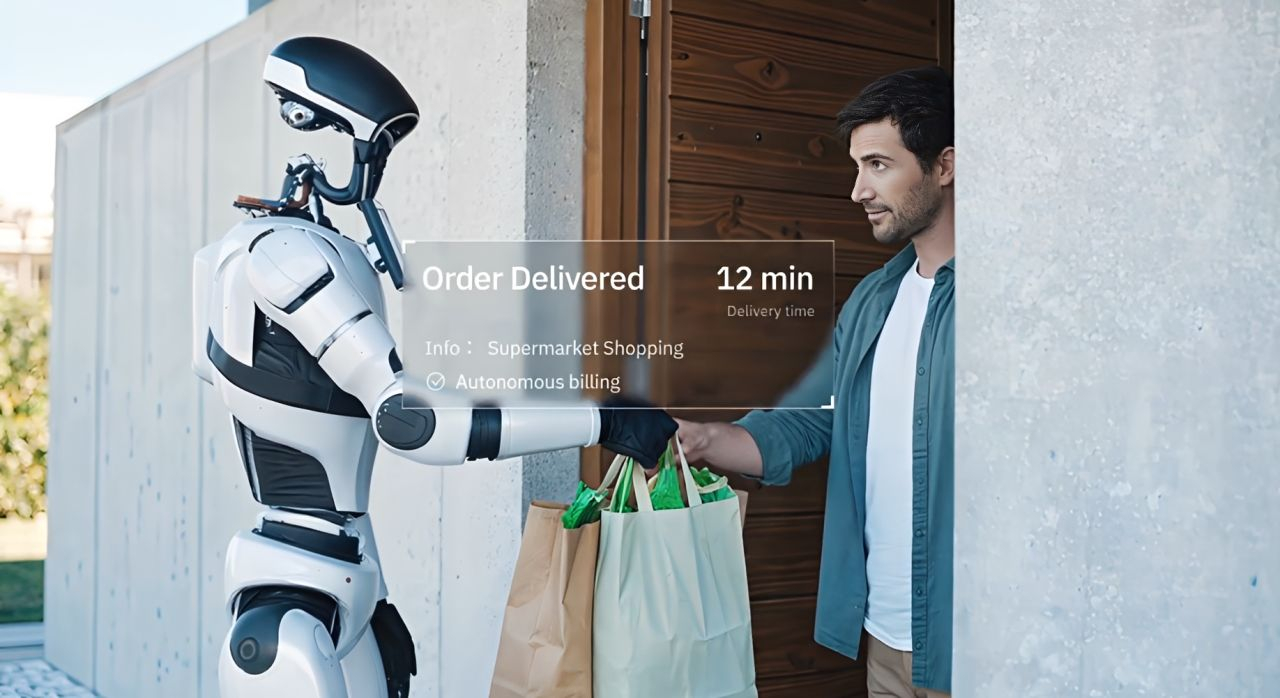
Fabric supported by using the Fabric Foundation isn't always seeking to build better hardware. It is building coordination infrastructure. The idea is simple however heavy in implication. Data computation and law are anchored through a public ledger so that movements and updates are verifiable not hidden. If a robotic performs a computation that affects human safety there have to be proof of the way that computation turned into done. Not just accept as true with in a manufacturer.

Verifiable computing is the piece that made this click for me. It introduces auditability at the device stage. Instead of taking a corporation announcement at face price you could validate the logic route. That shifts strength away from closed ecosystems and toward transparent collaboration. It additionally means regulation can evolve openly rather than thru personal patch cycles.
What sticks out is that Fabric treats robots as community contributors not gear. That is what agent local infrastructure simply means. Identity governance and replace rights are established into the protocol. $ROBO capabilities because the economic layer aligning members validators and governance actors so evolution of the community is incentive driven not arbitrary.
This space is not simple. Robotics intersects with protection law ethics and real international chance. You can not test it like a dApp and redeploy the following day. But that is precisely why open coordination subjects. If machines are going to function among people their decision paths and governance frameworks can not live opaque all the time. Fabric feels like an early try to resolve that before scale forces the problem.