

For years, blockchain innovation has focused on throughput — how many transactions a network can process per second. But there’s a deeper, more important metric that often goes ignored: execution latency.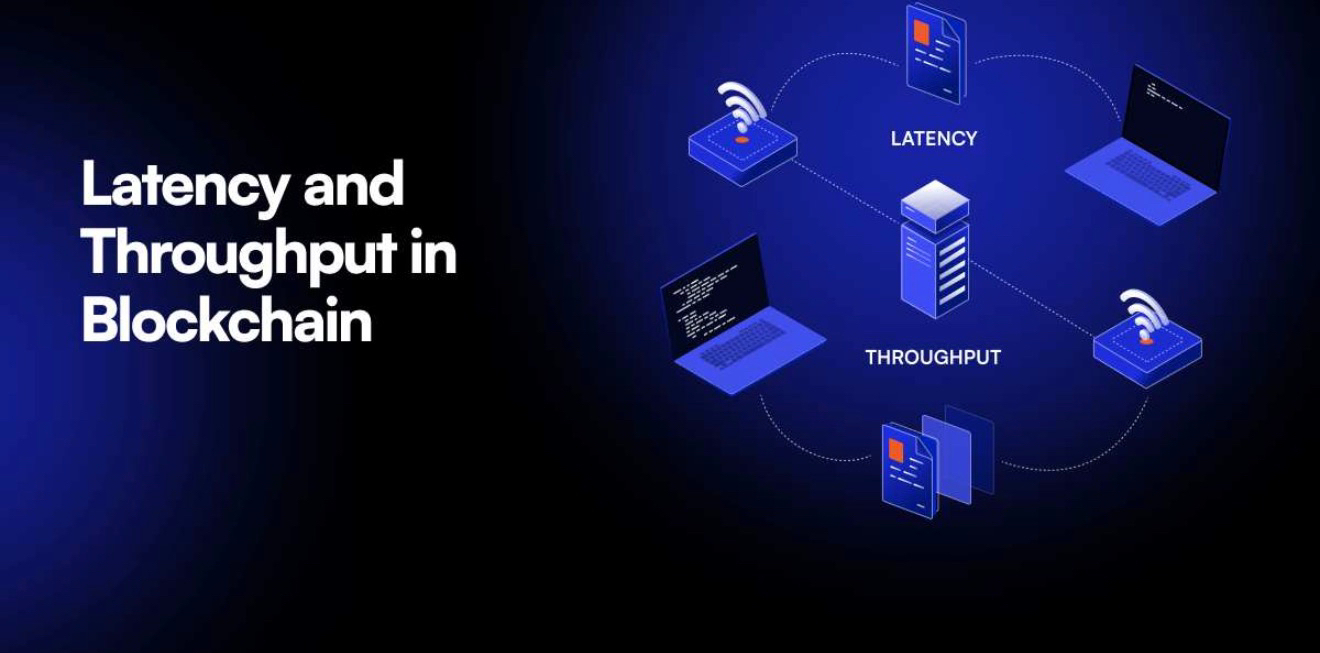
Throughput measures volume. Latency measures time.
And in the next phase of crypto, time is what matters most.
Fogo is emerging as a new execution layer built around this exact principle. Instead of optimizing for maximum theoretical throughput, Fogo is designed to minimize the time between transaction submission and final execution. This seemingly small shift has massive implications for how blockchains will support real-time systems.
Because the future of crypto won’t be driven by static transactions. It will be driven by continuous execution.
The Hidden Problem: Traditional Blockchains Are Structurally Slow
Most blockchains follow a predictable pipeline:
1. Transactions enter a mempool
2. Validators select and order transactions
3. Blocks are produced
4. Blocks are validated and finalized
5. State updates are applied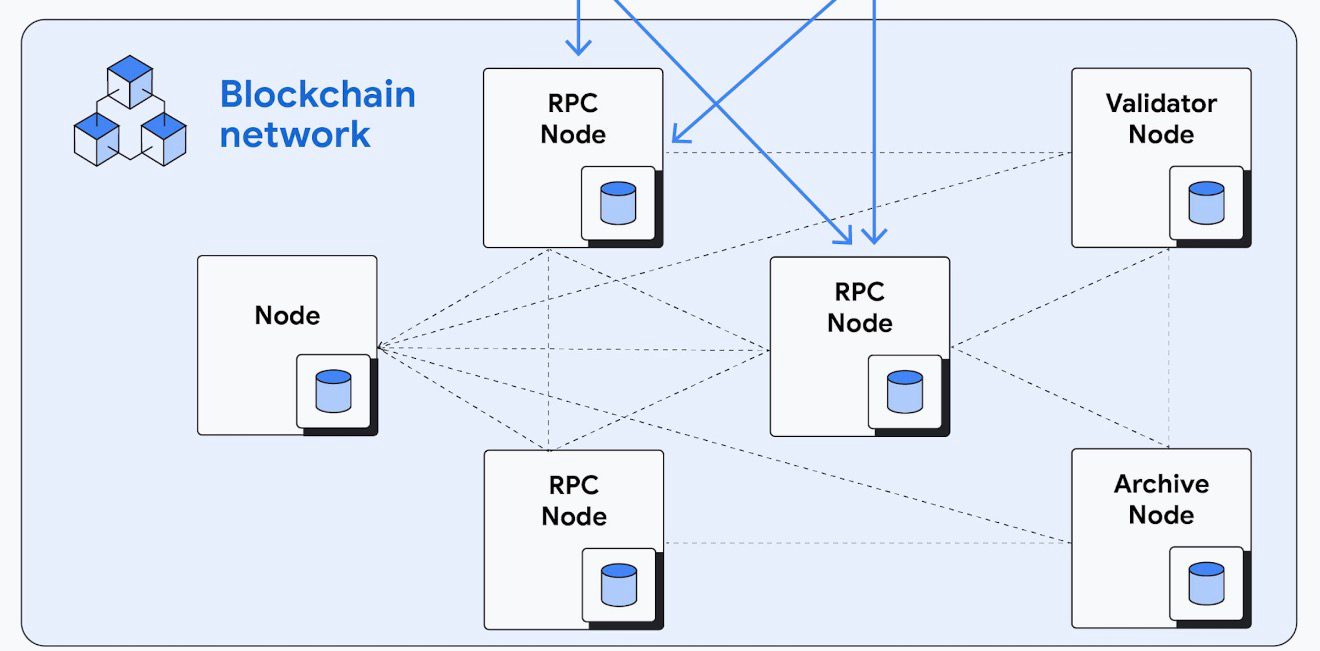
Even in fast chains, this process introduces unavoidable delay. Transactions must wait for block production cycles, validator coordination, and consensus confirmation.
This delay creates friction for applications that require immediate responsiveness.
Examples include:
• AI agents making autonomous financial decisions
• Real-time trading and liquidity systems
• Interactive onchain applications
• Autonomous machine-to-machine payments
These systems don’t operate in discrete intervals. They operate continuously.
And traditional blockchain architecture was never designed for that.
Fogo’s Core Idea: Treat Execution as a Continuous Process
Fogo changes the execution model by optimizing how quickly transactions move from submission to execution.
Instead of emphasizing batch-based processing cycles, Fogo focuses on minimizing execution delay at every stage of the pipeline. This includes improvements in:
• Validator communication efficiency
• Transaction propagation speed
• Execution scheduling
• State update responsiveness
The goal is simple: reduce the time between intent and result.
This transforms the blockchain from a periodic settlement system into a continuous execution environment.
In practical terms, this means applications can respond faster, update faster, and operate closer to real time.
Why This Matters More Than Higher TPS
High TPS numbers often look impressive on paper, but they don’t necessarily translate into better real-world performance.
A chain that processes 100,000 transactions per second with high latency can still feel slow to users and applications.
What matters more is execution responsiveness.
Fogo’s architecture prioritizes responsiveness first, which unlocks entirely new categories of applications, including:
• Autonomous AI financial agents
• Real-time decentralized exchanges
• Continuous onchain gaming environments
• Machine-driven economic systems
These systems require infrastructure that behaves like an execution engine, not just a ledger.
Fogo is designed for exactly that role.
