
The gaming landscape stands poised for transformation as technological capabilities finally align with long-standing player desires for genuine ownership and meaningful economic participation. Yet this potential transformation has been delayed repeatedly by blockchain implementations that fundamentally misunderstood what gaming requires. Fogo enters this context having learned from a decade of blockchain gaming failures, building infrastructure predicated on the recognition that successful integration demands technology serving gameplay rather than gameplay serving technology. The platform represents a comprehensive reimagining of what blockchain architecture should deliver when the primary objective is supporting millions of players engaging in continuous interactive experiences where economic elements enhance rather than compromise entertainment value.
The historical record of blockchain gaming attempts provides instructive lessons that shaped Fogo’s development philosophy. Early projects approached integration with blockchain-first mentality, designing games around blockchain capabilities rather than designing blockchain infrastructure around gaming requirements. This produced experiences where cryptocurrency wallet management, visible transaction fees, and multi-second confirmation delays constantly reminded players they were using blockchain rather than playing engaging games. Players rejected these experiences not because they opposed ownership or economic participation but because the implementations delivered inferior entertainment compared to traditional games that might lack ownership features but provided superior moment-to-moment gameplay experiences.
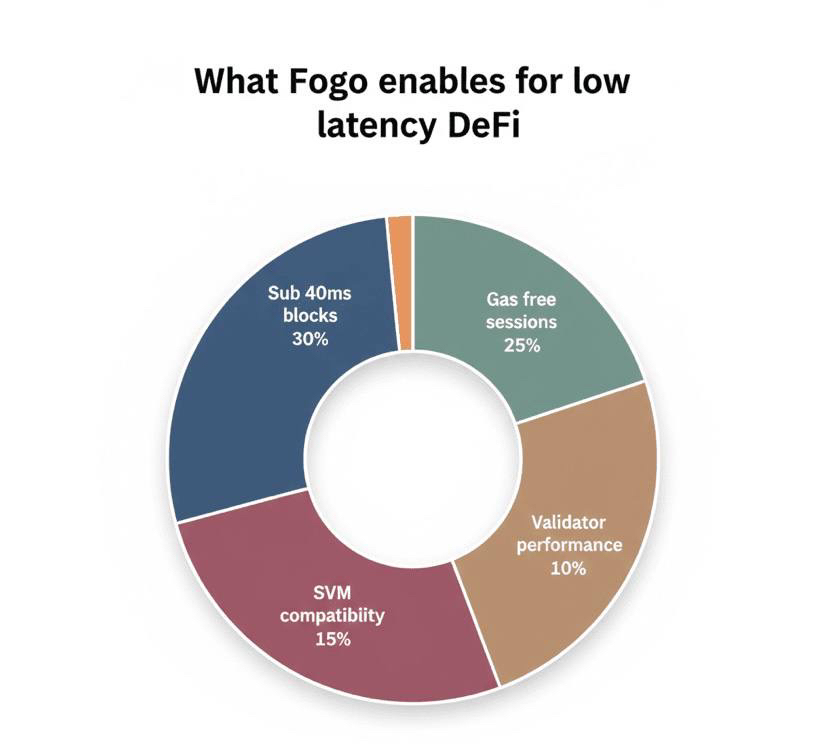
Fogo’s architectural priorities invert this failed approach by establishing gaming experience quality as the immovable constraint and engineering blockchain capabilities to serve that experience invisibly. Transaction processing achieving sub-millisecond finality ensures that player actions receive instant confirmation without perceptible delays disrupting the engagement flow that defines compelling interactive entertainment. This responsiveness transcends mere performance specification to address fundamental gaming psychology where maintaining immersive flow states depends on eliminating friction reminding players they’re operating technical systems rather than inhabiting game worlds. When blockchain mechanics become noticeable, they shatter immersion regardless of long-term ownership benefits they theoretically provide.
Throughput architecture engineered for sustained high-volume processing addresses gaming’s unique demand characteristics where transaction loads remain consistently elevated across large concurrent player populations rather than spiking occasionally. A successful multiplayer ecosystem might simultaneously support hundreds of thousands of active players continuously executing economic transactions including item trades, reward claims, marketplace interactions, and event participation. Each player action potentially generates blockchain transactions that infrastructure must process reliably without creating bottlenecks. Traditional blockchain platforms optimized for different use cases consistently fail under gaming’s sustained loads, transforming from enabling technology into fundamental constraint preventing games from achieving the population scales necessary to support vibrant player-driven economies.
Cost economics operating at fractional cent transaction fees enable gaming business models where blockchain features become genuinely additive rather than extractive. When routine actions like claiming common item drops cost meaningful amounts in fees, players rationally avoid features regardless of ownership benefits. When trading modest-value items becomes economically irrational due to transaction costs exceeding item values, marketplace activity concentrates among high-value participants while casual players remain systematically excluded. Fogo’s fee structure makes every conceivable player action economically viable, democratizing access to ownership and economic participation rather than creating tiered systems where only committed high-spending players can meaningfully engage with economic features.
Developer integration infrastructure acknowledges that gaming expertise resides predominantly in traditional development communities rather than blockchain specialist circles. Comprehensive support for Unity and Unreal Engine enables studios to incorporate blockchain capabilities without abandoning development environments where they’ve cultivated expertise across years or entire careers. Pre-built implementation patterns for common gaming scenarios including ownership systems, player-to-player trading mechanisms, reward distribution frameworks, and cross-game asset portability provide customizable starting points rather than requiring developers to architect solutions from foundational principles. This accessibility transforms blockchain gaming from niche experimental category demanding specialized knowledge into capabilities accessible across the entire mainstream gaming development community.
Economic innovations enabled through Fogo’s infrastructure extend considerably beyond simple item ownership to encompass genuinely novel gaming possibilities without traditional equivalents. Scholarship ecosystems where established players lend valuable in-game assets to newcomers create accessibility while generating passive returns for asset owners, enabling economic models impossible in traditional gaming contexts. Guild organizational structures allow players to coordinate economic activities at scales previously unachievable, creating cooperation dynamics resembling real-world economic organizations. Play-to-earn mechanics become economically sustainable when infrastructure supports distributing frequent modest rewards to large player populations without transaction costs consuming the value being created and distributed.
Cross-game interoperability capabilities represent blockchain gaming’s most ambitious long-term vision yet remain largely unrealized due to coordination complexity extending beyond pure technology. Fogo provides technical foundations enabling assets to maintain persistent identity and transferable value across different gaming experiences when developers choose to implement compatibility. Cosmetic items earned through challenging achievements might carry recognition and prestige across multiple titles. Character progression systems could potentially persist across gaming experiences rather than resetting completely with each new game. These possibilities require exceptionally careful design ensuring cross-game features enhance individual game balance rather than undermining competitive integrity, but technical infrastructure enabling implementation when designers determine it serves creative vision represents essential foundational capability.
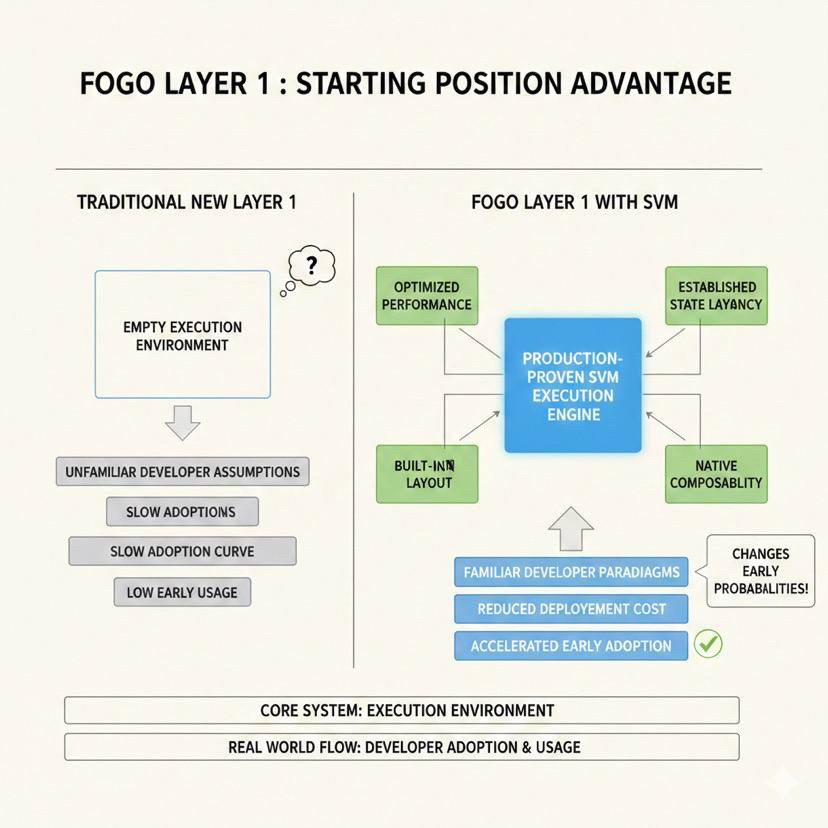
Security architecture receives paramount investment reflecting understanding that gaming assets increasingly represent substantial economic value demanding protection approaching financial system standards. Comprehensive security frameworks including formal verification of critical smart contracts, regular independent security audits conducted by specialized firms, and continuous real-time monitoring systems detecting suspicious activity patterns protect player holdings from exploits that have plagued blockchain applications across sectors. Asset custody mechanisms balance robust protection with practical usability, ensuring security measures don’t create such operational friction that players adopt risky workarounds that undermine the very protections designed to safeguard their interests.
The FOGO token establishes economic coordination across the ecosystem’s diverse participant groups including validators maintaining infrastructure reliability, developers building gaming experiences, and players participating in game economies. Validators stake tokens to secure networks and process transactions, creating economic commitment to reliable performance while facing financial consequences for poor service quality or malicious behavior. Transaction fees generate utilization-driven demand correlating with actual gaming activity as successful titles produce continuous transaction volume from engaged player communities. Governance mechanisms enable community participation in platform evolution while acknowledging that game studios require infrastructure stability and predictable development roadmaps for projects spanning multiple years from initial concept through launch and ongoing operation.
The path forward for Fogo depends fundamentally on whether blockchain features transition from experimental novelties to standard expectations across mainstream gaming. Infrastructure quality and strategic positioning create advantages should the industry broadly embrace player ownership models and open economic systems, but ultimate success requires games built on blockchain proving more engaging and economically rewarding than traditional alternatives. The central vision holds that blockchain should matter increasingly to gaming experiences while becoming progressively less noticeable to players who prioritize compelling entertainment above all else. Whether gaming culture evolves to value ownership and economic participation as highly as pure entertainment depends on infrastructure enabling seamless integration and creative designers discovering how blockchain capabilities enhance rather than compromise the core gameplay experiences that ultimately determine whether players invest sustained attention in gaming worlds. Fogo builds deliberately for that transformative future, creating robust infrastructure ready to support gaming’s economic renaissance when the industry and player communities embrace the possibilities that genuine ownership and open economies enable.