
When I first came across Vanar, I was not searching for another Layer 1 to compare on speed charts. I was honestly tired of that conversation. I wanted to understand something more human. Why does this project keep talking about real world adoption as if it is a slow cultural shift rather than a technical race?
The more I looked into it, the more I realized Vanar is not trying to win inside crypto alone. It is trying to build something that makes sense outside of it.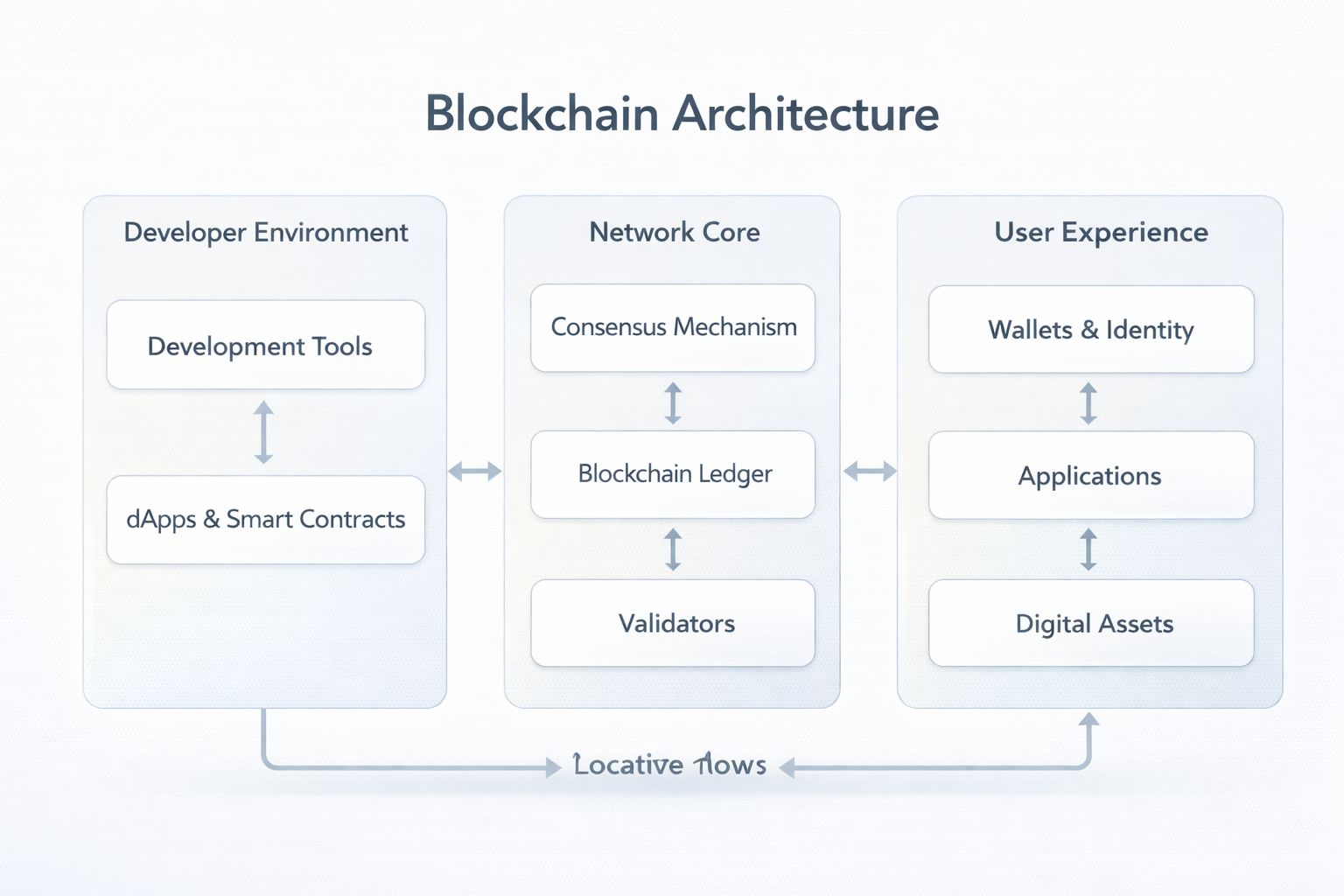
Vanar is a Layer 1 blockchain. That means it runs its own network. It does not depend on another chain to secure transactions or process data. Validators stake VANRY, the native token, to help confirm transactions and maintain the integrity of the system. When a block is added, it becomes part of a permanent record. That part is standard for most Layer 1 networks.
But what feels different here is the intention behind the structure. I am noticing that the system is designed to sit under real products. Not theoretical use cases. Not only DeFi dashboards. Real consumer facing platforms.
VANRY powers the ecosystem. It is used for fees, staking, and participation. If more users join games or digital environments built on Vanar, VANRY becomes the fuel moving that activity forward. It is not positioned as a standalone story. It is connected to the ecosystem’s growth.
One thing that makes this journey more interesting is the project’s history. Vanar evolved from Terra Virtua, which already worked with major brands and digital collectibles. They were not starting from a blank slate. They had experience launching products that real people interacted with. That background changes how infrastructure decisions are made.
If you have already worked with global entertainment companies, you understand licensing pressure, user onboarding, customer expectations. You understand that if an experience feels complicated, users simply leave. So when they built a Layer 1, they were not just thinking about developers. They were thinking about normal internet users.
Let me try to walk through this slowly.
Imagine I enter Virtua Metaverse. I create a profile. I explore digital spaces. I buy a collectible. On the surface, it feels like a normal digital interaction. Behind the scenes, the blockchain records ownership. The item becomes mine in a verifiable way.
Now imagine I play a game inside the VGN games network. I earn assets through gameplay. Instead of those items living only inside one company’s database, they exist on chain. If the ecosystem expands, those assets could potentially move across environments. It becomes less about a single game and more about a connected digital identity.
Add brands into the mix. A company launches limited digital experiences or collectibles. Ownership is transparent. Scarcity is programmable. If loyalty programs integrate with blockchain identity, digital interaction becomes more personal.
Then there is AI. If artificial intelligence tools are layered into this ecosystem, blockchain can function as a secure backbone for payments and ownership verification. We are seeing across the industry that AI and blockchain may intersect more often in the future. Vanar seems to be positioning itself as infrastructure ready for that shift.
What I am slowly understanding is that this is not about loud innovation. It is about quiet integration.
Architecturally, the choices make sense if the goal is mass adoption. A consumer focused network must handle large numbers of small interactions. It must support gaming assets, digital collectibles, smart contracts, and cross platform logic. It must be stable enough that users do not notice the mechanics working beneath them.
This direction feels intentional. Instead of building purely for speculation cycles, they are building for sustained usage. That does not mean success is guaranteed. It simply means the foundation is aligned with real world interaction.
When I look at growth signals, I try to stay grounded. The transition from Terra Virtua into a Layer 1 shows evolution. The expansion into gaming, metaverse development, AI exploration, eco initiatives, and brand partnerships shows diversification. The availability of VANRY on Binance increases access for global users.
But adoption takes time. Moving users from Web2 platforms into blockchain based ownership models requires education and patience. Wallet friction still exists. Regulatory environments continue to evolve. Competition among Layer 1 networks is intense, especially in gaming and AI segments.
These risks cannot be ignored.
If the ecosystem fails to differentiate clearly, it could blend into a crowded market. If token economics are not carefully balanced, volatility may overshadow product development. If regulations shift unexpectedly, brand integrations could slow down.
Early awareness matters. When a community understands the risks, it becomes more realistic and resilient.
Still, I cannot ignore the bigger picture I am seeing. The digital world is becoming more immersive. Gaming economies are expanding. Brands are experimenting with deeper online engagement. AI is accelerating how we interact with software.
If blockchain is going to support that future, it must become quieter. It must become something that works without demanding attention.
That is what keeps pulling me back to Vanar. It is not shouting about revolution. It feels like a steady effort to align infrastructure with human behavior.
If they continue building patiently, strengthening partnerships, refining products, and keeping the user experience simple, something meaningful could grow. Not a hype cycle. Not a temporary spike. Something integrated.
Sometimes the strongest systems are the ones we stop noticing. They simply function. They support our digital lives without making us feel like we are learning a new language.
If Vanar stays focused on that human layer, on making Web3 feel natural instead of technical, it may slowly become part of everyday digital experience. And when technology starts feeling normal instead of intimidating, that is usually when it begins to matter the most.
