I’ve been observing Fabric Protocol like someone sitting near a busy road, just watching how people move. At first, nothing seems dramatic. Just motion. Signals. Small interactions. Some step forward with confidence, others stay quiet, a few pull back when pressure rises. It doesn’t feel like a perfect system—it feels human. Like a group trying to coordinate in real time while balancing competing interests.
In calm moments, collaboration flows naturally. People talk about shared standards, long-term vision, alignment—building something strong together. The energy is open. But when demand rises or uncertainty appears, the mood shifts. Conversations shorten, decisions accelerate, patience thins. Time seems to push everyone at once.
I started noticing who becomes important under stress. It isn’t announced. No new titles appear. But certain individuals start answering questions, clearing confusion, solving problems quickly. Others begin relying on them. In the moment, it feels helpful—it reduces friction and keeps things moving.
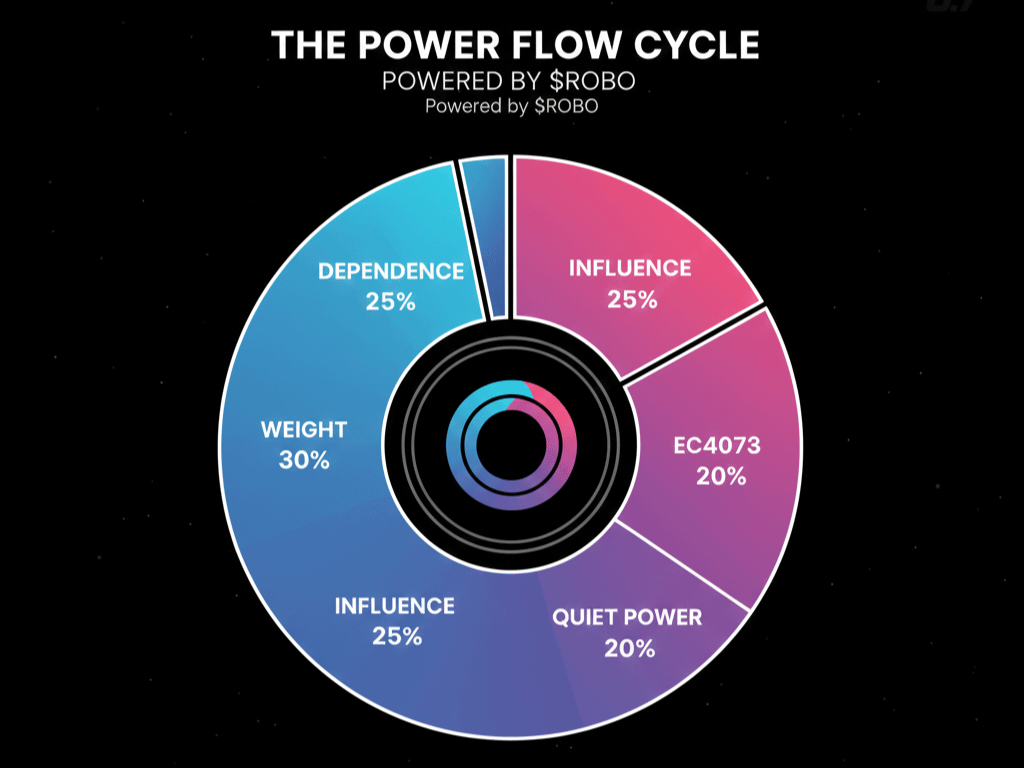
Over time, this reliance accumulates weight. Discussions revolve around the same people. Trust gathers around them. That weight slowly turns into influence. Quiet power forms—not declared, but visible in behavior.
Economic pressure quietly drives much of this. Building verifiable systems takes resources. Oversight consumes time. Coordination slows. As costs rise, people protect their time and focus on what keeps the system functioning. Ideals remain, but they compete with survival.
Compare this to how projects are presented on platforms like Binance. Everything looks structured: token supply, governance, roadmaps, utility. On paper, it seems balanced. But real behavior adds another layer. People calculate their own risk, incentives, and sustainability.
Small compromises occur. Not dramatic failures—just practical adjustments: faster decisions, less debate, more delegation. Each step makes sense individually, but together, they slowly reshape the system.
Risk exerts a strong pull. As Fabric intersects with real-world outcomes, stakes rise. Compliance, reputation, and liability gain weight. Voices familiar with regulations and limits carry more influence—not for control, but because caution feels safer in uncertainty.
Early participants join driven by belief. They care about the idea, open coordination, shared governance. Later participants are more calculated—they measure tradeoffs, evaluate risk, and prioritize stability.
As complexity grows, delegation increases. Not everyone wants to track every update, so they trust those who remain consistent, calm in volatility, and step in when things break. Trust concentrates around these individuals. Over time, the network reflects the strength of its most stable members more than the diversity of its early supporters. This isn’t collapse—it’s a quiet shift. Stability becomes attractive, especially as uncertainty rises.
When problems occur, the response tells a deeper story than the issue itself. Often, a small group absorbs the tension, acts quickly, and restores order. This helps the system but also builds dependency. Each time, the broader group becomes slightly less active in handling pressure. Concentration grows quietly—not forced, but efficient.
Fabric Protocol doesn’t move like a perfect machine. It moves like people under pressure, balancing vision and reality. Efficiency competes with openness. Speed competes with careful review. Transparency competes with cost. Every decision solves one problem but creates another.
I don’t see collapse, and I don’t see certainty. I see constant negotiation. Architecture meeting human appetite. Governance adjusting to economics. Alignment shifting slowly.
The biggest changes are quiet. They appear in who people defer to, who carries responsibility when complexity rises, and how much concentration becomes acceptable in exchange for stability.
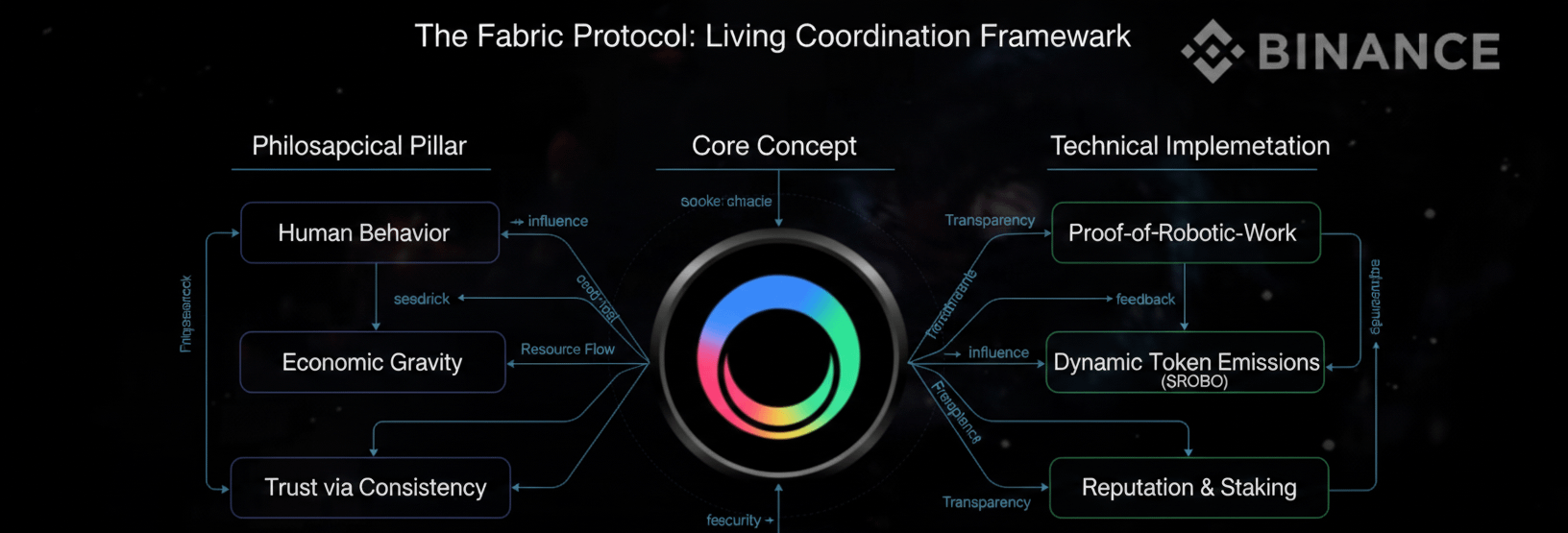
Fabric feels alive. It’s a living coordination effort, not a finished machine. It reflects human behavior under stress, economic gravity, and the formation of trust around consistency.
I keep watching because the real shift is subtle. Power doesn’t always arrive through announcements—it builds through reliance, urgency, and repeated action under pressure.
It’s not dramatic. It’s gradual. It’s human. And it shows how even systems built for distribution can slowly lean toward concentration when stability becomes the priority.
@Fabric Foundation $ROBO $ROBO


$ROBO #writearticl #like_comment_follow