
1) Step One — BOJ Tightening Changes Global Liquidity
Japan has been the world’s cheapest source of money for years.
Traders borrowed yen at near-zero rates.
They used that money to buy higher-risk assets like stocks and crypto.
This is called the yen carry trade.
When the BOJ raises rates:
Borrowing yen becomes expensive.
Traders reduce leverage.
Global liquidity shrinks.
This matters because crypto and risk assets rely heavily on cheap liquidity. Analysts say higher Japanese rates reduce the attractiveness of leveraged positions and can trigger de-risking across markets.
AInvest +1
Professional takeaway: BOJ tightening is not just a Japan story — it is a global liquidity event.
2) Step Two — Yen Strengthens → Risk Assets Feel Pressure
When rates rise:
Yen usually strengthens.
Stronger yen forces traders to close carry trades.
Capital moves away from risk assets.
Historically, unwinding yen funding has caused selling pressure in crypto because leveraged traders must repay yen loans.
AInvest
Macro traders watch USDJPY closely because:
Falling USDJPY = tighter financial conditions.
Rising USDJPY = more liquidity.
3) Step Three — Why Crypto Often Drops First
Crypto behaves like a high-beta liquidity asset.
When BOJ tightens:
Leverage decreases.
Funding conditions worsen.
Bitcoin volatility rises.
Past tightening cycles showed that carry-trade unwinds tightened crypto liquidity and pressured prices.
MEXC +1
Professional logic:
Cheap yen → flows into BTC
Expensive yen → flows out of BTC
This is why crypto traders fear BOJ meetings even more than some Fed meetings.
4) Step Four — Why Gold Can React Differently
Gold reacts through a different channel:
BOJ tightening can create:
Risk-off sentiment
Equity weakness
Currency volatility
In these conditions:
Investors hedge using gold.
Funds rotate from speculative assets into safe havens.
So you often see:
Crypto ↓
Gold ↑ (or stable)
Not always, but this is a common macro pattern.
5) The Real Pro Insight Most Retail Traders Miss
The headline “rate hike” itself is NOT the main driver.
What really moves markets is:
Speed of yen strengthening
Surprise vs expectations
Positioning of leveraged traders
For example:
If markets already expect a hike, crypto may not crash.
If BOJ surprises with aggressive tightening, liquidity shock can be strong.
Even analysts warn that the carry trade unwinding can trigger sudden de-risking moves across macro portfolios.
AInvest
6) Simple Chain Reaction (Trader Model)
Here is the simplified macro model traders use:
BOJ Hawkish
→ Yen strengthens
→ USDJPY falls
→ Global liquidity tightens
→ Risk assets sell
→ Bitcoin pressured
→ Gold gains as hedge
If BOJ turns dovish instead:
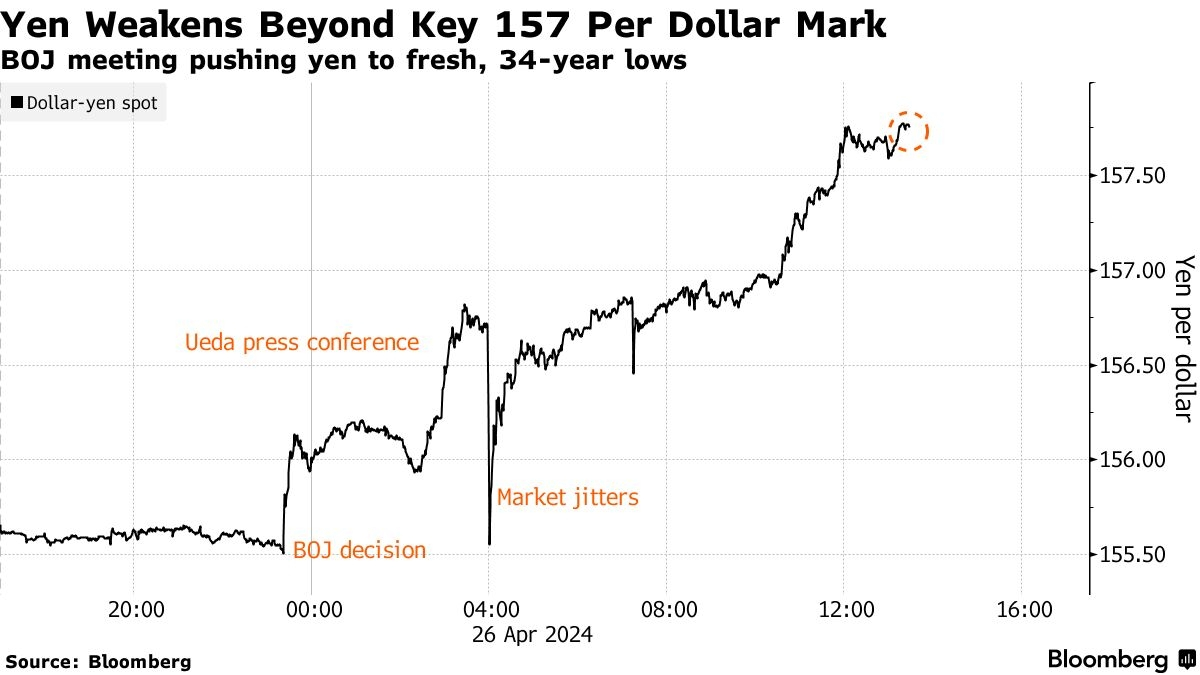
Yen weakens
→ Liquidity expands
→ Crypto rallies faster than gold
7) My Honest Macro Outlook (Neutral Analysis)
If March BOJ meeting turns hawkish:
Short term:
Bitcoin volatility increases.
Altcoins usually react more aggressively.
Gold may get defensive inflows.
If BOJ delays hikes:
Crypto sentiment improves.
Gold may slow down unless geopolitics drives it.