
What is Fogo, and why is its name starting to appear in conversations where people no longer chase noise but look for stability? What role can another high-performance L1 really play in the lives of traders, brokers, developers, or even ordinary users who may never think about blockchain architecture? In a market that has already seen countless launches, what kind of change could a network built around the Solana Virtual Machine realistically introduce? These are the broader questions shaping current discussions, especially now that the crypto environment feels quieter, more regulated, and less driven by hype. Many participants are no longer asking which chain will dominate headlines; instead, they are asking which infrastructure can operate consistently when attention fades. A recently shared photo showing transactions moving steadily across a simple terminal screen reflects this shift in perspective — the focus has moved from spectacle to quiet functionality.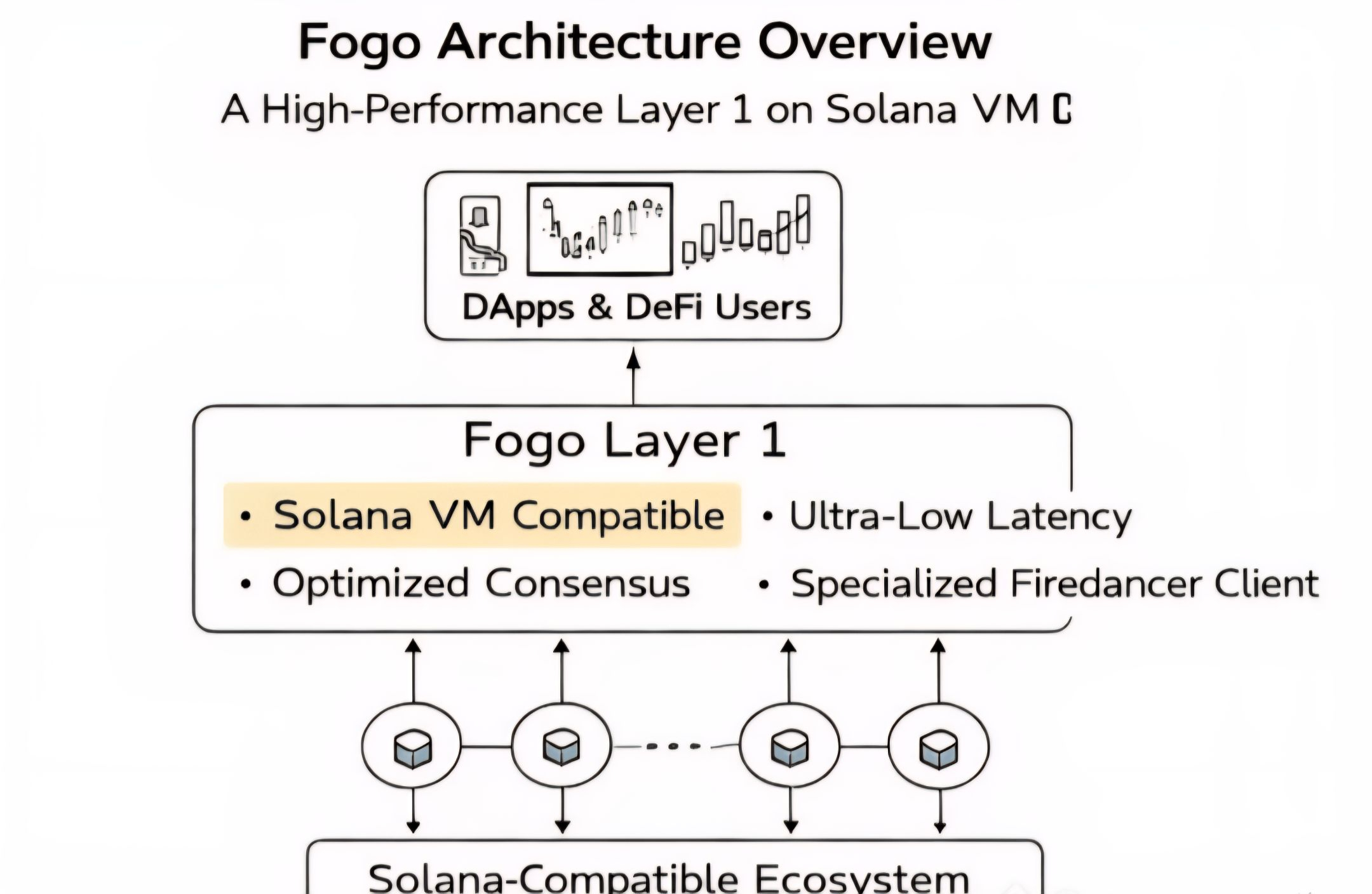
Fogo’s presence begins to make sense when viewed through that lens. By leveraging the Solana Virtual Machine, it positions itself not as a complete reinvention of blockchain logic but as an evolution built on a familiar execution environment. For developers, this familiarity reduces friction because existing tools and workflows can transition more naturally, allowing builders to focus on refining applications rather than constantly adapting to new systems. For traders, the practical impact may appear through smoother execution and infrastructure designed to handle high throughput without the instability that has defined earlier experimental networks. Brokers and liquidity providers may see value in predictable performance, where the technical foundation feels steady rather than reactive to short-term narratives. These changes may seem subtle, yet they represent a shift toward reliability that has become more valuable in a post-speculative market.
In everyday life, the influence of networks like Fogo is rarely visible in dramatic ways. Most users do not notice which virtual machine processes their transactions; they notice whether a wallet interaction feels seamless, whether fees remain manageable, and whether delays become less common. If Fogo succeeds in enabling applications to run more efficiently behind the scenes, the result is not a sudden transformation but a gradual improvement in user experience. This is where its role differs from many earlier Web3 experiments that relied heavily on attention and storytelling. Instead of demanding constant belief, the emphasis appears to lean toward consistent infrastructure — systems that continue operating even when the broader market is uncertain or fatigued.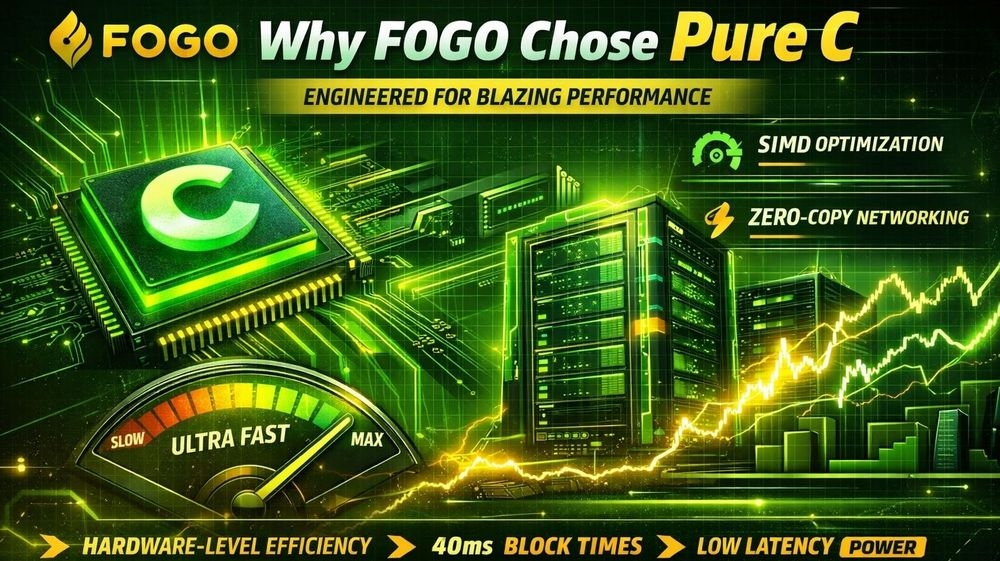
Comparisons with other L1s and Web3 ecosystems naturally arise, yet the distinction is not simply about claiming superiority. The integration of the Solana Virtual Machine suggests a focus on continuity rather than disruption, which may appeal to developers who are tired of rebuilding from zero with every new chain. While some networks attempt to differentiate themselves through entirely new paradigms, Fogo’s approach reflects a quieter philosophy: improving performance and accessibility within a framework that many participants already understand. In an environment shaped by regulatory normalization and fading speculation, this kind of incremental improvement can carry more weight than ambitious promises.
Ultimately, the broader conversation around Fogo highlights how the crypto space itself has matured. The most important question is no longer whether a project can attract sudden attention, but whether it can sustain trust over time. If infrastructure becomes more stable and easier to build upon, the benefits ripple outward — developers create more reliable applications, traders operate in environments with fewer disruptions, and ordinary users interact with blockchain tools without needing to understand the complexity beneath them. The takeaway feels less about excitement and more about clarity: progress in this phase of the market is measured by endurance and quiet functionality, and networks like Fogo are evaluated not by how loudly they arrive but by how steadily they continue to move forward long after the noise fades. @Fogo Official #fogo $FOGO
