A recent analytical report from the Center for Strategic and International Studies (CSIS) warns of a catastrophic shift in Middle Eastern security. If an attack is launched against Iran, Tehran is expected to abandon all "red lines," potentially targeting the entire energy infrastructure of the Persian Gulf.
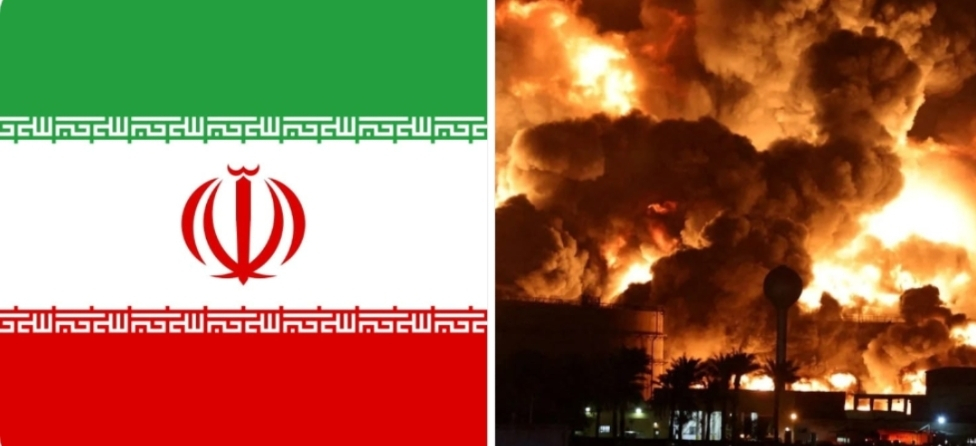
For investors and market watchers on Binance Square, this isn't just a geopolitical warning—it’s a massive volatility signal. Here are the four disruption scenarios that could send shockwaves through the global economy:
1. The Blockade: Disruption of Iran’s Exports
If the U.S. or Israel attempts to blockade Kharg Island or seize tankers, expect an immediate $10–$12 jump in global oil prices. However, the real danger lies in Iran’s "unpredictable" retaliation against U.S. regional allies, which could turn a local disruption into a global crisis.
2. The Chokepoint: Closing the Strait of Hormuz
Iran holds the "kill switch" for 18 million barrels of oil per day. By utilizing drones, precision missiles, and naval mines, Tehran could effectively halt traffic through the Strait. This would force shipping operators to withdraw, causing a vertical spike in prices as supply chains vanish overnight.
3. The Direct Strike: Attack on Iranian Facilities
Targeting Iran’s domestic oil infrastructure is a one-way ticket to $100+ oil. Beyond the immediate loss of supply, CSIS warns that destroying these assets would provoke a "regrettable response," likely triggering long-term shortages and a cycle of endless escalation.
4. The "Most Likely" Chaos: Regional Infrastructure Blitz
This is the nightmare scenario. CSIS identifies direct Iranian strikes on Saudi, Emirati, and Kuwaiti oil fields and export terminals as the most probable response.
* Price Target: Oil rockets above $130/barrel.
* Total Halt: Not just oil, but the region’s massive LNG (Gas) exports would stop completely.
Why the Strait of Hormuz is Irreplaceable
Many assume the world can simply "bypass" the Strait. CSIS debunked this myth:
* Saudi Arabia: Can reroute less than 50% of its exports via the Red Sea.
* UAE: The Fujairah port helps, but 1/3 of its exports would still be trapped.
* Iraq, Kuwait, Bahrain, & Qatar: These nations have zero alternative routes. If the Strait closes, their exports drop to zero.
> Market Note: In a world where energy is the ultimate currency, the "Persian Gulf Powder Keg" remains the single biggest risk to global financial stability in 2026.
>
What’s your strategy for a $130 oil environment? Let’s discuss below! 👇