I didn’t start looking into FOGO because I was hunting for the next headline-grabbing chain. I started because I’ve watched trading infrastructure fail in familiar ways—latency that looks great in demos, systems that behave unpredictably under load, and networks that promise resilience without proving it. When Fogo Network kept coming up in conversations about low-latency trading and resilient consensus, I decided to look past the slogans and into the intent.
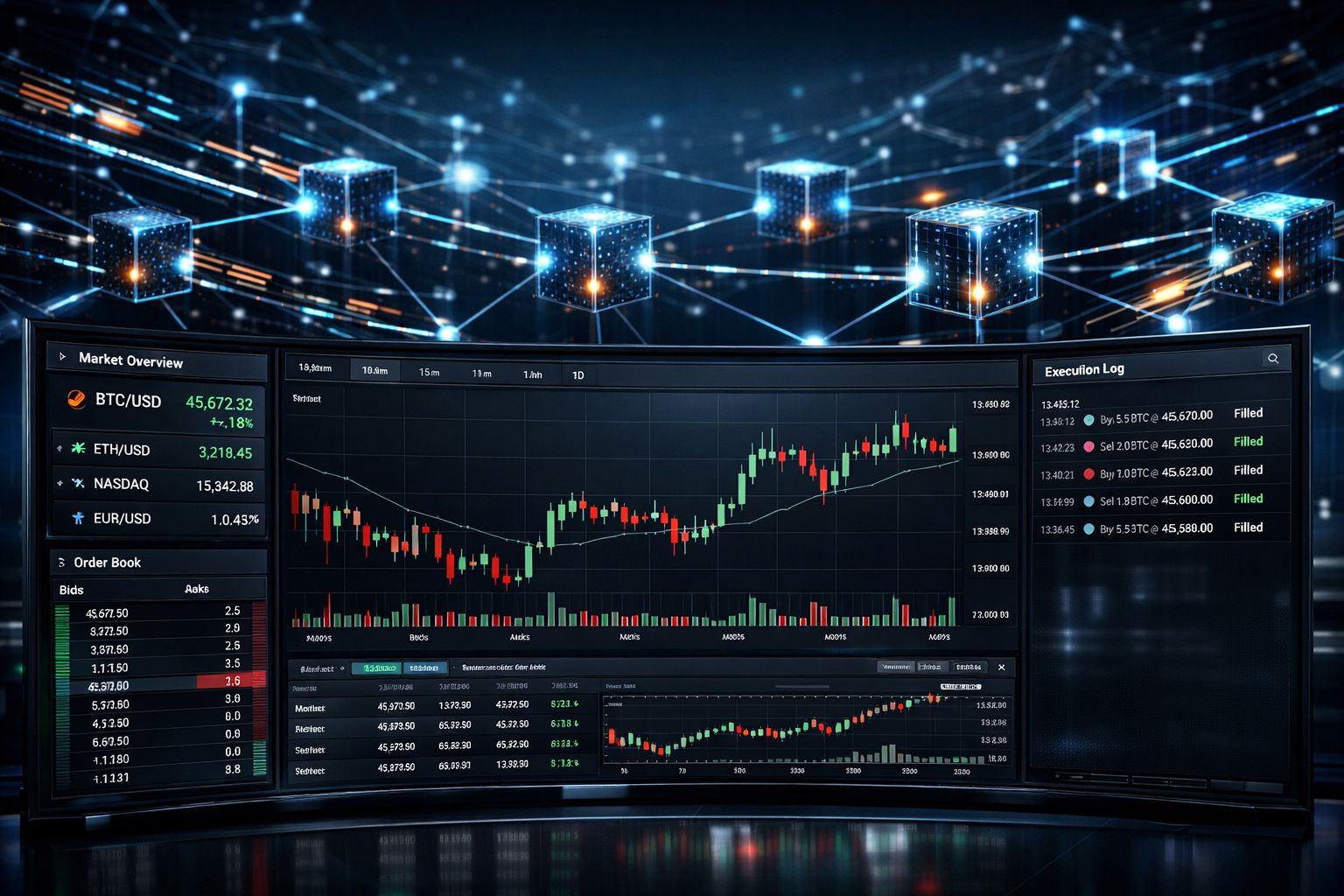
FOGO presents itself as infrastructure for trading first. That focus matters. It’s not trying to be everything at once—social layer, gaming hub, NFT playground. The emphasis is narrower: execution speed, coordination across locations, and behavior that holds together when markets get noisy. From my experience, that’s the right place to start if the goal is serious trading activity rather than casual experimentation.
The headline feature people talk about is speed. Low latency isn’t new in itself, but it becomes meaningful when paired with consistency. Trading systems don’t just need fast responses; they need predictable ones. Orders, cancellations, and updates must behave the same way at 3 a.m. during a volatility spike as they do in calm conditions. FOGO’s design choices suggest an awareness of that requirement, not just a desire to post impressive numbers.
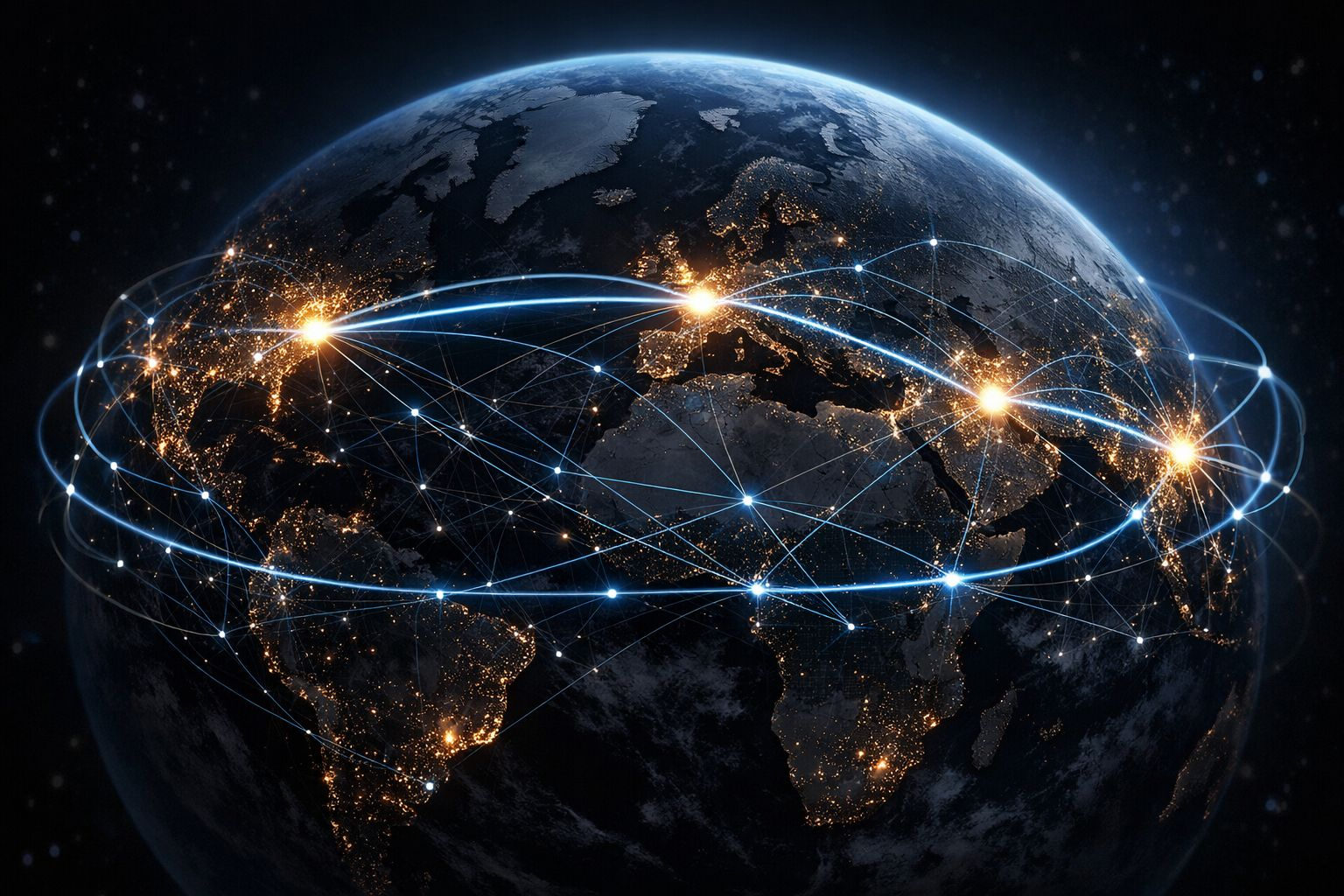
What caught my attention next was the approach to consensus across multiple locations. In theory, distributing coordination geographically can reduce regional outages and smooth latency. In practice, it also increases coordination complexity. Timing differences, network variance, and partial failures are where systems reveal their character. FOGO’s architecture seems to be built with the assumption that those situations will happen—not as edge cases, but as normal operating conditions.
I also pay attention to what isn’t emphasized. There’s less talk of instant ecosystem dominance and more focus on infrastructure behavior. That usually means adoption is expected to come from trust rather than incentives. Trading infrastructure grows differently from consumer apps. It doesn’t win by being trendy; it wins by working reliably long after the novelty wears off.
Another thing I consider is who this network is really for. FOGO doesn’t feel designed for casual users clicking around for the first time. It feels aimed at systems that run continuously—exchanges, market-making infrastructure, and services that can’t afford ambiguity. That’s a demanding audience. These users don’t forgive instability, and they don’t wait around for fixes if something breaks.
That framing changes how I interpret the “next-gen” label. To me, next-gen isn’t about new terminology or higher theoretical limits. It’s about whether a network behaves more like real trading infrastructure and less like an experiment. That bar is high. It’s set by moments of stress, not by calm periods.
What I do find compelling is the underlying assumption shaping FOGO’s design: that trading blockchains should be built to handle pressure by default. That assumption influences everything from latency targets to consensus design. It doesn’t guarantee success, but it aligns incentives around the right problems.
So what is FOGO? From where I stand, it’s not a finished story or a guaranteed breakthrough. It’s a focused attempt to build a Layer-1 that treats trading as a first-class workload and designs around the realities that come with it. Whether it earns the “next-gen” label will depend on how it performs when conditions are least forgiving.
In trading infrastructure, results don’t show up in announcements. They show up when the system keeps doing its job while everything else is under strain. That’s the standard I’ll keep watching.