
The Problem Nobody Talks About
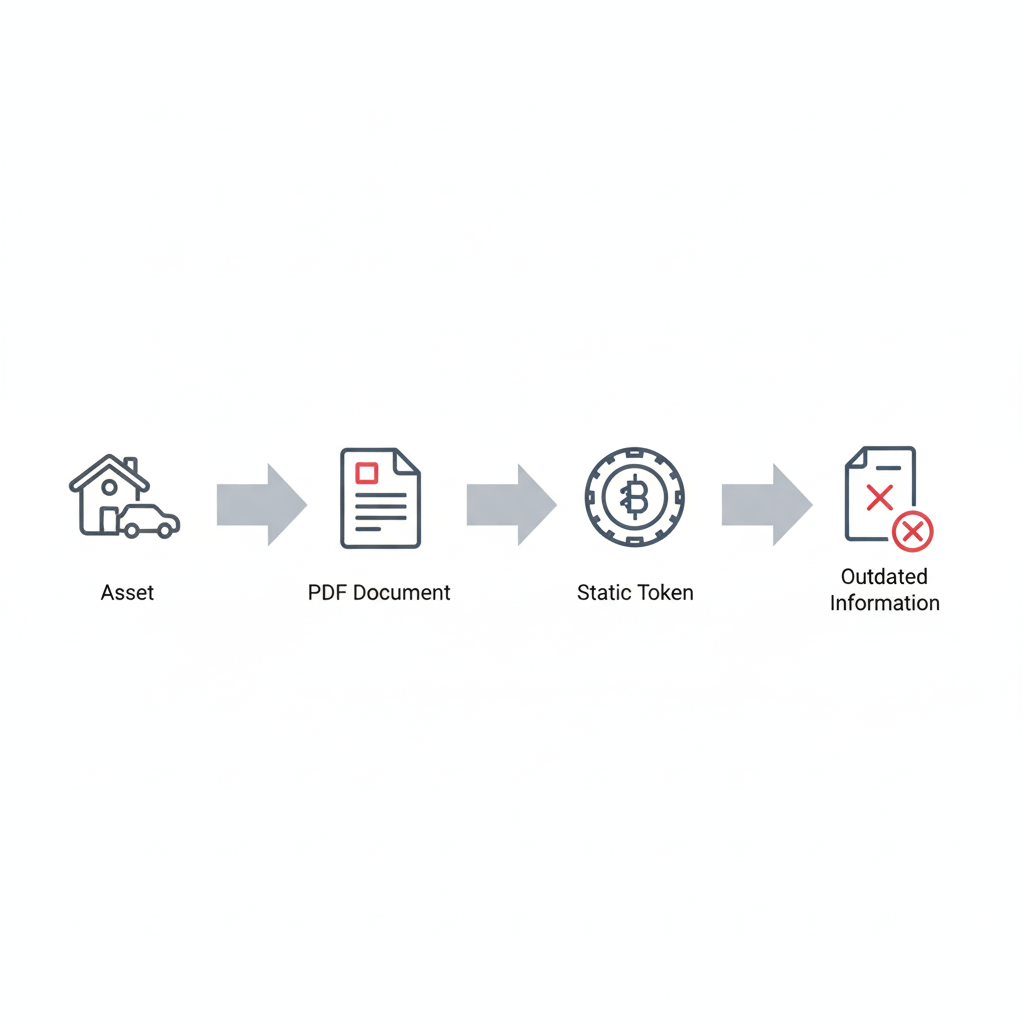
Right now, theres a massive problem in the blockchain world that nobody really wants to admit. We're all excited about Real-World Assets (RWAs) being tokenized on blockchain - things like real estate, art, bonds, and other valuable stuff. But heres the dirty secret: most of these "revolutionary" digital assets are basically just expensive PDFs sitting on a server somwhere.
Think about it. You buy a token that represents a piece of real estate. What do you actually get? A digital token that points to a document. Thats it. The document dosent update itself. It cant check if the property taxes were paid. It dosent know if the building got damaged or if someone filed a lien against it. Its dead data - frozen in time like a photograph.
What Makes Data "Dead"?
Dead data in blockchain is information that cant change or update itself. Its like having a phonebook from 1995 - sure, it was accurate when it was printed, but good luck trying to call anyone from it today.
Most RWA platforms on Ethereum, Solana, or other chains work like this:
Someone creates a token representing an asset
They upload a PDF or document with details
The token gets minted and traded
The original document never changes (even when reality does)
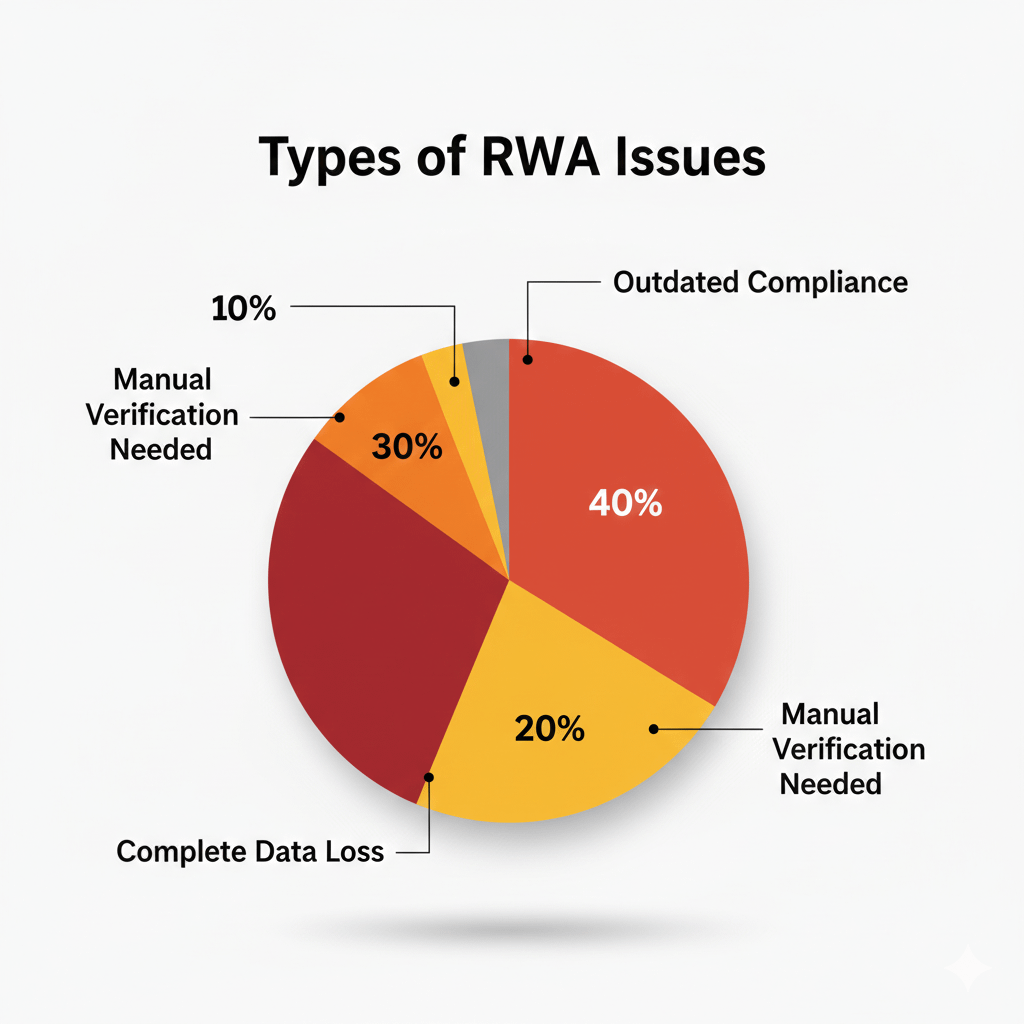
This creates huge problems. Imagine you own a tokenized apartment building. Six months later, the building needs major repairs, the insurance policy expires, or local regulations change. Your token? Still pointing to that same old document. Your investment might be worth half of what you thought, but the blockchain has no idea.
Real World Example: The German Real Estate Mess
Last year, a German company tokenized several comercial properties on a major blockchain. They sold millions in tokens to investors worldwide. Everything looked great in the documents - full occupancy, good tenants, strong returns.
But six months later, three major tenants left. The property values dropped. Insurance policies needed renewal. By the time investors found out through traditional channels (emails and reports), the token prices were completly disconnected from reality. People were trading tokens worth 100 euros for what should have been 60 euros in actual value.
The problem? The tokens were just pointing to the original documents. Nobody could update them automatically. It took lawyers, auditors, and weeks of manual work to get new documents, verify them, and try to update everything. By then, trust was broken and investors had lost money.
Enter Vanar Chain and Neutron Seeds
This is were Vanar Chain's approach with $VANRY gets really intresting. Instead of creating dead tokens, they've developed something called Neutron Seeds a completly different way of handling RWAs.
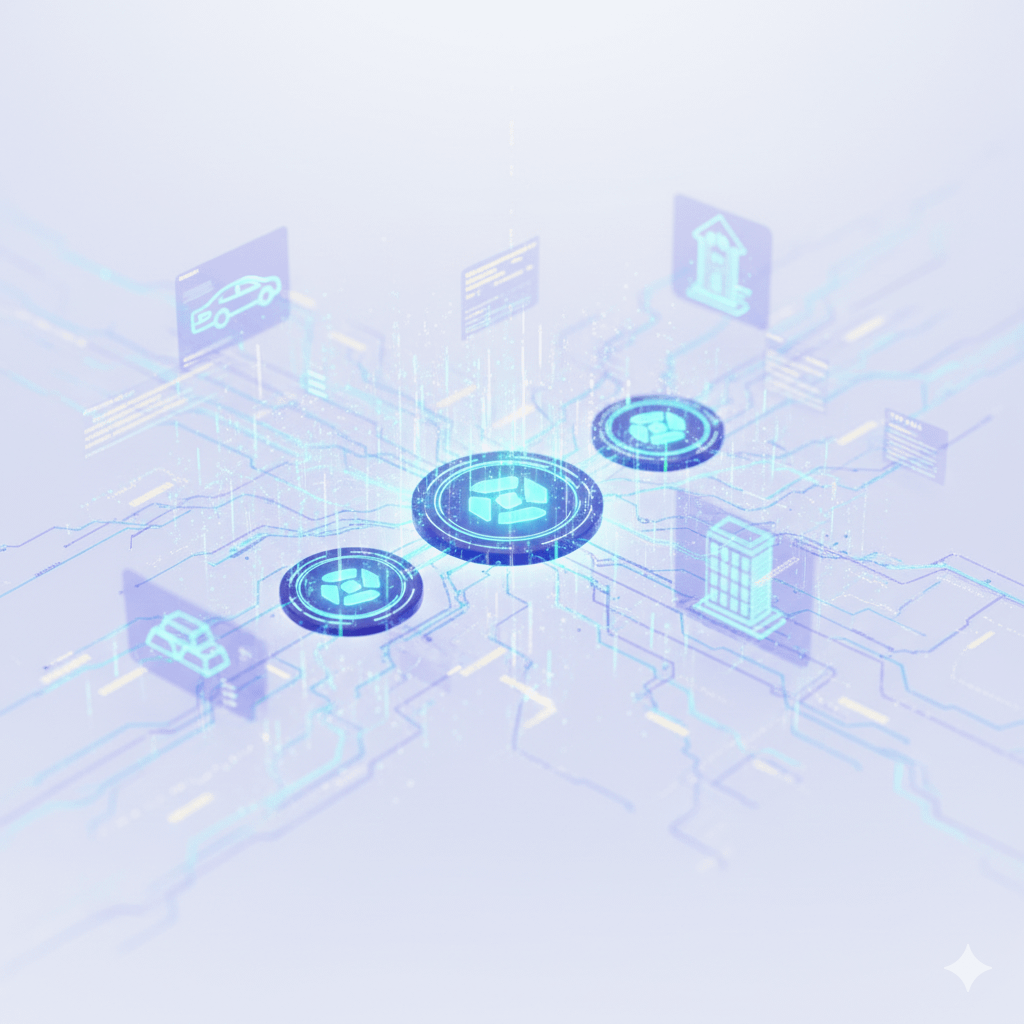
Think of Neutron Seeds like living organisms instead of photographs. They can:
Update their own compliance data automatically
Check external sources for changes in regulations
Audit themselves without human intervention
Adjust their own rules based on smart contracts
Communicate with other systems to verify information
Its the differance between a printed map and Google Maps with live traffic updates. One shows you how things were when it was made. The other shows you whats happening right now.
How Living Assets Actually Work
Instead of just linking to a static PDF, Vanar's Neutron Seeds contain programmable logic that can:
Self-Audit: The asset checks its own compliance status regularly. Did the insurance expire? The token knows. Did property values in the area change? The token can query real-world data feeds and adjust.
Dynamic Updates: When regulations change (and they always do), the Neutron Seed can update its own compliance logic. No need for manual intervention or expensive legal reviews every time.
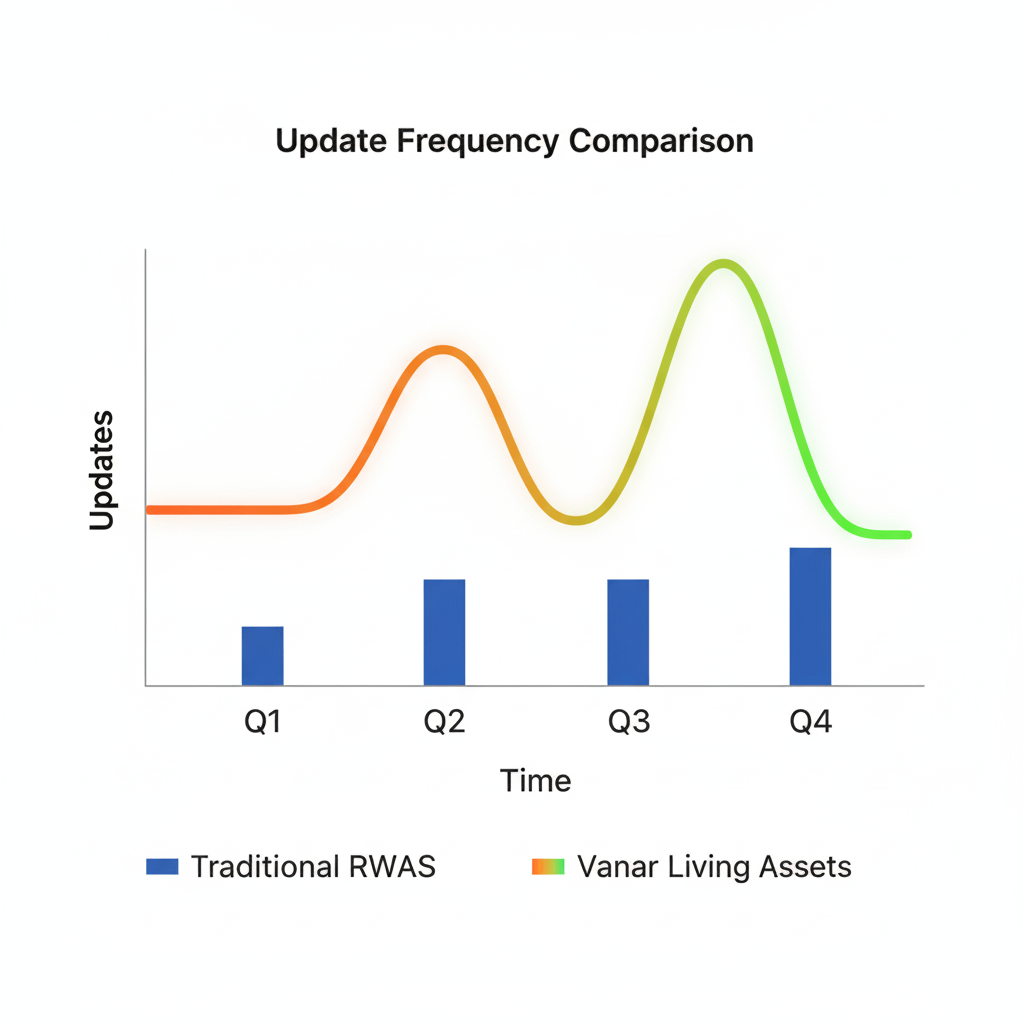
Real-Time Verification: Instead of waiting for quarterly reports, the asset continuously verifies information. Its like having a 24/7 auditor built into the token itself.
Why This Matters for Investors
If your investing in RWAs, you need to understand this differance. A dead token means:
Your buying yesterdays information
You need to trust intermediaries to update things
By the time you know somethings wrong, its too late
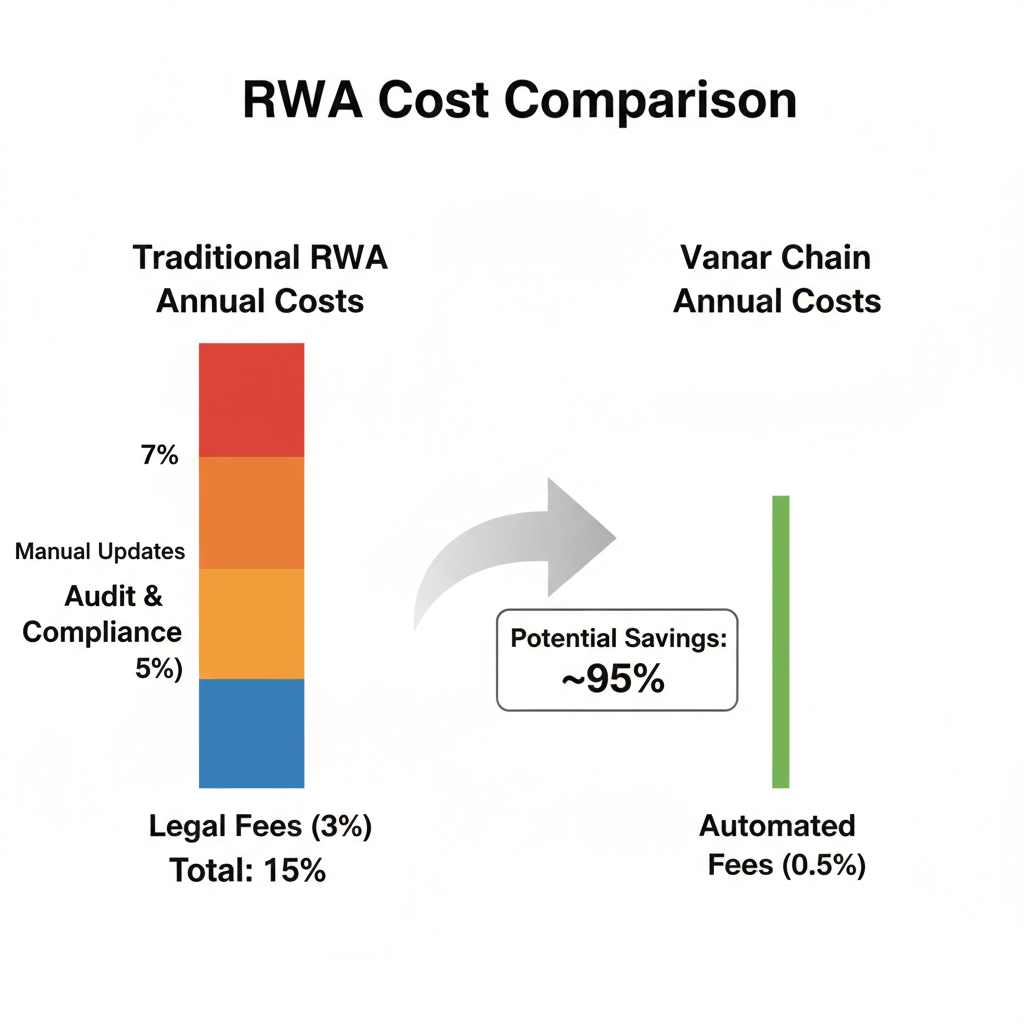
More expensive legal and audit costs
A living asset on Vanar means:
Your token reflects current reality
Automatic compliance updates save money
Problems get flagged immediatly
Lower overhead costs for asset managment
The Bigger Picture for $VANRY
This technology dosent just make better tokens - it changes the entire game for RWAs. When assets can self-audit and update, you remove huge amounts of friction, cost, and risk from the system.
For $VANRY holders, this means the Vanar Chain is solving a real problem that other blockchains cant address with their current architecture. As more people realize that dead data is a liability, demand for platforms that offer living assets will grow.
Think about traditional finance. They spend billions on compliance, auditing, and updating records. Vanar's aproach automates most of that. Thats not just innovative - its necessery for RWAs to actually work at scale.
Conclusion
The "dead data" crisis in RWA tokenization is real, and its costing investors money and trust. While other chains are content with fancy PDFs on servers, Vanar Chain with $VANRY is building the infrastructure for assets that can think, update, and adapt.
The future of RWAs isnt about better ways to link to documents. Its about creating truly living digital assets that reflect reality in real-time. And thats exactly what Neutron Seeds are designed to do.
If you have any questions or feedback please let me know in the comments.
Disclaimer: This post is for informational purposes only. It is not financial or investment advice. The cryptocurrency market is volatile. Always do your own research (DYOR) before investing.
