In most Layer 1 conversations, performance is a marketing term. What I’ve seen is more fundamental: infrastructure quality is a silent governor of behavior. When a network is built on a bespoke Firedancer client that is optimized for stability and performance, and validators are running in high-performance data centers, unpredictability goes down. And when unpredictability goes down, the psychology of the builder changes.
“Build for now, design for the future” is commonly misinterpreted as “ship fast.” On Fogo, it’s more like engineering constraint discipline. By optimizing for deterministic execution and proximity to validators, the network reduces the variance of latency. This isn’t just a UX win; it’s a way of changing economic planning. Builders can forecast better.
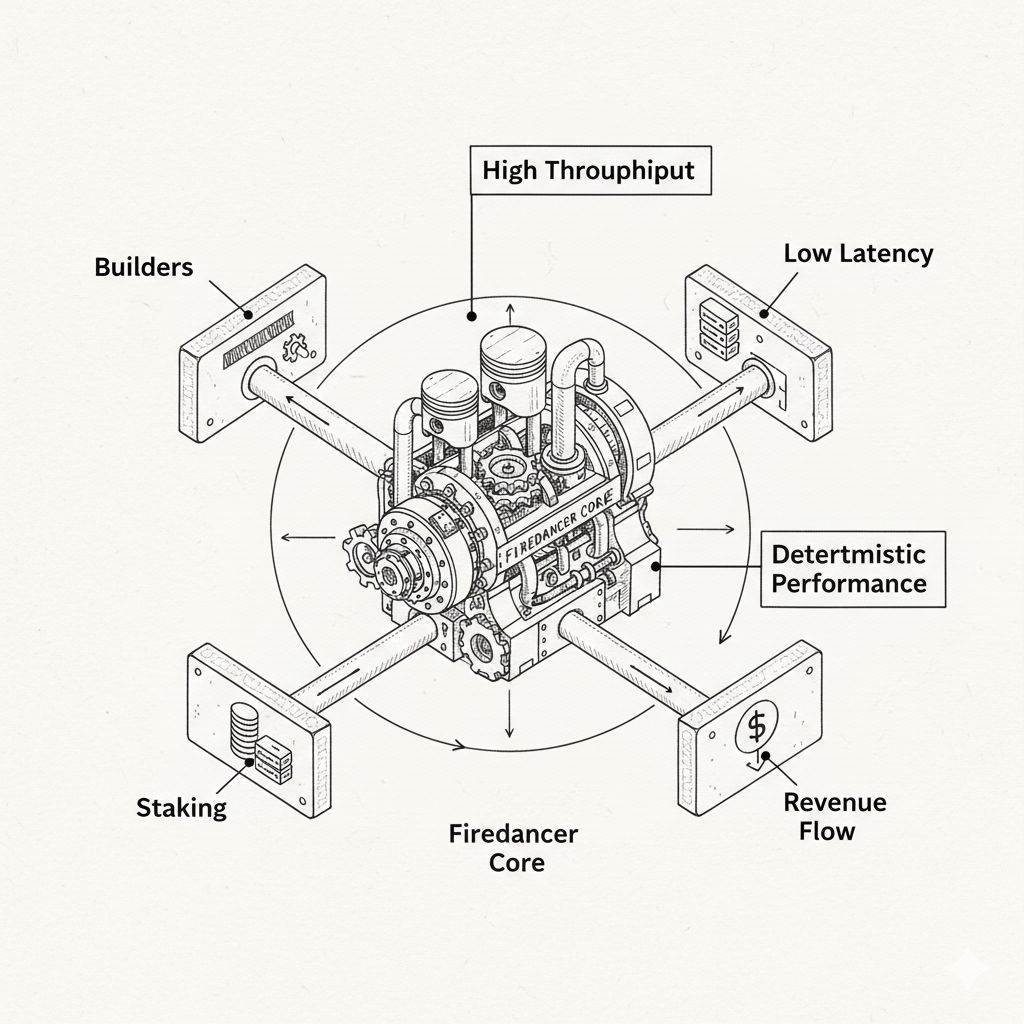
This predictability is like invisible governance. Rather than having rules to enforce discipline, physics does the job. Those teams that rely on jitter, congestion games, or opportunistic MEV networks will find that there is less space for them to maneuver. Those teams that are working on real products will find that there is less noise. Performance will be a filter for intent.
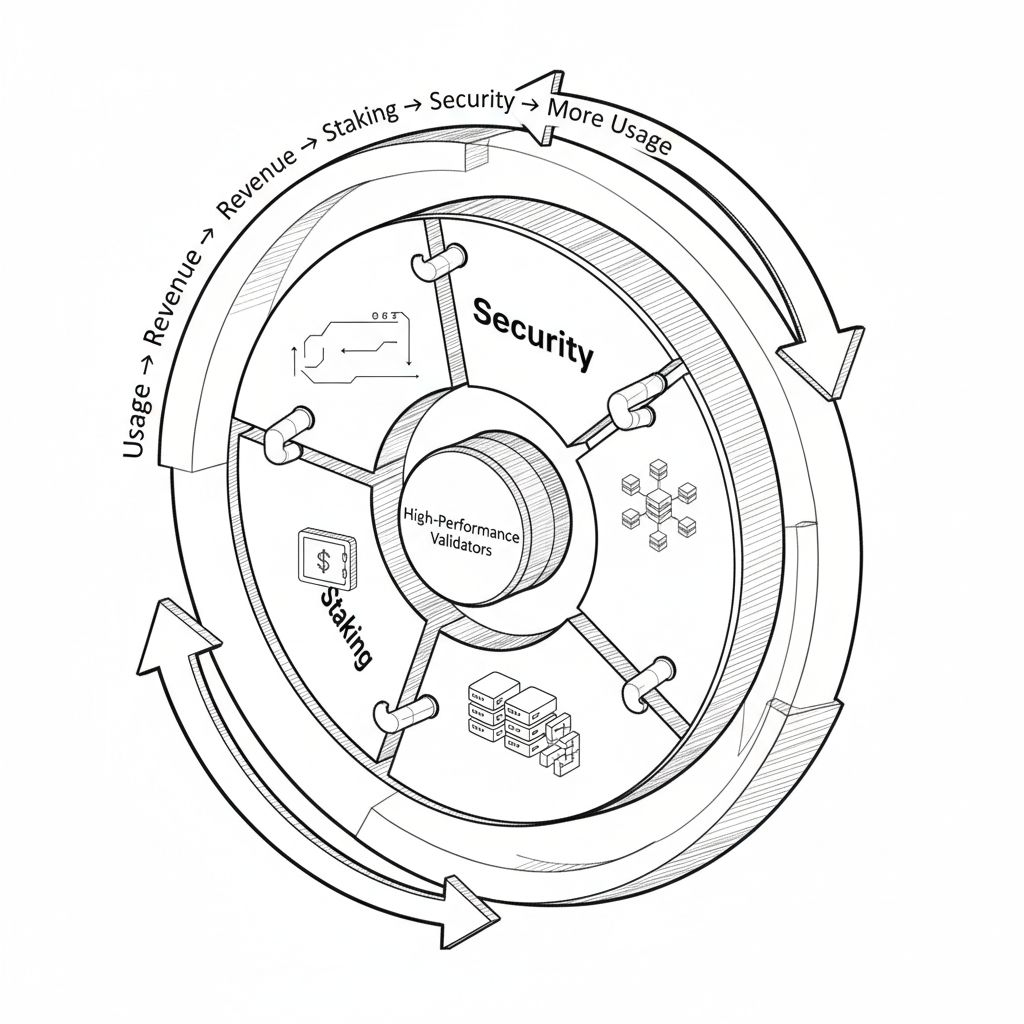
The $FOGO token structure cements this cycle in place. Gas costs, staking rewards, and foundation-supported revenue contributions all combine to create a circular incentive system. When projects pay value back into the system, the system compounds on real performance rather than speculative peaks. The economic engine is tied to performance, not stories.
What’s interesting is that the kind of governance that happens in this case is not social but architectural. By designing the foundation layer with performance in mind, Fogo prevents the possibility of chaotic design in the future. The quality of infrastructure is turned into cultural scaffolding. In the end, networks are built not by slogans but by physics.