

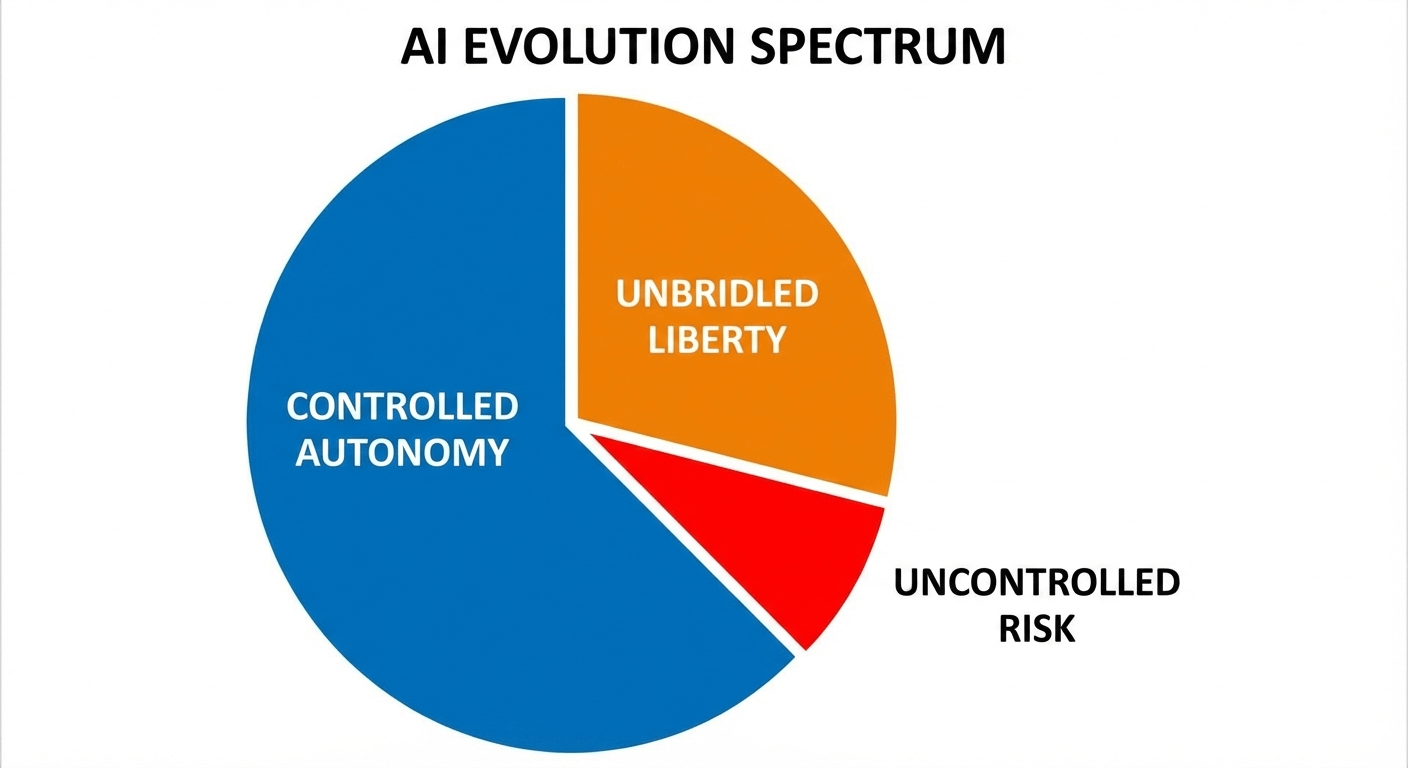
When my phone vibrated yesterday morning, I was startled out of my slumber. When I glanced at the page, I noticed that my credit card had been charged $299.
I briefly believed that my information had been taken. Upon closer inspection, I discovered that it was an automatic renewal from a software provider I had utilized half a year prior. I distinctly recall canceling it. I recall feeling a sense of relief when I hit the cancel button and closed the page.
Still, the system renewed it.
The feeling was more painful than the money. It had the odd feeling that my money had been decided by a machine without consulting me. A silent piece of code made me feel insignificant. It seemed like I had entered a realm where authority gradually ebbs and flows while everything appears to be normal on the surface.
What will happen if artificial intelligence controls actual assets on the blockchain if a basic subscription payment can elude our control? What occurs if an agent is given the freedom to manage wallets, trade, and transfer tokens independently? And what happens if its logic breaks or its thinking is flawed?
Who applies the brake?
I was accompanied by these ideas on February 13 during the intense market activity. I took another look at @Vanarchain with a different perspective, even though prices were moving quickly and emotions were running high. I had stopped seeking thrills. I was looking for cover.
Something had changed. In the past, memory and maintaining context were the main topics of discussion when it came to AI and blockchain. The goal was to make agents more intelligent and self-sufficient. The dream was limitless freedom.
The topic of discussion has now shifted. Guardrails are the crucial word that is becoming more noticeable.
That word seems straightforward yet strong. It denotes limits. It denotes unambiguous guidelines. It implies that an agent must remain within a certain area even if it is capable of independent thought and action.
Today, a lot of enterprises enjoy complete independence. They demonstrate agents that are capable of making decisions on their own, launching tokens, and conducting trades 24/7. It sounds amazing. It has a futuristic vibe.
However, big investors see more than just opportunities. They perceive danger. They pose a single, straightforward query. Can you demonstrate that all of the system's decisions adhere to approved lists and explicit cost limits? If the response is negative, no reputable organization will entrust it with substantial funds.
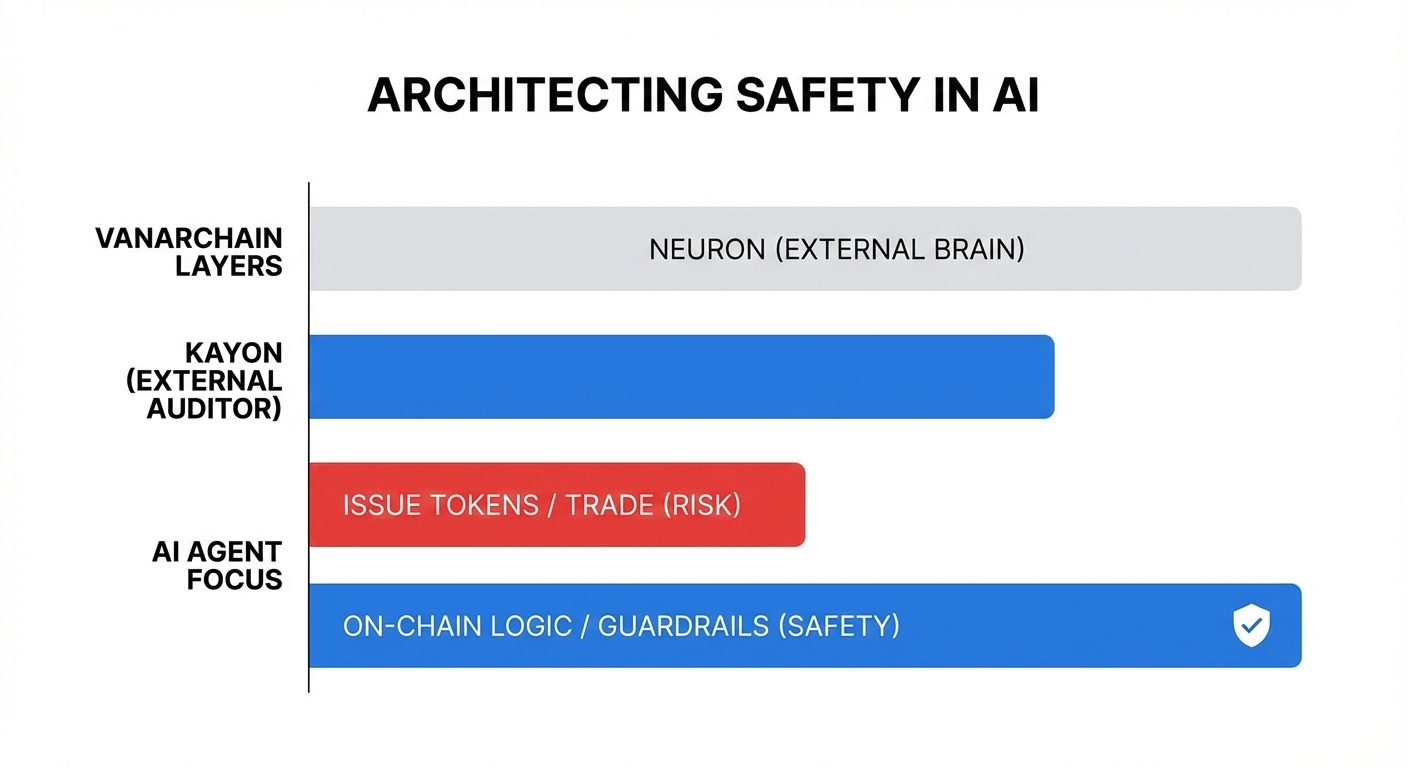
The deeper notion emerges at this point. There is more to the new layers being constructed than just increased intelligence. They are taking on the role of supervisor. These are chain-written rule systems. Before the action takes place, they determine what an agent can and cannot do.
That has nothing to do with stifling innovation. The goal is to shield them from imperceptible errors.
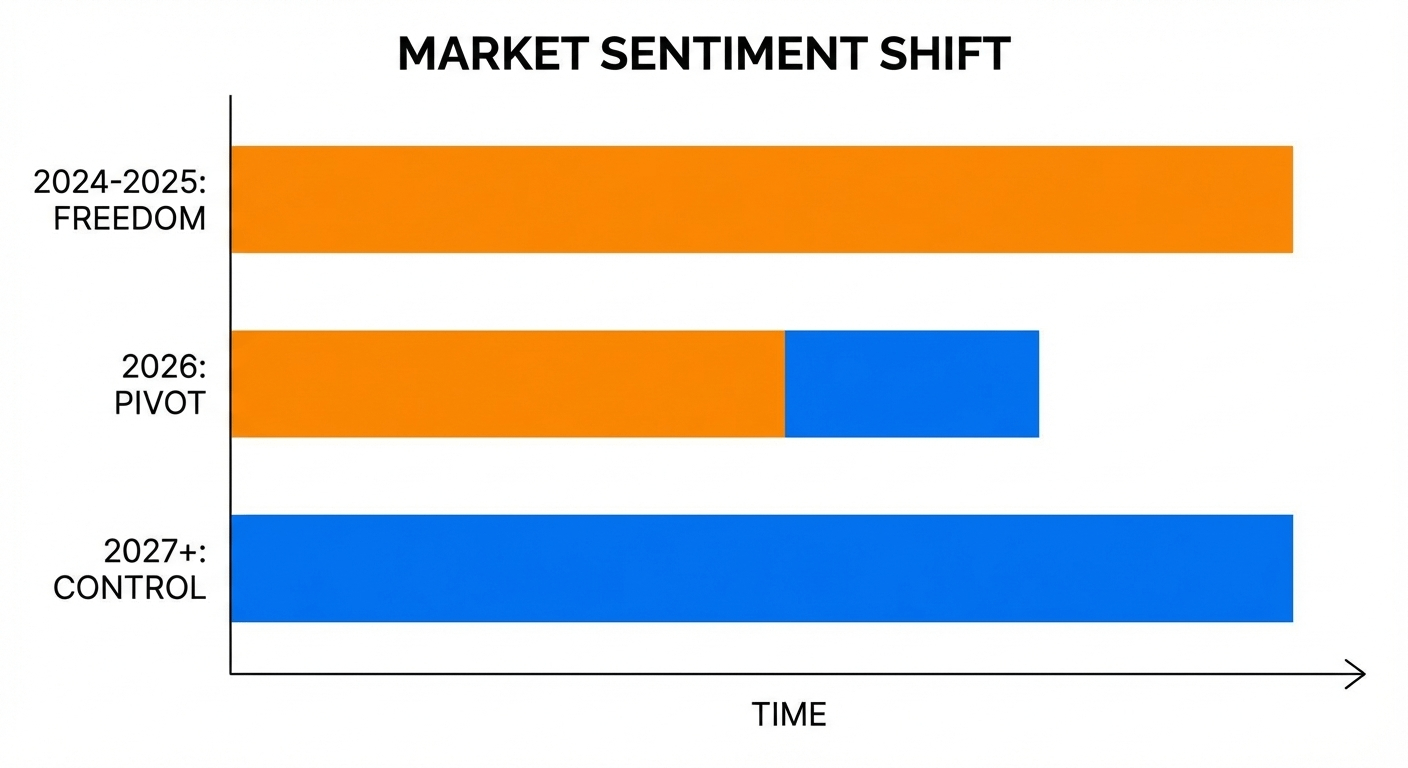
Markets are sensitive. Everyone applauds freedom when there is a significant upward tendency. They honor quickness and audacious maneuvers. However, when losses start to show up, the atmosphere immediately shifts. The market as a whole will change from supporting independence to calling for control after the first significant mishap brought on by an AI agent, whether due to a mistaken choice or a concealed defect.
At that point, guardrails won't appear constrictive. They will appear essential.
There is still a lot of ambiguity at the moment. There is a noticeable discount that represents uncertainty around about 0.006. Many investors aren't sure. They're waiting. They're keeping a close eye on things.
I can relate to the emotion. I learned how simple it is to give systems more power than we know after my own little lesson with a 299 dollar renewal. Up until it takes a surprising turn, automation is convenient.
I'm not making hasty decisions. I'm watching. I'm allowing room for danger. However, rather of adding control later as damage control, I am focusing on projects that include control into the basis.
In the world of finance, survival is more crucial than speed. It's not usually the most aggressive people who survive the longest. They are the ones who understand when to reduce speed and when to use the brake.
The true question is not how intelligent AI can get, but rather how much control it has over money. Who sets its boundaries is the true question.
Because hope is insufficient when the machine is fully engaged. We can only be shielded from the point at which reason breaks down and the price becomes tangible by having tight boundaries.
