
The stark reality confronting blockchain technology after more than a decade of intensive development is that mainstream consumer adoption remains frustratingly elusive despite extraordinary technical progress. While decentralized finance attracted billions in capital and cryptocurrency trading became a global phenomenon, the vast consumer economy operated by major brands remained almost entirely untouched by blockchain innovation. Vanar emerged from recognizing that this failure isn’t attributable to lack of brand interest, insufficient technological maturity, or regulatory ambiguity, but rather stems from a fundamental architectural mismatch between what blockchain platforms deliver and what consumer enterprises genuinely require to operate successfully at global scale serving hundreds of millions of customers.
The observation driving Vanar’s strategic development came from witnessing an identical failure pattern repeat across industries, geographies, and organizational contexts. Brand innovation teams would identify genuinely compelling strategic applications for blockchain capabilities including verifiable digital ownership transforming customer relationships, transparent supply chain tracking building consumer trust, or revolutionary loyalty programs offering genuine asset portability. Technical evaluation would systematically reveal that existing blockchain platforms fundamentally couldn’t deliver the performance characteristics, economic models, regulatory compliance features, or user experience quality that consumer applications absolutely demand. Development organizations would attempt creative workarounds and architectural compromises, launching constrained pilot projects demonstrating theoretical viability while simultaneously exposing severe infrastructure limitations. Initiatives would gradually lose organizational momentum and terminate quietly without reaching production deployment serving meaningful customer populations or generating measurable business impact. This repetitive cycle across countless enterprises demonstrated systematic infrastructure inadequacy rather than isolated implementation failures.
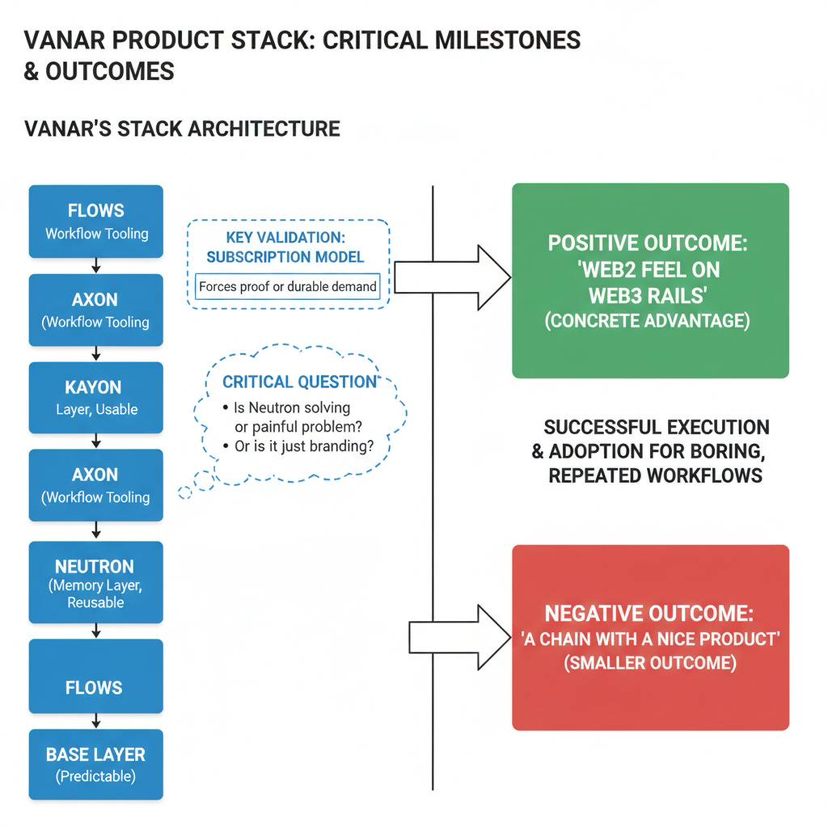
Vanar’s technical architecture embodies systematic comprehensive optimization for consumer brand operational imperatives that previous blockchain platforms addressed superficially or ignored completely. Transaction confirmation achieving absolute finality within two to three seconds directly addresses the non-negotiable consumer expectation for instantaneous digital responsiveness conditioned through decades of interaction with exceptionally polished applications. This aggressive performance target wasn’t derived through competitive analysis of other blockchain platforms but rather from deep understanding of consumer psychology fundamentally shaped by experiences with world-class digital products. When consumers interact with brand touchpoints, they expect immediate unambiguous confirmation that actions registered successfully. Delays measuring even several seconds generate powerful perceptions of technical malfunction, creating negative brand associations that consumer companies cannot tolerate when customer acquisition costs are substantial and competitive switching friction is minimal.
Network capacity engineering specifically targets the characteristically volatile unpredictable traffic patterns defining consumer marketing campaigns rather than optimizing for steady-state throughput under controlled conditions. Marketing initiatives inherently generate wildly fluctuating demand with dramatic swings between baseline activity and explosive spikes when campaigns achieve viral amplification or limited releases create concentrated simultaneous demand. A social media post gaining unexpected traction might drive traffic surges exceeding normal volumes by fifty or one hundred times within minutes. Product launches for highly anticipated items create massive concurrent demand as customers rush to claim scarce inventory. Traditional blockchain platforms consistently fail catastrophically under these realistic conditions, experiencing severe congestion and exponentially escalating fees precisely when brands most desperately need flawless infrastructure performance. Vanar deliberately engineered substantial overcapacity margins specifically anticipating the intensely bursty demand signatures characterizing real-world consumer applications.
Fee economic structures reflect sophisticated understanding that consumer applications operate on radically different unit economics than financial protocols or cryptocurrency platforms. Decentralized finance participants might rationally tolerate multi-dollar transaction fees because operations transfer substantial value making percentage costs acceptable. Consumer brands serving mass-market audiences cannot justify any economically meaningful per-transaction expense when interactions involve claiming modest rewards, trading collectibles with limited monetary value, or participating in engagement campaigns where any friction directly reduces participation. Vanar’s architectural decisions systematically reduce transaction fees to levels where they completely vanish from both brand economics and consumer awareness, enabling business models structurally impossible on platforms where transaction costs remain significant relative to value being created or exchanged.
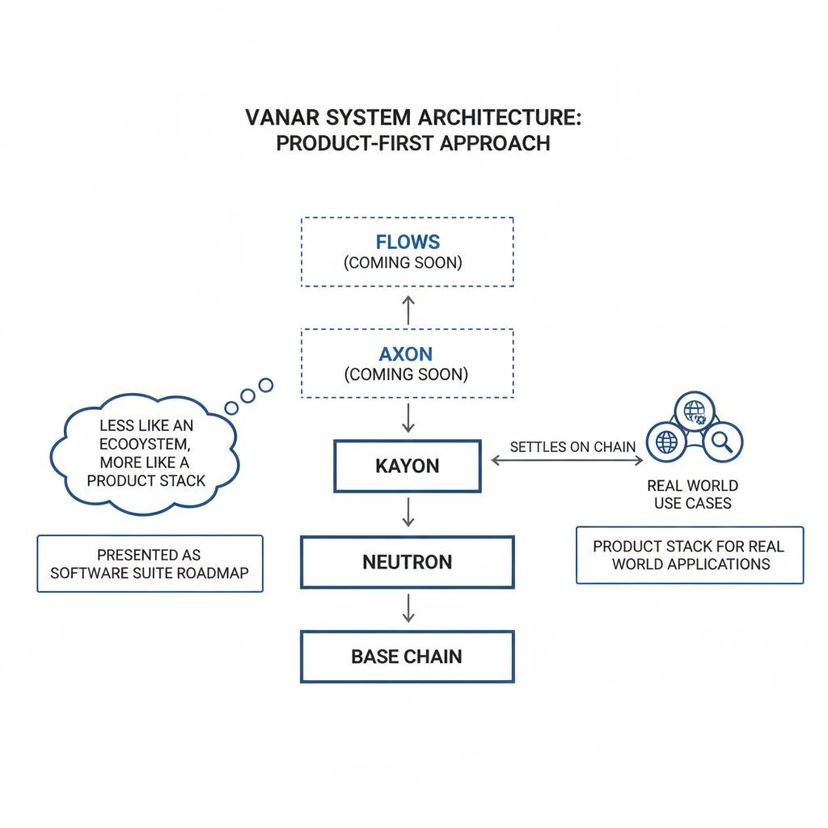
The strategic integration with Google Cloud infrastructure demonstrates Vanar’s nuanced understanding of enterprise technology adoption psychology that technically-focused platforms consistently overlook. Major consumer brands operate massive digital infrastructure on Google Cloud, with IT organizations possessing deep expertise on those platforms and operational procedures built entirely around them. Security frameworks, compliance processes, disaster recovery protocols, and monitoring systems all assume Google Cloud foundations. By building natively on Google Cloud rather than requiring separate infrastructure management, Vanar eliminates enormous organizational friction. Technology evaluators aren’t confronting unfamiliar systems requiring new expertise and operational frameworks. They’re examining blockchain capabilities layered on infrastructure they already operate confidently, creating immediate familiarity that dramatically accelerates approval timelines and reduces perceived implementation risk.
Environmental sustainability credentials architecturally embedded throughout Vanar’s infrastructure address corporate responsibilities that have evolved from peripheral considerations into central strategic imperatives. Corporate boards now routinely scrutinize technology decisions through environmental impact lenses. Marketing organizations face intense pressure from consumers and investors around authentic sustainability commitments. Procurement processes incorporate comprehensive carbon footprint analysis into vendor evaluation. Vanar’s complete carbon neutrality provides rigorously verified environmental credentials designed to withstand detailed enterprise due diligence, allowing internal conversations to focus on business value rather than environmental defense.
Partnership development strategy exhibits organizational discipline in prioritizing substantive implementation depth over superficial relationship breadth optimized for announcements. Each brand collaboration represents genuine production deployment where blockchain delivers quantifiable business outcomes and measurable engagement improvements rather than experimental pilots generating publicity without operational substance. Luxury brand presence carries exceptional strategic significance because these organizations apply extraordinarily rigorous evaluation processes before selecting technology partners, examining technical robustness, security frameworks, business continuity planning, and long-term platform sustainability with scrutiny exceeding typical vendor assessment. Their decision to build on Vanar validates enterprise readiness far more convincingly than partnerships with crypto startups could achieve.
Developer experience investments acknowledge that practical adoption depends on implementation being achievable for brand technology teams without specialized blockchain expertise. Most enterprise IT departments maintain strong conventional development capabilities but lack deep blockchain knowledge. Vanar’s comprehensive tooling abstracts technical complexity, enabling implementation of ownership systems, marketplace functionality, and engagement features through familiar development patterns and standard APIs. This accessibility expands the potential builder community from blockchain specialists to the vastly larger pool of conventional technology talent brands currently employ.
The VANRY token establishes economic coordination mechanisms aligning diverse ecosystem participants including validators securing infrastructure, brands deploying applications, and community members participating in governance. Validators stake substantial capital to participate in consensus, creating powerful economic incentives toward reliable operation while facing meaningful financial penalties for poor performance or malicious behavior. Transaction fees generate utilization-driven demand correlating with network activity as brand applications serving substantial consumer populations create meaningful aggregate consumption. Governance structures enable community participation in platform evolution while recognizing that enterprises require operational predictability and stable roadmaps for strategic planning spanning multiple years.
Looking forward, Vanar’s success depends on whether blockchain capabilities transition from experimental novelties into standard elements embedded throughout consumer brand strategies. The platform positions for a future where Web3 integration becomes unremarkable because underlying infrastructure works so reliably that blockchain stops being treated as special technology requiring unique consideration. Success means blockchain mattering progressively more to consumer experiences while simultaneously demanding less conscious attention, enabling genuinely transformative capabilities impossible with traditional technology through infrastructure feeling natural to implement and remaining invisible during use. Whether that vision materializes at meaningful scale depends on continued execution excellence and market acceptance, but Vanar’s strategic foundation reflects sophisticated understanding of the complex journey from experimental technology to mainstream consumer infrastructure reliably powering next-generation brand experiences serving billions globally.
