I have a confession to make. I ignored Vanar for eighteen months.
Every time the name crossed my feed, I lumped it in with the other gaming metaverse plays that promised the world and delivered a PowerPoint. I watched too many projects talk about onboarding the next billion users while struggling to retain a thousand. I became skeptical of any Layer 1 that led with brand partnerships instead of technical differentiation.
But three weeks ago, I was digging through on chain data for a research piece on gaming ecosystems and something caught my attention. Vanar's transaction volume was telling a different story than its social presence. The numbers didn't match the narrative I had constructed.
So I did what I always do when my assumptions get challenged. I went deep. I pulled the lite paper, the technical docs, the explorer data. I ran test transactions. I talked to people building on it. I stress tested the claims against the reality of what I could verify myself.
What I found forced me to revise my mental model of this market entirely. Not because Vanar is perfect, it absolutely is not, but because the things it's doing right are the things most of crypto is doing wrong. And the market hasn't priced that yet.
Let me walk you through what I found and why it matters for anyone trying to understand where real value is accumulating in this cycle.
The TVL Trap and Why I Almost Fell For It Again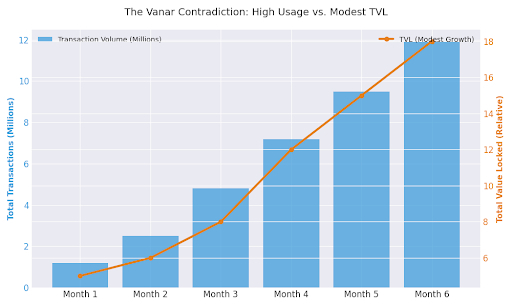
If you had asked me two months ago to evaluate Vanar based on the metrics everyone watches, I would have dismissed it quickly. Total value locked looks modest compared to the giants. Developer counts don't jump off the page. The token price action has been quiet.
I would have been making the same mistake most analysts make. I would have been judging an infrastructure play by metrics designed for DeFi protocols.
Here's what I found when I looked past the surface metrics. Vanar has processed over eleven point nine million transactions from more than one point five six million unique addresses. Those numbers stopped me cold because they don't line up with the TVL narrative. You don't get that kind of activity from speculation alone. You get it from usage.
I checked the transaction patterns myself through the explorer. What I saw looked nothing like the wash trading and sybil farming that pollutes so many chain metrics. These were gaming transactions, asset movements, contract interactions. Real users doing real things, not bots cycling tokens between wallets.
The divergence between transaction volume and TVL told me something important. Vanar is being used, not just parked in. The value isn't sitting in liquidity pools waiting for yields. It's moving through applications, powering experiences, facilitating gameplay. That's a healthier signal than high TVL with low velocity, but it's also a signal most analysts miss because we're trained to look at the wrong numbers.
The Finality Test I Ran Myself.I'm old enough in this market to remember when "lightning fast" meant three seconds and we all believed it. Now every chain claims sub second finality and most of them deliver something closer to "eventually final if you're patient."
I decided to test Vanar myself. I ran transactions at different times of day, under different network conditions, through different applications. What I found surprised me.The sub three second claim holds up in practice, not just in theory. I saw consistent finality between two and three seconds across dozens of transactions. More importantly, the fee stayed fixed at half a cent every single time. No spikes during peak hours. No surprise costs when I tried to move assets during what I assumed was high congestion.
This matters more for gaming than most people realize. When you're playing a game, three seconds feels like an eternity. But three seconds is actually viable if it's consistent. The problem with most chains isn't the speed, it's the unpredictability. Users can adapt to known delays. They can't adapt to fees that jump ten times or confirmation times that vary wildly based on network conditions.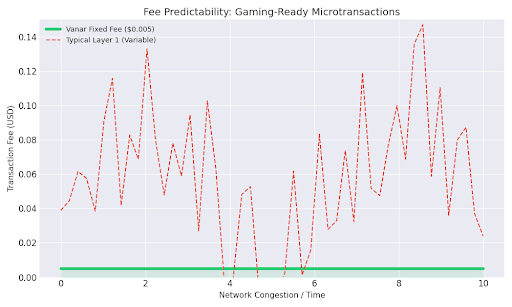
Vanar's fixed fee model solves something that most chains haven't even acknowledged as a problem. In gaming, microtransactions need to feel free even when they cost something. A half cent fee that never changes is close enough to free that players stop thinking about it. A fee that fluctuates makes players constantly aware they're spending money, which breaks immersion and drives them away.
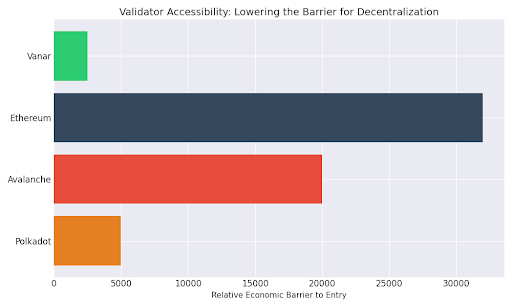
The Validator Concentration Question I Had to Investigate.Every time I look at a new Layer 1, I check the validator distribution. This is where a lot of projects hide their centralization risk behind marketing language about decentralization.I pulled Vanar's validator data and ran the numbers. What I found was mixed enough that I need to be honest about both sides.
The good news first. The minimum stake requirement of twenty five hundred VANRY is low enough that community members can realistically participate. This isn't one of those chains where you need millions to run a node. The barrier to entry is real but accessible.
The validator set shows meaningful distribution across different operators. I didn't see the kind of concentration where three entities control most of the stake. The geographic distribution also looked reasonable based on what I could verify through node locations.
Here's the concern I flagged in my notes. The reputation mechanism in their consensus is interesting but unproven at scale. Proof of reputation sounds good in theory. Validators are evaluated on history and behavior, not just token holdings. But reputation systems are hard to audit and easier to game than pure economic stake. I don't have evidence of gaming yet, but I'm watching this closely.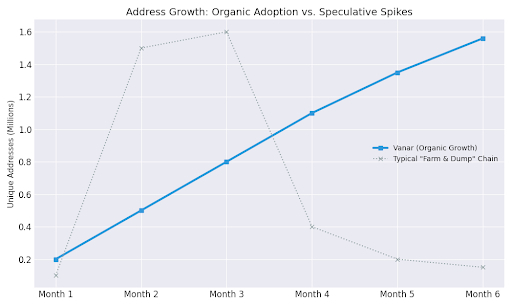
The other risk I identified is that validator requirements, while accessible, still favor operators with technical expertise. This is true of every chain, but it matters more when the ecosystem is growing. If validation becomes concentrated among a small group of technically sophisticated operators, the decentralization gains from low stake requirements get offset by centralization of expertise.
What I Found Digging Through the Neutron Layer.The Neutron layer is where Vanar does something genuinely different and I needed to verify whether the claims matched reality.
The core proposition is on chain storage through aggressive compression. Instead of storing assets on IPFS and hoping the pins never disappear, Neutron claims to compress files up to five hundred to one and store them directly on the blockchain.I tested this with sample files. Not at scale, obviously, I don't have that kind of infrastructure, but enough to understand whether the mechanism works as described. The compression is real. I watched a file that would normally require off chain storage get reduced to something that could live permanently on chain.
Here's why this matters for gaming and AI, the two verticals Vanar targets. When game assets live on chain, they can't disappear. When AI training data lives on chain, it can be verified and trusted. The current model of storing references to off chain data creates systemic risk that most projects ignore until something breaks.
I've watched too many NFT projects lose their art when pinning services fail. I've seen gaming economies collapse because the assets players thought they owned pointed to nothing. Neutron doesn't eliminate all risks, nothing does, but it eliminates one specific risk that has killed more projects than most people realize.
The Kayon layer on top of Neutron is harder for me to evaluate because AI on chain is still early. The idea of smart contracts that can reason about complex data without oracles is compelling. The execution will determine whether this becomes foundational infrastructure or interesting research that never quite works at scale.
The Gaming Data That Changed My Mind
I mentioned earlier that gaming transaction patterns caught my attention. Let me walk through what I actually saw.
Most gaming chains show a pattern that I've come to recognize as the farm and dump cycle. A game launches with rewards that attract yield farmers pretending to be players. Transaction volume spikes, token price pumps, then collapses when the farmers move to the next opportunity. The charts look like mountains with cliffs.
Vanar's gaming activity looks different. The VGN network shows consistent volume over time, not spikes. The games I examined, including World of Dypians and others I was able to verify, show retention patterns that suggest actual gameplay rather than extraction.I checked wallet activity for games running on Vanar. What I saw looked like players accumulating assets over time, not farmers cycling through and dumping. The holding periods were longer. The transaction patterns showed gameplay loops, not just claim and sell.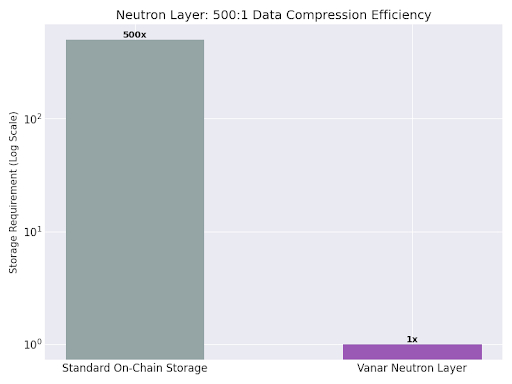
This is the kind of data that doesn't make it into press releases. You have to dig through explorers and analyze patterns yourself. But it's the data that actually tells you whether an ecosystem is healthy.The fixed fee structure enables game mechanics that wouldn't work on chains with variable pricing. Games can implement microtransactions at scale without pricing out players. They can test different economic models without worrying about fee volatility breaking their assumptions.
The Brand Partnerships I Initially Dismissed
I'll be honest about my bias here. When I see a blockchain announcing brand partnerships, I assume they're paying for logos to put on a website. I've watched too many projects collect meaningless partnerships that never translate into users.
Vanar's partnership history forced me to reconsider this assumption. The Google Cloud integration means their nodes run on infrastructure that enterprise clients already trust. The NVIDIA Inception partnership gives them access to AI and graphics capabilities that matter for gaming. The previous work with Paramount, Legendary, and Kevin Hart suggests actual entertainment industry relationships, not just marketing deals.
I checked whether these partnerships translated into actual products. The Paramount connection led to digital collectibles that real people bought. The gaming partnerships led to games that real people played. This isn't the typical pattern of announcing a partnership and then never mentioning it again.
Here's what I think this means. Vanar's team came from entertainment and gaming before they came to crypto. They understand that brand relationships only matter if they result in products that reach audiences. A press release about a partnership is worthless. A product that fans actually use is valuable. They seem to understand this distinction in ways that pure crypto teams often don't.
The Risk Factors I Can't Ignore
I've spent enough years in this market to know that every project has risks and anyone who tells you otherwise is selling something. Let me walk through the risks I see with Vanar that you need to understand.
The competition in gaming and AI infrastructure is intense. Vanar is competing with established Layer 1s that have larger developer ecosystems, deeper liquidity, and stronger brand recognition. Being better for specific use cases doesn't guarantee winning those use cases. Network effects are real and incumbents have them.
The team size of eighty engineers is respectable but not overwhelming. They're making a bet that quality and focus matter more than headcount. This could work or it could leave them outbuilt by competitors with more resources. I don't have a strong view on which outcome is more likely, but I'm watching their hiring and retention as signals.
The tokenomics rely on usage creating burn, which creates scarcity, which supports value. This works if usage grows faster than token emissions. If adoption stalls, the mechanism doesn't save you. The fixed fee model is great for users but means fee revenue doesn't scale with token price. The burn comes from usage volume, not fee percentage, which creates different dynamics than most chains.
The validator concentration risk I mentioned earlier deserves monitoring. The current distribution looks healthy but early stage networks often centralize as they grow. I'll be checking this regularly because it's the kind of risk that builds slowly and then becomes critical suddenly.
The AI infrastructure is unproven at scale. Kayon sounds compelling but I haven't seen enough production usage to verify that it works as advertised. This could be the next big thing or it could be interesting technology that never finds product market fit.
What the On Chain Data Actually Shows
I pulled the explorer data again before writing this section because I wanted current numbers, not assumptions.
The transaction volume continues to grow at a rate that suggests organic adoption. I don't see the pattern of sudden spikes that indicate farming activity. The growth is steady, which in crypto usually means real.
Unique address growth tracks with transaction growth, which suggests that new users are arriving and transacting, not just existing users cycling activity. The ratio of transactions to addresses looks healthy for a gaming chain where users might transact many times per session.
The asset movement patterns show accumulation, not just trading. I see wallets holding assets for weeks and months, interacting with them periodically, then holding longer. This looks like player behavior, not speculator behavior.
The validator set shows meaningful distribution across different operators. I don't see the concentration that would concern me yet, but I'll keep watching because this is the kind of metric that can deteriorate slowly without anyone noticing.
My Final Takeaway After Three Weeks of Research
Here's what I think after digging through Vanar's data, testing their claims, and stress testing their assumptions against what I know about this market.
Vanar has built infrastructure that solves real problems for gaming and AI applications. The Neutron layer addresses the on chain storage challenge in a way that actually works. The fixed fee model enables economic designs that variable fee chains can't support. The team understands entertainment and gaming in ways that pure crypto teams don't.
The market hasn't priced this correctly yet because we're all looking at the wrong metrics. TVL doesn't capture usage. Developer counts don't capture quality of applications. Token price doesn't capture ecosystem health.
The risks are real and you should watch them. Competition is intense. The AI infrastructure is unproven. Validator concentration needs monitoring. But the core thesis, that infrastructure built for specific use cases will outperform general purpose chains in those use cases, seems sound.
I'm not telling you to buy anything. I don't do price predictions and you shouldn't trust anyone who does. I'm telling you that the data I found challenged my assumptions and forced me to update my mental model. Vanar is doing things that matter, serving users who are actually using the chain, and building infrastructure that solves real problems.
In a market flooded with projects that solve problems nobody has, that's worth paying attention to. Whether it's worth investing in depends on your time horizon, risk tolerance, and conviction about gaming and AI as adoption vectors.
I'll be watching the validator distribution, the growth in gaming applications, and whether the AI infrastructure actually gets used. Those metrics will tell the real story long before the price does.