

I am @Zenobia-Rox The incident report started the way they usually do: nothing flashy. Just a mismatch during reconciliation at 2 a.m., a permissions table that didn’t match up with a vendor’s workflow, a compliance person asking if a client allocation ever should’ve been visible outside a closed group. No hacks. No drama. Just that slow, sinking feeling you get when you realize: in real businesses, showing data to the wrong people isn’t a feature. It’s a problem.
There’s this trendy idea floating around—that a ledger should spill everything, all the time. Radical transparency as the same thing as integrity. Sure, it sounds great at a conference. But try saying that in a payroll meeting, or when you’re sitting with employment lawyers, or when a regulator asks why sensitive counterparty info was basically pasted to a public wall for competitors to gawk at.
Privacy isn’t optional. It’s often the law. Auditability? Also non-negotiable. These two things have to exist together, even if some purists would rather pretend otherwise.
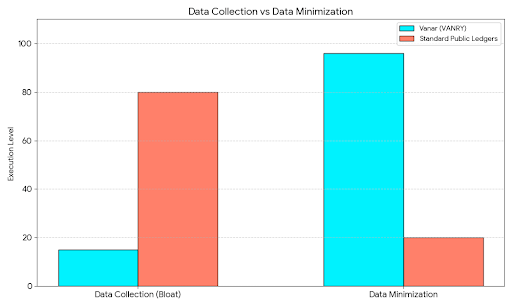
Vanar doesn’t make a big fuss about this. The idea behind #Vanar isn’t going to blow up on Twitter, but it would absolutely get a nod from a risk committee: enforce confidentiality. Show people what they’re allowed to see. Prove the rest is right. Don’t leak what you don’t have to.
Picture a typical audit. There’s a sealed folder on the table. The auditor doesn’t tape every page to the lobby wall just to prove honesty. Instead, they follow a process. They check controls. They reconcile hashes. They look at access logs. Only the right people open the right pages. The integrity of the system is established without turning every detail into public spectacle. That’s not secrecy for its own sake. That’s just good governance.
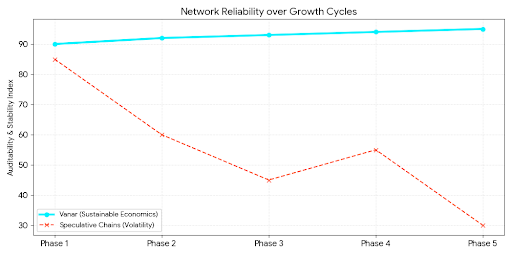
Vanar Chain is built with this basic human reality in mind. It’s got modular execution environments running on a conservative, intentionally unexciting settlement layer. Apps can change, verticals can specialize, products can evolve—all without shaking up the foundation that actually records value and finality. Settlement should be boring. Boring is predictable. Predictable stands up in front of auditors and regulators.
EVM compatibility? It’s not about showing off. It’s about reducing friction. Existing tools, Solidity habits, established audit routines, tried-and-true pipelines—all of that matters. These aren’t buzzwords; they’re ways to keep costs down, to lower implementation risk, to let teams use what they already know works. You don’t have to burn the house down just to build something new.
The push for real-world adoption isn’t just a catchphrase. The team behind Vanar has worked in games, entertainment, brands, consumer tech—stuff like Virtua Metaverse and VGN games network. These aren’t test labs. They’re regulated spaces with contracts, IP, revenue sharing, and real consumer protections. If you want to bring the next wave of users on chain, you don’t focus on hype. You focus on things like lifecycle controls, tokenized real-world assets, and rails that can actually survive MiCAR-level scrutiny.
$VANRY sits at the heart of all this, fueling execution and tying security together. Staking isn’t just about rewards—it’s about responsibility. Skin in the game. Validators and participants aren’t faceless nodes; they’re people whose incentives need to match the network’s long-term health. Slow emissions aren’t about drumming up short-term excitement. They’re about patience. About building trust, not faking it.
LITS SEE 🙈
And none of this eliminates risk. Bridges and migrations from ERC-20 or BEP-20 to native assets? Big chokepoints. Trust gets concentrated. Software and operations get more fragile. Audits miss things. People make mistakes. In distributed systems, trust doesn’t fail gently—it snaps. One mistake at the boundary, and you get a cascade of problems that no white paper can fix.
Admitting that fragility is part of being grown-up about this stuff. So is building for it. Dual controls. Migration playbooks. Clear disclosures. Audit trails that only the right people can see.
In traditional finance, confidentiality protects payroll, client allocations, merger talks, insider risk. It keeps markets fair. Too much transparency here isn’t virtuous—it’s dangerous. Leaking employment actions or corporate strategies isn’t openness. It’s just damage.
A ledger that knows when to keep quiet isn’t hiding anything shady. It’s just playing by the rules, inside the frameworks that give it legitimacy. Selective disclosure isn’t selective truth. It’s cryptographic