
Right now, FOGO is still very early. It’s trading in the low cent range, and daily volume is there but nothing close to established Layer 1 chains. And honestly, that’s not a bad thing. It just tells you where we are. This isn’t a mature ecosystem. It’s still laying its foundation.
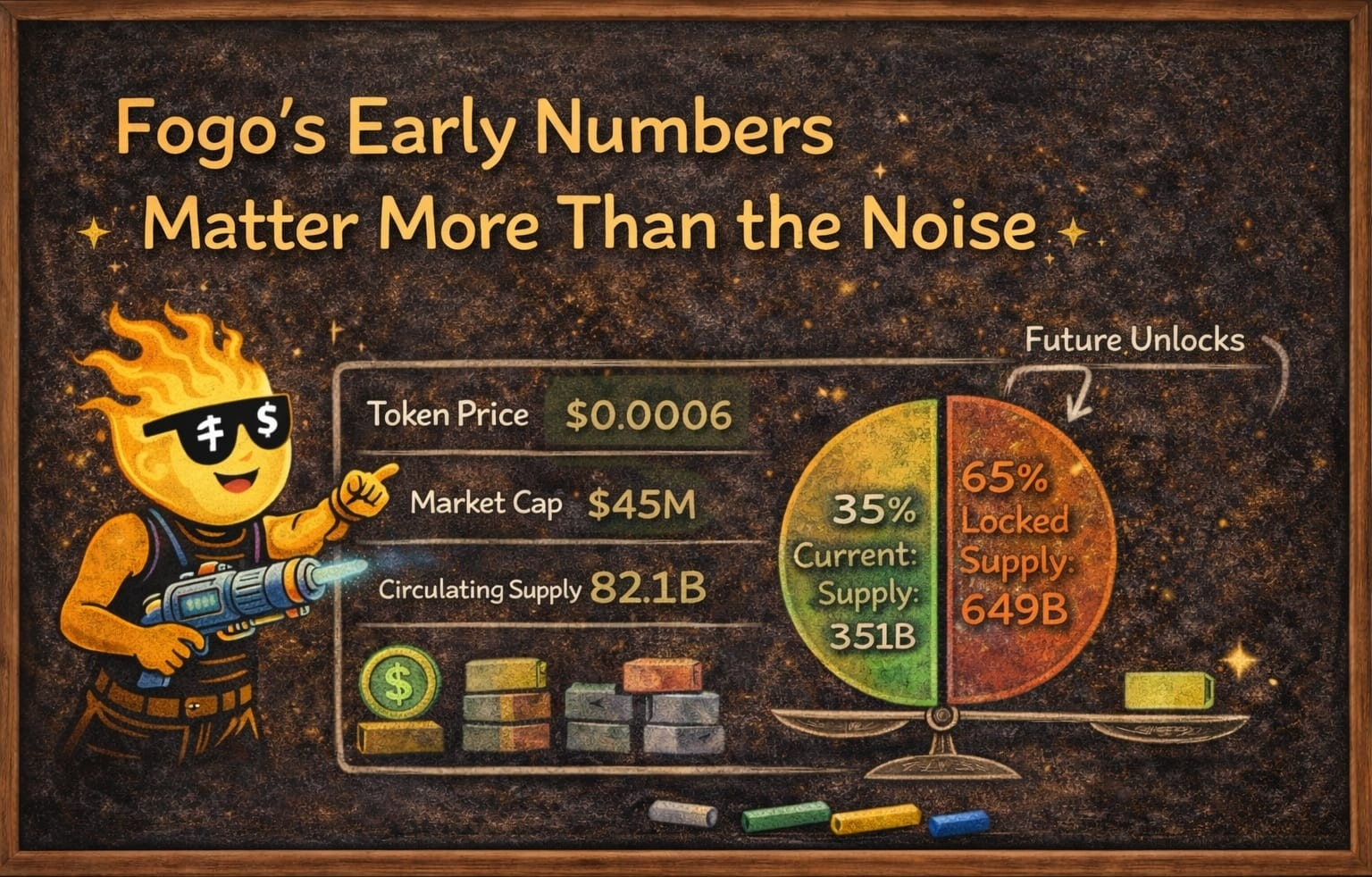
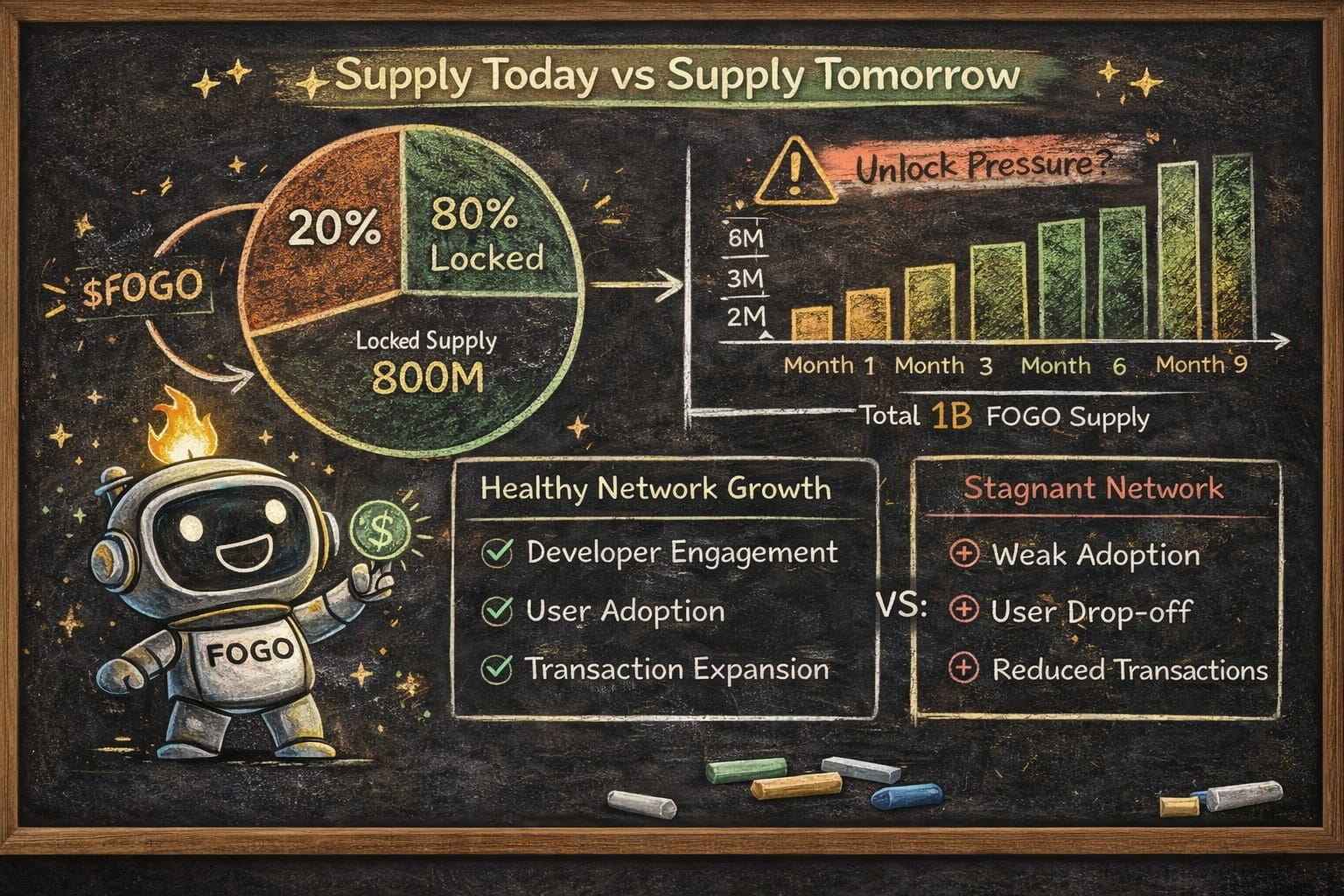
One thing I always look at early is supply structure. Only part of the total supply is circulating right now. The rest will unlock gradually over time. That matters more than people think. If network activity grows alongside those unlocks, no problem. But if adoption slows while supply increases, that can create pressure.
A lot of traders ignore tokenomics when price is moving fast. But over time, supply always catches up with the narrative.
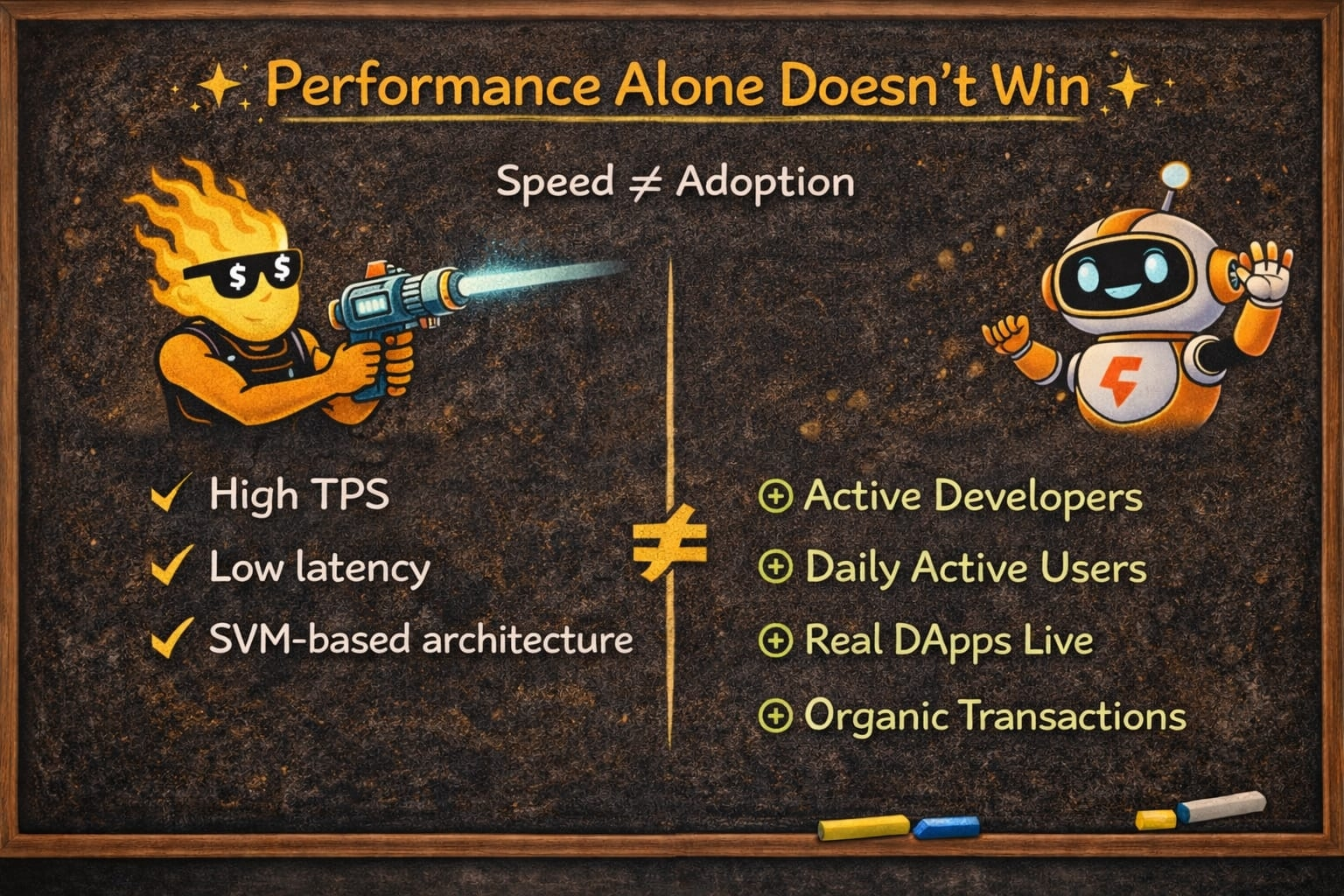
On the tech side, #fogo is built around a high-performance setup using the Solana Virtual Machine model. In simple terms, it’s aiming to be a performance-focused Layer 1 that can handle heavy on-chain activity efficiently. That sounds great on paper. But speed alone doesn’t win anymore.
We’ve seen plenty of fast chains launch with impressive numbers. What really decides long-term success is usage. Are developers actually building? Are users interacting consistently? Is transaction activity organic, or is it mostly incentive-driven?
That’s where things get interesting.
Right now, Fogo looks like it’s pushing toward ecosystem growth, but it’s still in the proving phase. That’s not criticism. It’s just how infrastructure plays work. They don’t explode overnight unless pure speculation takes over.
From an investment perspective, @Fogo Official ’s future really comes down to adoption. If developer activity increases and real applications attract sticky users, demand can grow naturally. If that doesn’t happen, price will probably follow broader market sentiment instead of internal fundamentals.
And then there’s competition.
Fogo isn’t building in isolation. It’s stepping into a space filled with chains that already have liquidity, tooling, and strong developer communities. Getting builders to choose a newer network isn’t easy. It requires real support, strong documentation, and incentives that don’t disappear once launch hype fades.
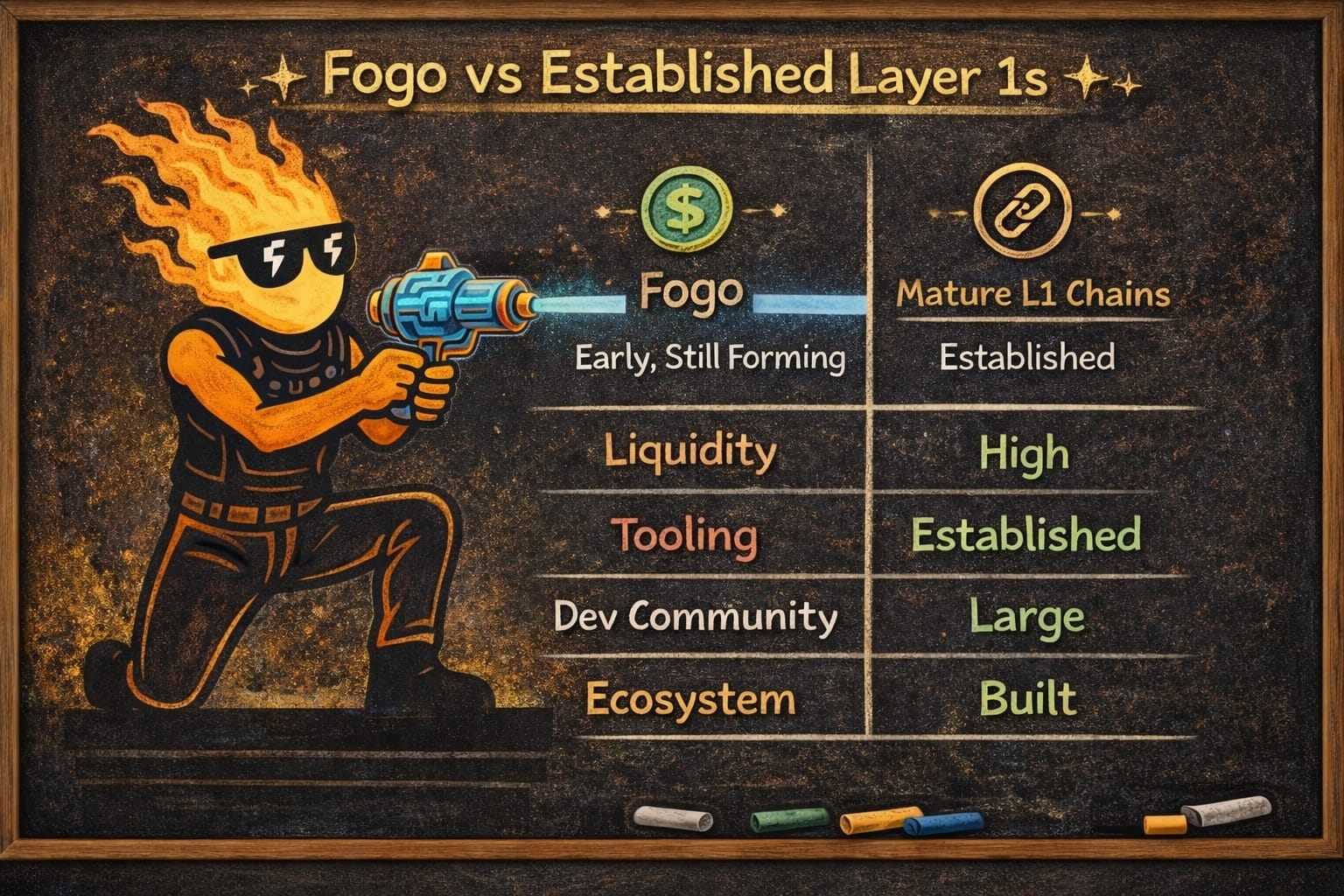
That’s the real challenge.
Still, early-stage infrastructure plays can offer asymmetric upside when execution matches ambition. If Fogo can stay reliable while steadily expanding its ecosystem, it could position itself as more than just another cycle token.
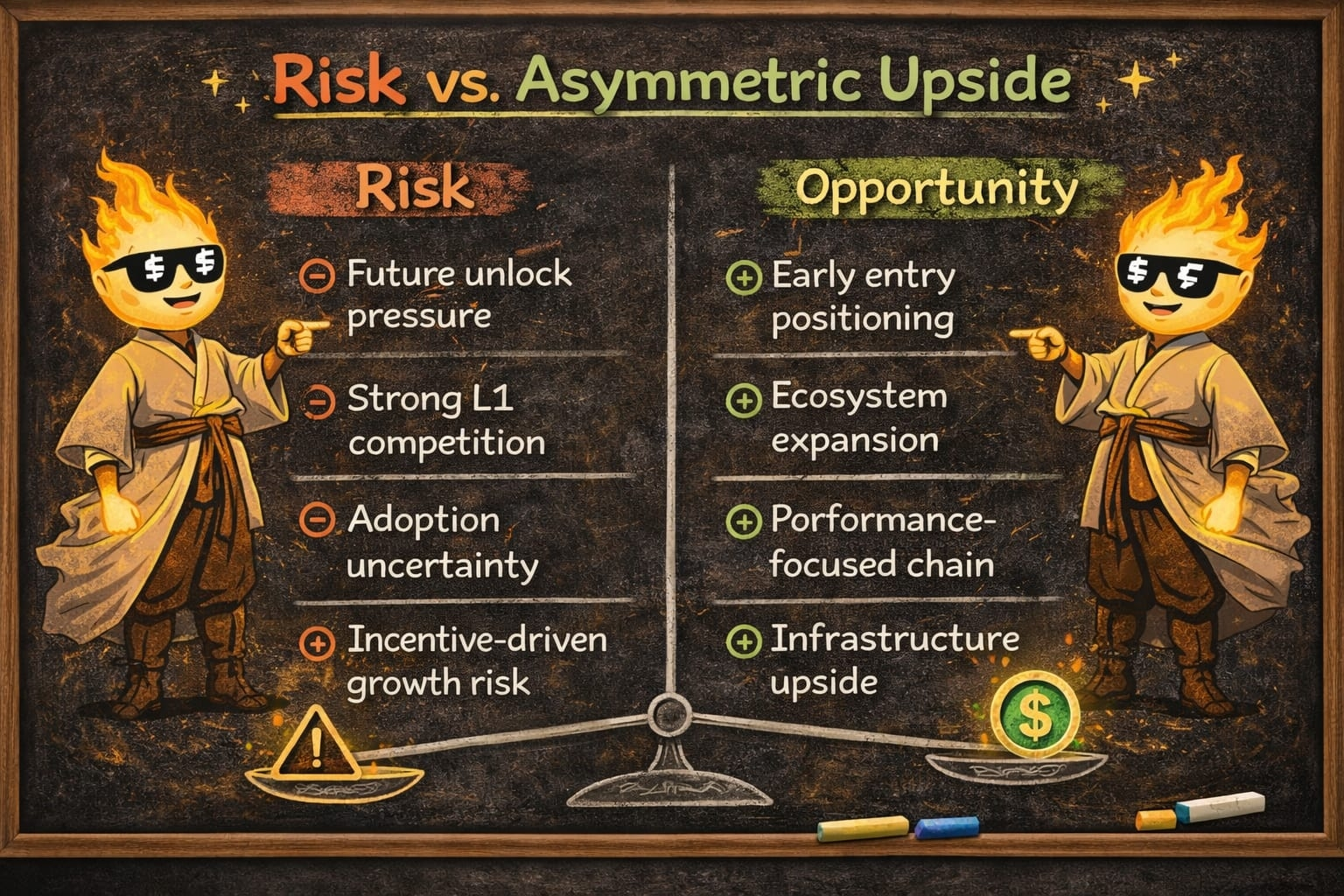
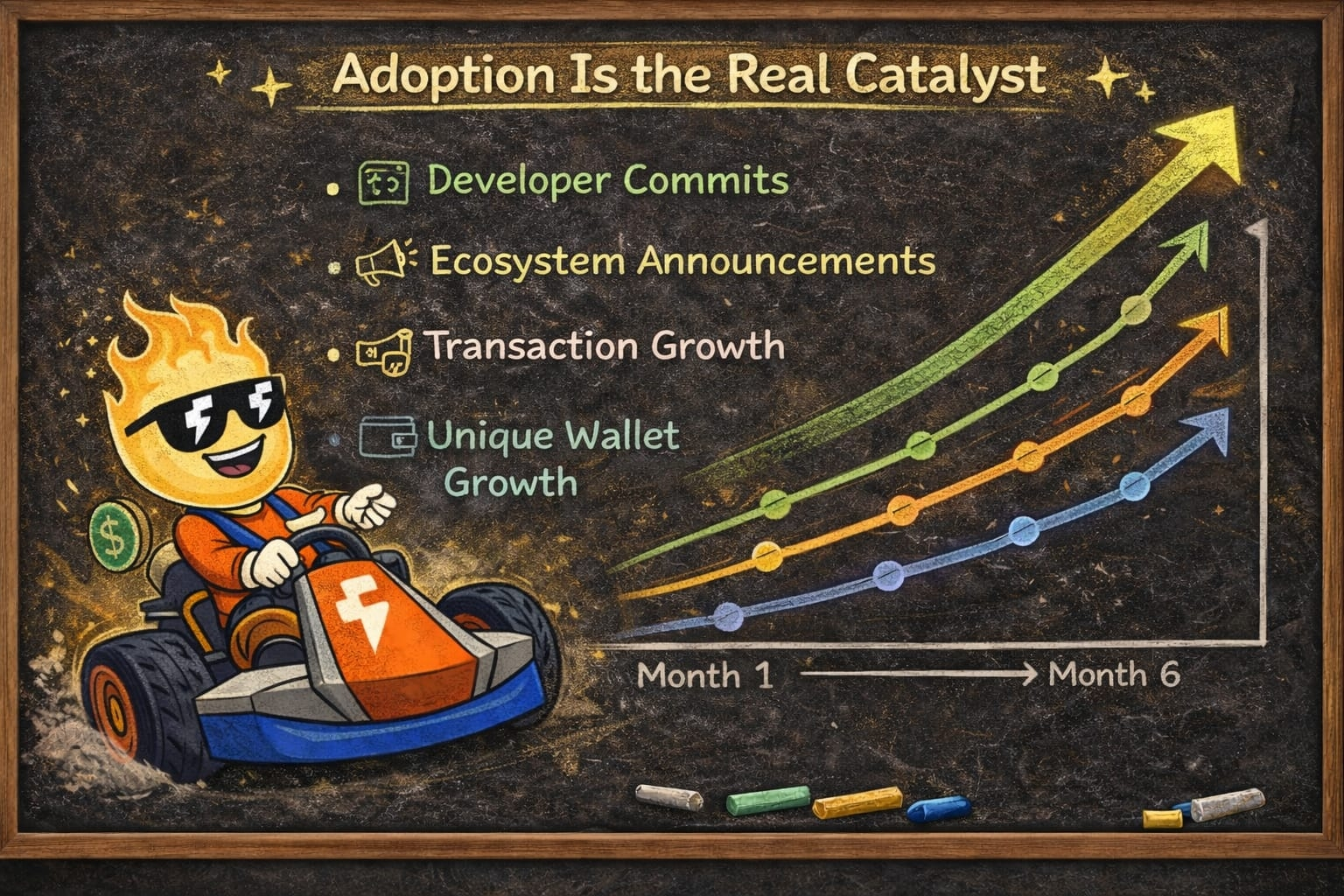
Personally, I’m not watching $FOGO for short-term volatility. I’m watching network metrics. Developer commits. Ecosystem announcements. Transaction trends. Those signals usually show up before price reacts. It’s early. There’s risk. There’s serious competition.
But there’s also room to grow if the team executes consistently. Sometimes the projects that don’t shout the loudest are the ones quietly building something real.
